Chronic pain, especially psychotic rational pain (np), not only interferes with sleep, but also reduces the ability to work and to live in daily life. As a type of pain caused by sensory system impairment or disease, np often adds to the pain。
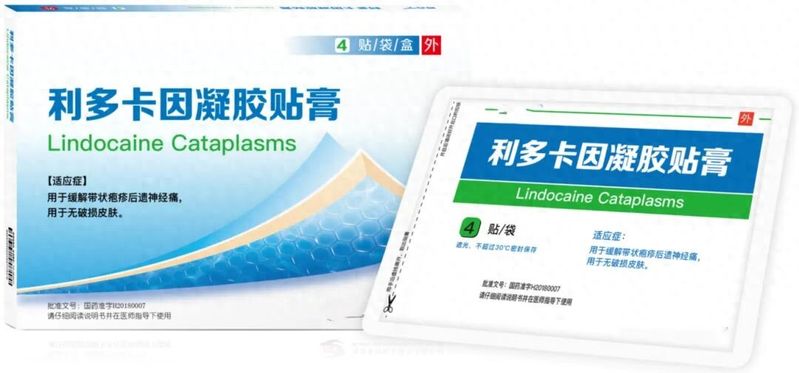
In clinically, oral medications are commonly used to mitigate the np. While these drugs can alleviate pain to some extent, the way in which the whole body is given is often accompanied by more visible adverse effects that limit the viability of their long-term use. The lidoca, on the other hand, is gradually favoured by the clinicians because of the low doses of exposure to local exteriors, which are significant and safe。
In the consensus of experts for rational pain treatment for neuropsychiatric disorders around the 2020 edition, 5 per cent of lydocaine stickers and gels were also recommended as first-line treatments for phn and post-traumatic nps。
Pharmacological effects
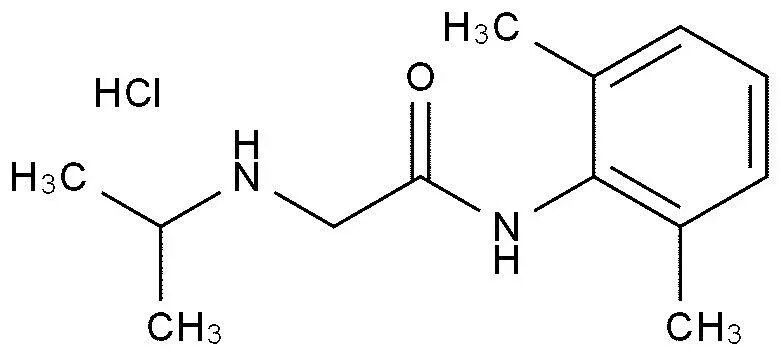
The molecular structure of lidocain
Pharmacological mechanisms
Lidoca, by virtue of its lipophilic properties, acts as a local stinger by means of a skin osmosis barrier formed from a lipid matrix, by means of a partial diffusion of sodium-blocked circuits, by inhibiting the abnormal discharge of damaged neurofibre, by blocking sodium-free melium c fibres and melium a-fibres with small impairments or abnormal functions, and by reducing the inverted discharge of painful neurofibres。
The lidocaine stickers are relatively safe and resistant. The reported application areas can have light moderate local skin red spots, rashes, itching or irritating, burning, etc., which are usually temporary and recoverable。
Clinical applications
Application in pain condition
The effect of the lidocaine sticker on psychotic rational pain is even more significant. Amato, among others, conducted an observational real-world study to observe the efficacy and safety of lidocaine outposters in limiting neuropsychiatric rationality and/or inflammatory pain, which showed lower pain intensity and pain areas for all types of pain after medication。
A single or joint programme of lidoca's exterior stickers in pain-related diseases such as neurological pain after herpes, rational pain in a diabetic surroundings, rational pain in a post-operative or post-traumatic neuropsychiatric disease, pain in the waist, pain in osteoporosis, etc. Contribute to the alleviation of pain and improve the quality of life and sleep。
Compared to other oral and local external drugs, the lidocaine adhesion has a comparable or better effect, has better tolerance and safety, has fewer adverse effects and is less costly。
2. Applications of special groups
Older patients: the prevalence of chronic pain among elderly patients, poor resistance to medication, the need for caution in the use of medications, the overall trend towards partial absorption of lidoca-based stickers with age decreases, and the dose of lidoca-based doses entering the whole cycle is lower among older patients。
A cross-section study of older phn patients (average age 70) found that 5 per cent of the lycan paste did not affect the cognitive function of the patient while reducing pain。
As a result, lidocaine has good tolerance among older patients and less drug interaction, with low adverse drug response。
Patients of children: the substance of the child is less subject to medication, while the local delivery of medication can increase acceptance and reduce the overall adverse effects, with a greater advantage in the treatment of the child's pain。
However, due to the lack of clear safety and effectiveness data and the toxic effects of accidental mucous absorption (through eyes or noses) in the use of lidoca by children in the process of exterior use, caution is required in the use of children。
(b) patients with incomplete kidneys: the deregulated function of patients with incomplete kidneys is reduced, the full-body use of drugs can have serious consequences because of the accumulation of drugs, while lidoca is less absorbed by external adhesives and has low levels of blood medicine in patients and is less likely to cause accumulation。
Concluding remarks
Lidoca's exterior stickers have a clear sedation effect in the treatment of chronic neurotic pains such as phn, dpn and other acute and chronic pain treatments. Considering that the country has entered an ageing society, that the proportion of elderly and infirm patients who combine a wide range of underlying diseases is increasing, that the health-care relationship in society as a whole is straining, and that the safety of clinical medications is becoming more demanding, and that the ledoca drug used externally has the advantage of low overall adverse effects, low drug interaction and good tolerance, the clinicians may consider the ledoca paste as part of a multi-modal treatment of acute, chronic pain。