"why did you give birth to me when you couldn't even afford three sets of exams?"
Do you remember the subject of the "three seriess of high tests" that had triggered so much discussion
Now that many students have finished their high school exams, it seems that they have entered a consumer carnival: arranging a graduation trip, changing hair, buying electronics such as mobile phones, computers, tablets, etc., and putting all kinds of spending together could easily reach tens of thousands。
It's hard to think, when did the three-score test set become what many children see as a graduation standard? Are those consumption needs not being met enough for parents


Each year after the end of the examination, there is a special period of time。
After more than a decade of hard reading, students finally had a short period of relaxation。
Some have chosen to travel with their classmates, others have purchased computer phones for university life and others have reoriented their lives in the coming years。
There's nothing wrong with giving yourself a proper reward。
After all, a higher examination is not just an examination, but carries with it the expectations and contributions of a family for many years。
In recent years, however, with the rise of social platforms, a new consumption phenomenon has gradually entered public view。
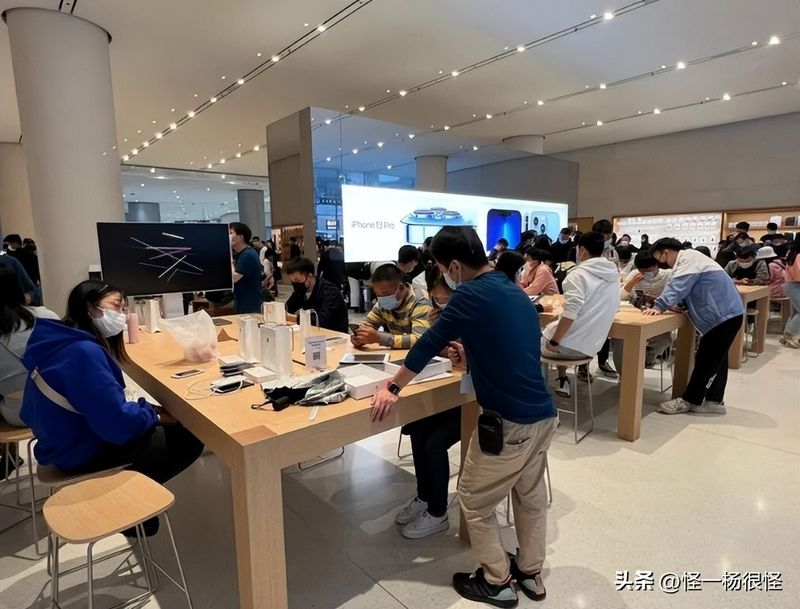
From the “three sets of high examinations” to the “systems of high examinations”, an increasing number of consumption lists around associate university students appear online。
Cell phones, computers, travels are intended to meet learning and life needs。
However, in some of the network demonstrations, these needs have gradually been packaged as an “identity upgrade”。
High-end mobile phones, multi-dollar computers, branded clothing, luxury accessories, even medical projects and luxury trips are added to what is known as “new stages of life”。
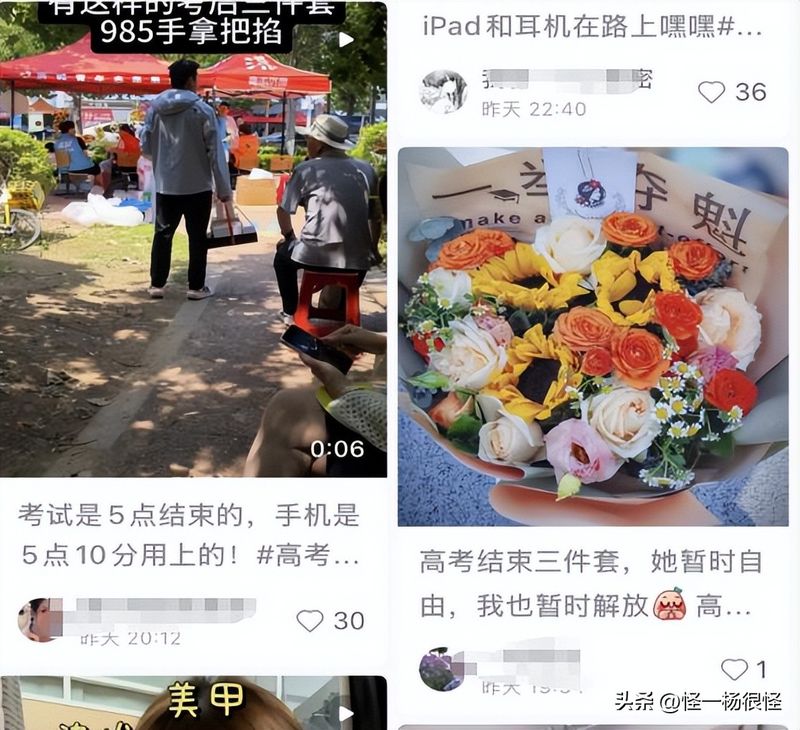
Some of the lists show that they cost tens of thousands of dollars easily。
This has put pressure on many parents and triggered social debate。
After the exams, should it be a reward or a new comparison
The answer may not be how much it costs, but the values behind consumption
The concentration of consumption periods in the group of associate university students after the end of the examination has become an obvious social phenomenon。


In the past, many families may have received a reward for their children's advanced examinations as a meal, a trip or a new dress。
Today, as the standard of living improves, household consumption capacity increases and incentives become more diversified。
A new mobile phone and a laptop have indeed become a real need for many new university students。
Electronics play an important role when entering universities, whether in professional studies, online courses or daily communication。
Therefore, the preparation of learning tools for children is in itself a reasonable input。

At the same time, post-test travel has become widespread。
After years of intense study, many students wish to relax their physical and mental health by travelling to different cities and to experience new living conditions。
Behind these consumptions is the support of families for the transition of their children。
The data show that in 2026 associate university students spent approximately $18. 6 million per person in summer。
This figure reflects the expansion of the post-graduate consumer market。

In the areas of tourism, digital products, clothing, make-up, training, etc., products are being introduced around the group of associate university students。
Businesses see consumption opportunities, and parents see important nodes in their children's lives。
Students see a new beginning, with a combination of factors that increase the heat of consumption after advanced examinations。
It should be noted, however, that per capita consumption data do not mean that each student spends the same amount。
There are significant differences between regions, different household income levels and different consumption habits。
High consumption cases are magnified by networks that can create the illusion that everyone is like this。
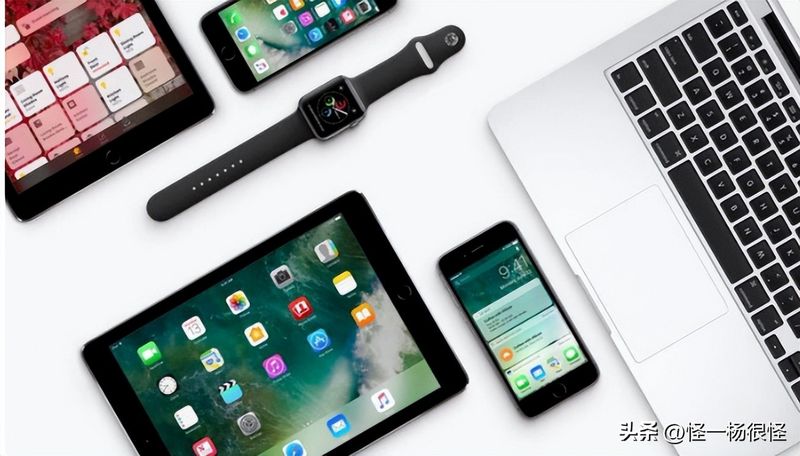
As social media developed, many consumer behaviour began to be demonstrated。
There are those who tanning their entry notices, those who share graduation travel and those who display newly purchased computer phones, which are not problematic in themselves。
However, problems begin to arise when consumer displays gradually become a comparative standard。
Some web content likes to create a hint。
It seems that after going to university, there should be more expensive equipment, higher-grade clothing and a richer consumption experience。


Without it, it's like losing on the start line, which can easily affect young students
In particular, new students who have just finished high school and are about to enter university。
They are going through life-changing identities, and in the past they have been exposed mainly to learning pressures。
In the future, they need to face life independently, and at this stage they are vulnerable to peer influence。
When people buy high-end computers, they feel they need them。
Seeing others travelling to hot cities, they think their holidays are not good enough。
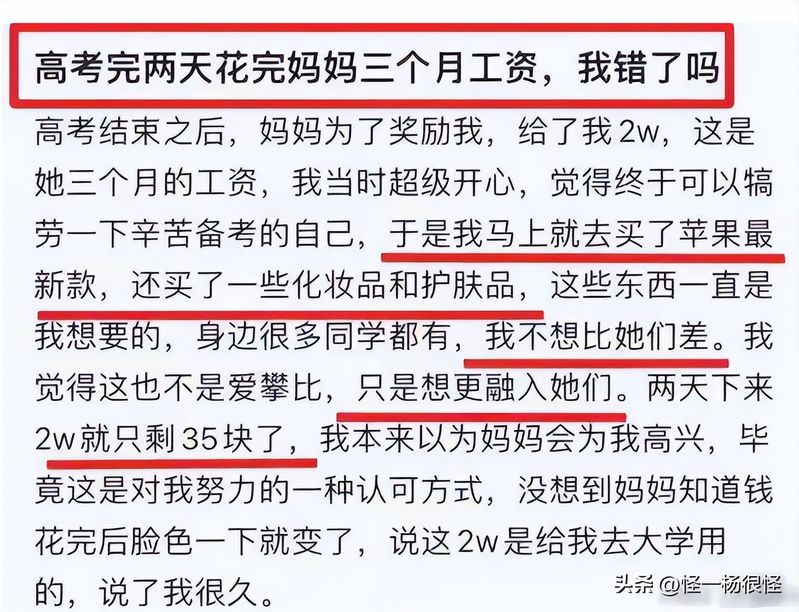
In practice, however, the quality of university life is not determined by the level of consumption。
An ordinary computer can also perform a study mission。
A simple trip can also leave a good memory。
What really affects university development is learning, self-management and social adaptation。
If, in pursuit of the so-called “programming”, households are under pressure beyond their capabilities, it is contrary to what consumption is meant。
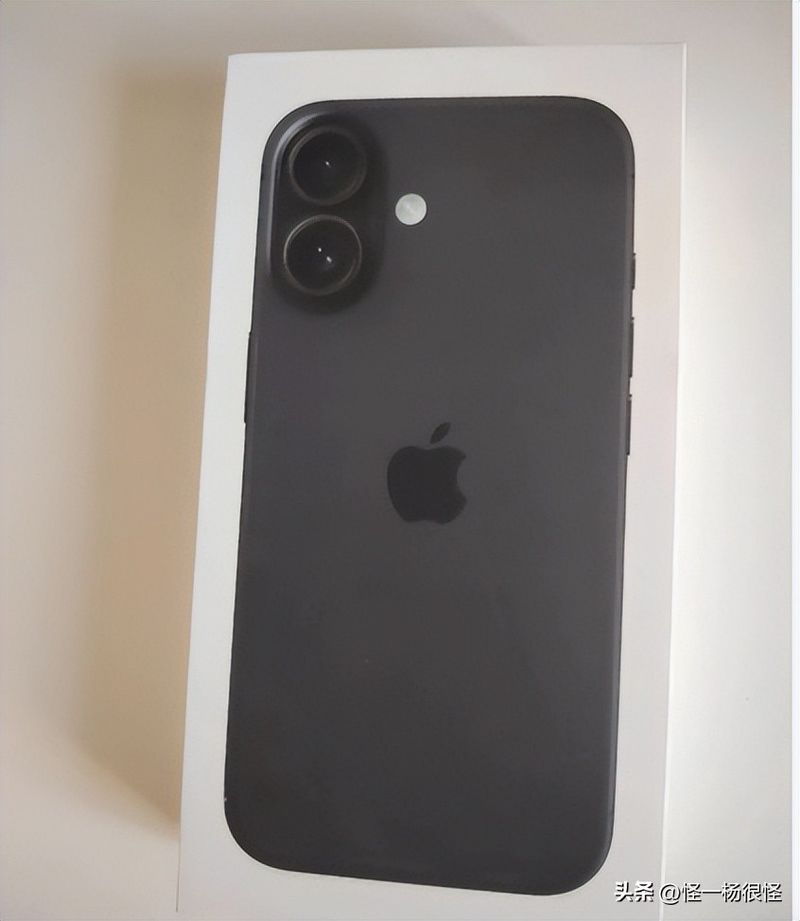
The end of the examination does not mean the end of education。
On the contrary, when they enter university, the child will face more autonomous choices。
How to spend money is an important lesson。
Many young people are in upper secondary school and the cost of living is mainly organized by parents。
They are accustomed to accepting results, but are rarely genuinely involved in family financial planning。
As a result, post-graduate consumption is in fact also an educational opportunity for financiers。
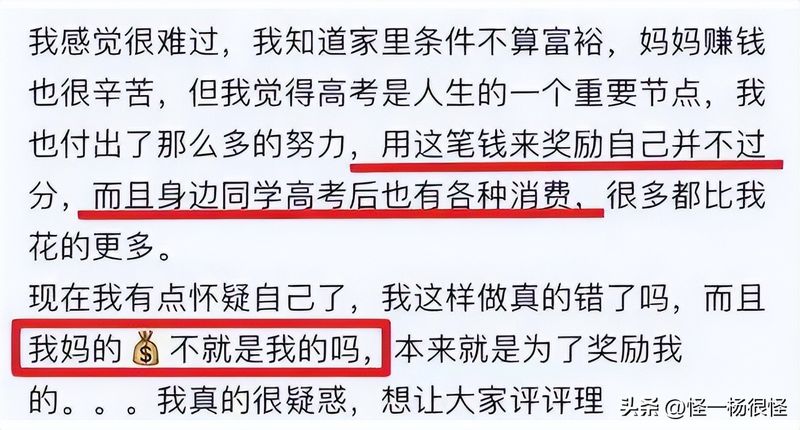
Parents can discuss budgets with their children in advance。
What are the learning necessities, what are the options for improving the quality of life, and what are short-lived impulse consumption。
Let the children understand that money is not not spent, but needs to be used rationally。
The purchase of computers, for example, is based on professional needs。
Studies in specialties such as design, programming and so forth may require higher equipment。
In contrast, general professional students do not necessarily have to pursue top-level products。


The same applies to travel, where a meaningful trip does not necessarily require expensive hotels and high consumption routes。
Knowledge of the cultures of different places and experience of new environments are in themselves harvests。
The level of consumption does not represent the level of growth, the true maturity of the person, not the person who has the most things, but the person who can manage his own desires。
At the university level, for the first time many students are away from their families。
Without a proper consumption perspective, even better economic conditions for households can lead to problems of blind consumption。
And if there is a rational sense of consumption, even a limited budget can provide a rich and fulfilling life。