First of all, what's silicate mud
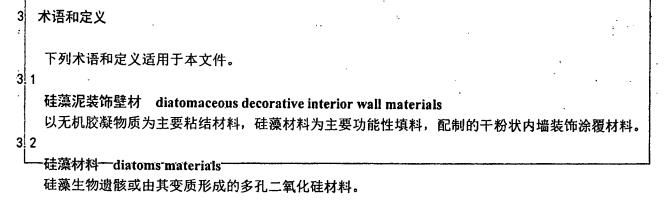
Industry standard from silicon algae mud decorating wallwood jc/t 2177-2013
The most common references to inorganic glue are lime and plaster. Silicon algae material is silican algae soil, the main component of which is silicate dioxide, and sand and quartile are also its main components。
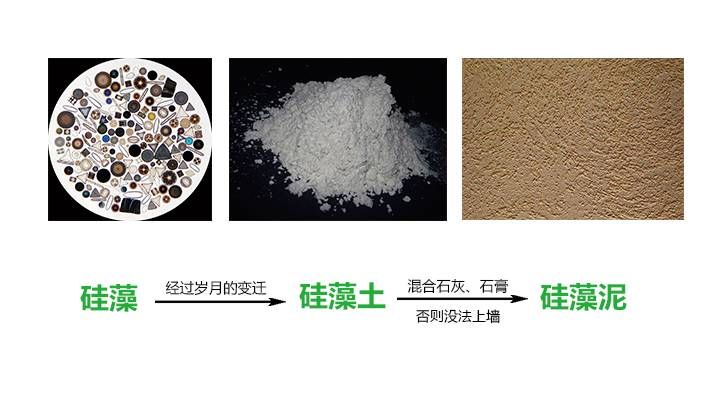
Based on this component, normal silicate sludge itself does not release toxic and hazardous substances。
The price of silicate is much higher than that of emulsion paint. Emulsifiable paints are mainly promoted by manufacturers, who promote the environmental properties of emulsive paints, which are indeed much more environmentally friendly than past ones. And the silican mosaic commercial propaganda is much more powerful than emulsion paint: in addition to its own environmental protection, it is called the decomposition of formaldehyde, the release of anaerobic ion, etc., and so on, it is not known how many people have come up at high cost for these cattle
So, does silicate mosaic have any of these commercials? Let's start with its main component -- silicate soil。
What's silican soil, what's the character
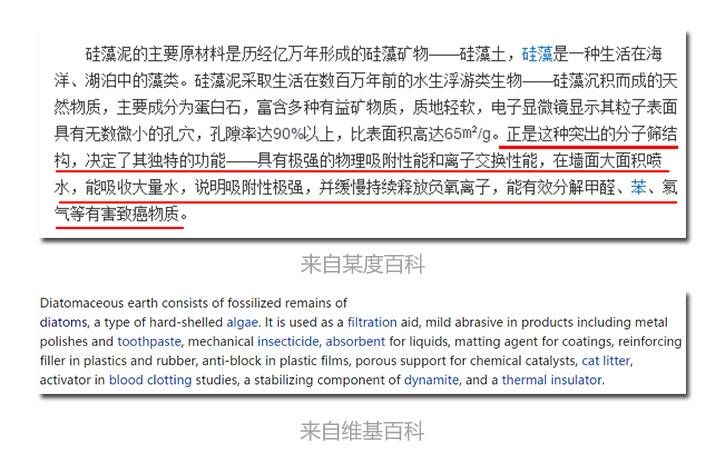
On encyclopedia, silican soil appears to be a natural perfect wall coating, much like what merchants preached, whether it was the first commercial propaganda or the first descriptions of encyclopedia, each of which was very “powerful” and hit consumer point g。
And on wikipedia, the translation is:
With regard to uses of silican algae sludge, the largest use was for leachants, which were also used for insulation, thermostats and grinding agents. They are also used for wall paints because they have a certain humid effect. In recent years, silicate magma has been widely used by ordinary households as a natural and environmentally friendly building material and must be used in conjunction with lime and glue because silicate soil itself is not adhesive”。
Here, there is no mention of harmful gases such as formaldehyde, benzene, etc。
In the home country of silicate mosaic - japan - it is generally produced using silicate soil to sow water, insulation characteristics: bath mats, cup mats, spices, soap butts, etc. But how is it possible to decompose formaldehyde and release anaerobic ion? Will this be the result of an innovative and subliminal study by domestic traders
Microstructure of silicate soil
It is true that we look at the structure of the silicate soil itself, which is poignant. The following is a microstructure of silicate soil and activated carbon:
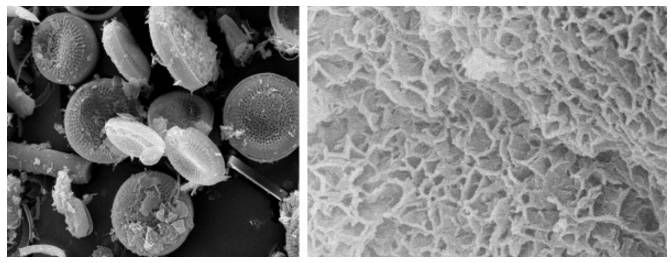
On the left is silican algae, on the right is activated carbon, and the hole in silican algae is smaller and more numerous, thus allowing for greater exposure and theoretically better adsorption than activated carbon. However, the specific adsorption effects will need to be tested and will be tested below. Please note, however, that adsorption, rather than decomposition, is used even with adsorption。
If it's adsorbing, it's going to be saturated at that moment, and if, by winter, the heating air conditioner or heating is released from the formaldehyde that binds the silicate mud, it's embarrassing, if you're decorating the formaldehyde, then it's silicate and you don't like ventilation。
The silican mosaic removes formaldehyde because of the light media in it
It is not enough to go to silicate mashed merchants for false propaganda, because they will tell you that there are light agents (the main ingredient of titanium dioxide) in their products, and light agents are the main components of decomposition and purification of formaldehyde。
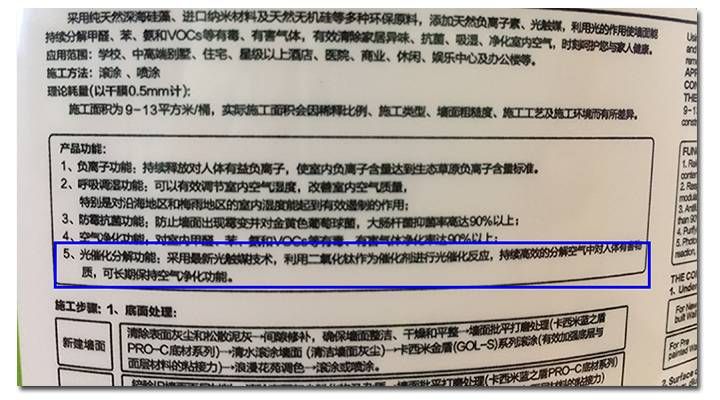
It's taken from a brand of silican mud product
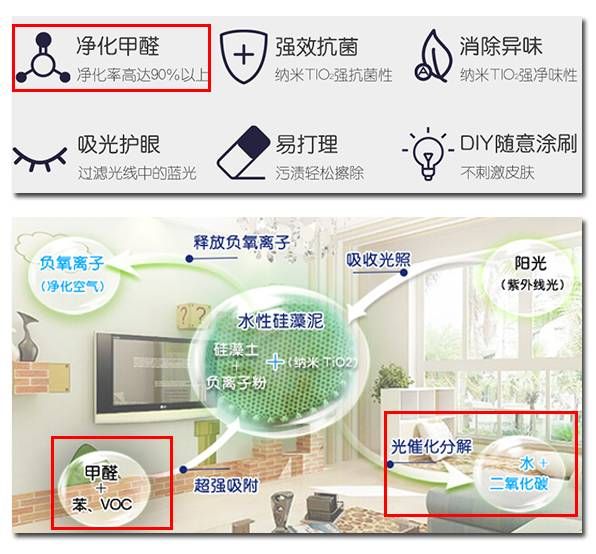
Selected from a branded product description page
The titanium oxidation media does decompose formaldehyde, but strong ultraviolet light is needed to provide energy, and our indoor ultraviolet light is minimal. Otherwise, why don't you put sunscreen on at home? It's really hard for the merchants to play tricks。
Talk with data
Well, there's so much theory, but experiment is the only way to test the truth. We've bought four large-silk algae over the internet, and we're going to actually measure their formaldehyde clean-up, because different brands of sillen algae may have different quality, so we're going to do an xrf-ray scan to measure the content of the elements of four silli algae。
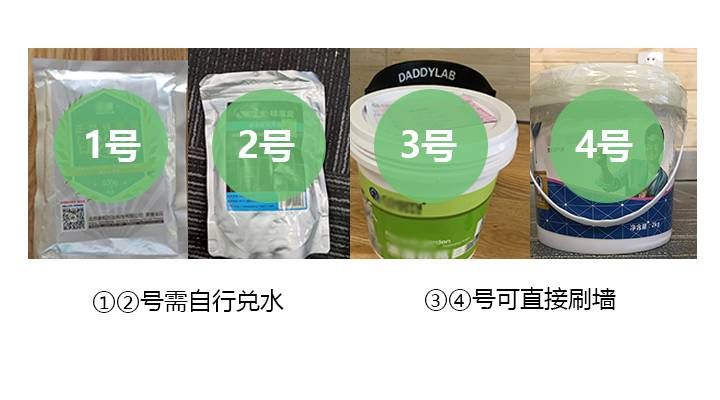
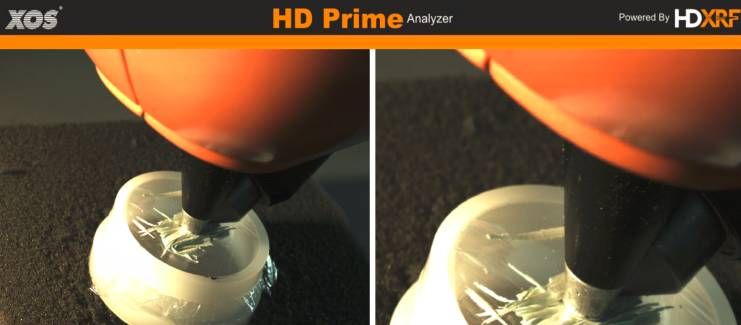
Xrf ray scanning
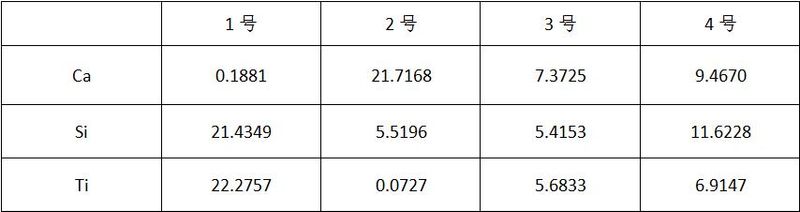
We found some difference in the amount of silicon in different brands. See the line in si below. (silicate content reflects silicate soil content)
We've found a requirement for silican soil in silican mosaic in industry standards, focusing on the last line
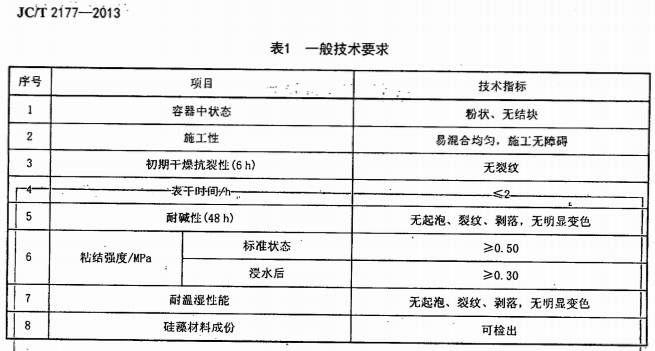
Technical indicators for the composition of silicate algae are required to be detectable
It means that content requires detection. In other words, if the silicate mud sold by the merchants contains only silicate soil, even a little bit of it meets the standard. It's really industry standard, and it's like using the word "standards" to fool our consumers。
In addition to the silicon content, titanium (ti) has been measured in paragraph 3, which means that it contains titanium dioxide. As we said earlier, titanium dioxide does not decompose formaldehyde without sufficient ultraviolet radiation, so why would the merchant add titanium to it? The simple reason is that the white color of silican algae can be made white by adding titanium dioxide, such as modified fluids used by students, white emulsions, etc. So let's not think business is stupid, even if titanium dioxide is not able to decompose formaldehyde in the conventional environment, it'll add titanium dioxide。
Playtime: test formaldehyde purification
Since numbers 1 and 2 are solid and require self-allocation, we add more and less to the business. And the three and four are ready-made liquid coatings, and in order to reduce the experimental interference factor (modulated ratio problem), we have chosen the three and four to test the cleaning effect of formaldehyde。
Smuggle first:
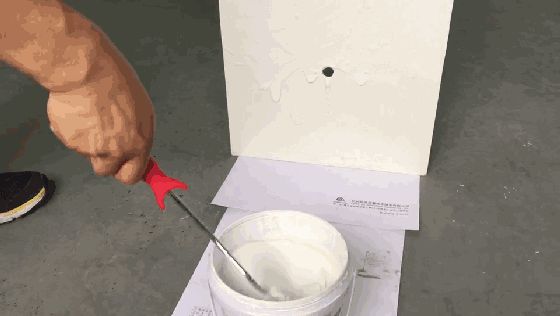
And roll on the ceramic plate:
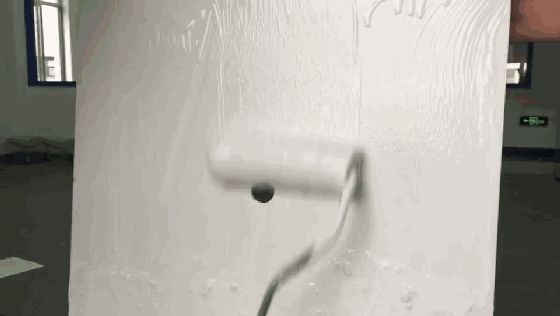
The climatology box door was then opened, with a pre-positioned density plate for the release of formaldehyde (and a balanced initial level of formaldehyde concentration has been measured), and the ceramic plate coated with silican algae was placed in it。

Close the hatch and wait for 48 hours in silence to see what happens to the formaldehyde concentration inside。
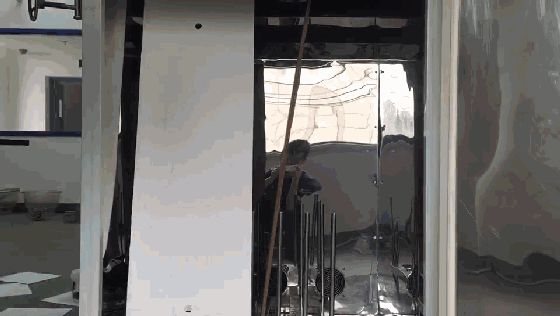
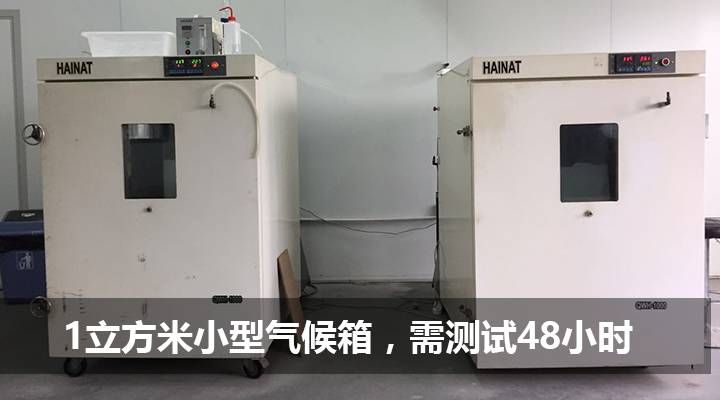
After a long wait, the results of the experiment were as follows:
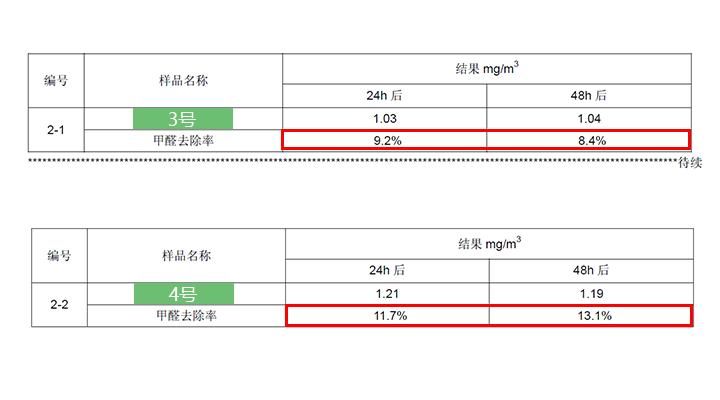
The formaldehyde removal rate for silicon algae no. 3 fell from 24 to 48 hours, and number 4 is still increasing. According to the previous material tests, silicon content of no. 3 was less than 4 so that formaldehyde adsorption of no. 3 was saturated, while no. 4 had not saturated in 48 hours, but the purification was still very poor, with 90 per cent of the commercial's own propaganda, a difference that was not exactly one or two points. If you'd like to know about the four silica mosaic brands we've been looking at
Silicon algae mud only takes a small amount of formaldehyde, and it's expensive
Therefore, the results of the experiment prove that the theoretical analysis is correct, and that silicate mosaic absorbs formaldehyde with very limited efficiency (even saturated releases). Well, we've taken another heavy dose of psychological comfort. So it's not appropriate to pay for silicate moss for formaldehyde. And we've also made a debt:
Assuming a family area of 90m2, with a silica area of 100 ~ 120 m2, with a silicate mud area of 500 m2, with an estimated cost of 9 ~ 13 m2, with an estimated cost of $5,000+, with an emulsifiable paint of 600 / barrel, 15 l per barrel, 12 ~ 14 m2 and 3 ~ 4 times per litre, less than $2,000。
It's more cost-effective to choose silicate, unless you're very fond of silicate-specific texture。
This silican mosaic is enough as an advanced coating, and you can buy it if you want。
This test, sample purchase cost: $1403 and test cost: $5,300. If you think we're doing well, you're welcome
We're a real 360-page security guard who kills dangerous and dangerous people in life. We've been looking for them。