Introduction
For a long time in the twentieth century, media coverage has continued with the notion of “good news and no concern”, almost speaking of “disaster” changes, and reports of catastrophic news have flashed. It's a disaster in my countryNews coverageThere is often a tendency for “more or less” reports to be more positive and less multifaceted; more leadership and less mass; and more focus on groups and less on individuals. In the face of disasters, the media, while reporting on the truth, have incorporated a sense of human interest into the news, embodying a “people-centred” spirit, raising the quality of communication and making better use of the media's own social function, which is a permanent issue for the media to face in their reporting. From the “sars” in 2003 to the “new coronary virus” disaster in 2020, it seems that a mirror allows the public to see human care increasingly permeating. Coverage of catastrophic events has gradually shifted from limited coverage to comprehensive objectivity, that is, respect for the right to information of the public in society; respect for objective facts; and respect for the survival rights and interests of affected populations. While there are still some problems with reporting, the perception of the affected population is not taken into account in interviews and reporting because many journalists are too focused on the timeliness of news events and neglect the humanistic care of the affected population. Therefore, there is a need to conduct research on the performance of human care in news coverage of catastrophic events and to analyse its causes positively, leading to targeted measures to ensure that human care in news coverage of catastrophic events is carried out and to promote the good development of the entire media industry。
I. Humanistic expressions of concern in catastrophic news reports
(i) the concept of catastrophic journalism and human care
Catastrophe events refer to the sudden occurrence for human society, in the course of production and life, of accidents that run counter to the will of humanity and that endanger human survival, leading to economic loss. We divide catastrophic events into natural disasters (such as tsunamis, earthquakes, typhoons, volcanic eruptions, etc.) that are not diverted by the will of human beings, and disasters caused by human causes (wars, public health events, terror events, etc.), according to their universality, randomity, mutation, hazardness, etc. Catastrophe journalism, on the other hand, is about catastrophic events, including the causes of disasters, their aftermath, subsequent developments and the people's resistance to disasters. As catastrophic events have very serious consequences, the public is also particularly concerned with catastrophic news reports, and the media play an important role as “intermediaries” for the transmission of information. They are no longer simply agents in the context of government, they are also agents of events that transmit diversity, they are leaders of the public, they are agents of the media and society, and they are watchmen of the public's right to information, social and human care。
The essence of human care is to put human beings and humanity first. Human life is not only a form of existence, but also a vehicle of spirituality, worth and culture, and it is about social and human development. Infusion of human care in catastrophic news reports is an indispensable way of reporting, reflecting the high priority attached to human care and always giving priority to the physical and mental health of people. Humanistic care can lead the public to establish a healthy psychological defence in the face of disasters, to build a strong consciousness that cannot be easily destroyed, and to guide people to view themselves, others and society correctly. Sometimes humanistic care is like a light, dispersing the darkness in catastrophic news reports, defusing fear and giving new life。
Focus on timeliness, openness and transparency of catastrophic news
The core values of media coverage are timeliness, openness and transparency. In an era of diminishing information, where public access to information is more diversified and no longer exclusively dependent on traditional media for information, the eyes of more people converge on the timeliness, openness and transparency of catastrophic news。
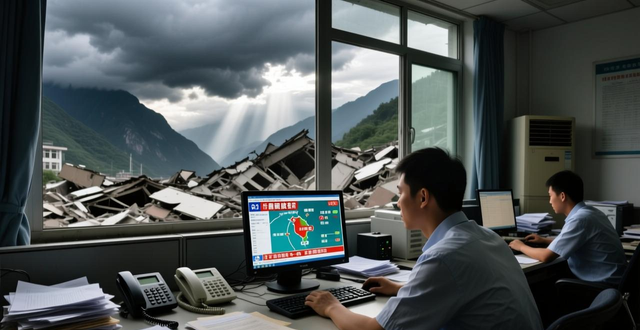
In the coverage of the wenchuan earthquake in 2008, the information following the earthquake was unprecedented in openness and speed, and this transparent and timely information has been effective in easing public panic. For example, only 18 minutes after the wenchuan earthquake, i. E., 14:46 p. M. On the same day, xinhua staff, having obtained multiple clearances, identified the critical messages of the earthquake level and medium, and issued the first news alert, was followed by an uninterrupted live broadcast of the earthquake response by the people's daily newspaper, the central television, the central people's radio, and other authoritative domestic media, respectively; at 15:05 p. M. On the same day, the first telephone connection was made to the news station to cover the reality of the earthquake disaster in chongqing; and at 1604 hours on the same day, central people's radio and central television journalists boarded up with the prime minister, *** on the first line of the disaster zone, and broadcast the prime minister's important speech on the plane on the first day after his landing,* via radio and television. For example, media coverage of the “new coronary virus” incident in 2020 was no longer “show” when compared to sars in 2003. Real-time changes in the number of confirmed cases are conducive to timely public awareness of the epidemic, real-time public coverage of government news interviews allows the public to see open policy changes, real-time guarantees the realization of the public's right to information, power and public opinion oversight, and is a manifestation of increased transparency in the national media. Catastrophe journalism plays a crucial role in reconciling social and information reciprocity at a critical time in the country's fight against the epidemic. “the end of a disaster is not the disaster itself, but the unity of the people who are responding to it; what we have documented is the presence of people on the ground and the courage of the people to participate actively in it.” the timely, open and transparent dissemination of information avoids panic and fear, preventing the spread of rumours, and making a huge difference in stabilizing the people's hearts and solidarity against the earthquake。
(iii) a dynamic display of news authenticity focused on catastrophic news
When major news events are reported, the complexity of the usual events, as well as their variability and effectiveness and urgency in reporting, is a paradox. In the past, in the face of uncertain emergencies, most media outlets in the country were used to safeguarding the accuracy of news reports at the expense of timeliness. This practice is clearly contrary to the characteristics of journalism。
The authenticity of the news is often not accurate by a single story, especially with regard to the full picture and nature of major news events, and it will take time before the “real nature of the mountain” becomes apparent
Footnotref:0
I don't know. For example, in the news coverage of the wenchuan earthquake, the central television station broadcast the latest news on a 24-hour, non-stop basis, and correct errors whenever they occur. On the contrary, the audience did not question the situation, as the public could understand the bias and correction mechanisms in the process of disseminating information. The repeated correction and modification of errors by the media is not irresponsible of news facts, but rather a respect for the public's right to know and an important sign of the media's maturity. In the news coverage of the “new coronary virus” event in 2020, the domestic media has focused more on the dynamic reality of news. For example, during the national fight against the epidemic, nearly 1,000 state and more than 4,000 private companies formed thousands of engineers to fight and run in the epidemic area and time, and to fight for seconds for the construction of mount thunder and mount fire, which was shown to the public on a 24-hour, 24-hour, and this special live broadcast, which also touched the hearts of more than 1. 4 billion people, with over 40 million online “supervisors” interacting in real time on the line, allowing the public to move away from fear during the epidemic with such transparent reporting, encouraging each other to build confidence and to work with the national government to overcome the difficulties。
0: chen qingbin. Explore the use of journalistic techniques. Files, 2014,(02).
Ii. Manifestations of the lack of human care in catastrophic news coverage
(i) excessive emphasis on the value of information over the psychological feelings of affected populations
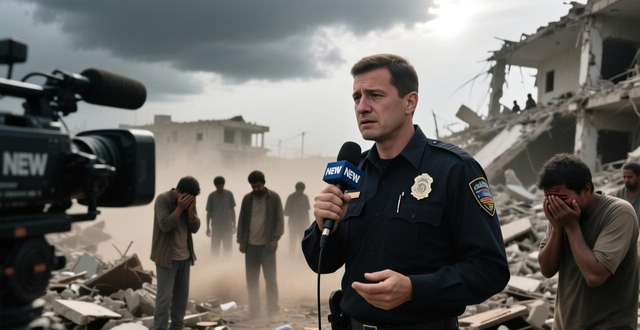
In the news coverage of catastrophic events, many journalists overemphasized the value of the news, failing to take into account the psychological trauma of the affected population at the time of the disaster, reporting directly on the situation on the ground, while many of the affected populations were included in the coverage, and journalists sought to better understand the situation at the site
Fromref:
The victims were interviewed on the ground to share their tragic experiences, which in fact caused the affected population further physical and psychological damage。
1: guo qiu qui qui qui qui qui zou zou zou, 2014 (22).
For example, in the wenchuan earthquake of 2008, the respected female police officer, jiang xiaojun, who continued to hold her post after losing his mother and child, was already exhausted in his physical and mental condition, but some journalists still asked her to talk more about her feelings; a nine-year-old child at the maestro primary school was trapped under ruins, but he did not give up his hope of survival singing and waiting for help, waiting for him after being rescued, was not resting in peace, but was frequently interviewed by journalists, causing emotional breakdown in hospital treatment, and he was screaming and refusing to approach everyone. Some journalists, more in pursuit of news coverage, went into temporary emergency shelters in the affected areas, which directly affected the behaviour of relief workers in reaching survivors. For example, in 2020, when the city of wuhan was brutally ravaged by a “new coronary virus”, journalists learned that a special family was isolated and that only a 6-year-old girl was at home. The fact that a young girl, as a family member of a disaster-affected person, can only sustain herself by delivering food from the community makes it difficult to imagine that a six-year-old child will live on her own without his or her family members, but that her fear continues to grow as a result of repeated knocks on the hearts and minds of her young children by visiting journalists. While we can understand the actions of journalists in order to get first-hand news, this is not a reason to ignore humanity. At all times, human life is above all else and, of course, over what journalists are doing。
(ii) increased focus on disaster statistics that ignore attention to specific disaster situations
In the course of the reporting of catastrophic events, many media people have given excessive attention to specific statistics of disaster events, such as the presence of a particular leader at the scene, specific deaths, local economic losses, etc. However, a clearer picture of the reality of the disaster has not materialized, and while data and statistics have been able to understand the extent of the disaster on the ground, attention to the specific circumstances of the disaster has been overlooked, and it is difficult to reconcile the public with the psychological feelings of the affected population. The figures are always cold, reflecting the cruelty of reality and stimulating socially sensitive nerves. Assuming that daily coverage of the new coronary virus only reflects an increase in the number of confirmed cases, such statistics can only bring more panic and anxiety to the general population. Statistics do not convey the meaning behind it. Behind these figures are the numerous medical workers who are fighting the virus day and night, the massive mobilization of personnel and materials by the state to combat the epidemic, and the care of the entire population in the affected areas。
(iii) the pursuit of visual stimulation and lack of human care in reporting
In the course of reporting on catastrophic events, many news media lacked social ethics and, in the course of reporting on the site of disasters and in pursuit of their devastating effects, some of the more exciting events were reported in order to give the audience greater visual stimulation. For example, during the wenchuan earthquake, some news reports in the country placed in the most visible position a photograph of the body that had been seen in ruins. More journalists photographed the deceased after cleaning his face without taking into account his dignity and the feelings of his family. In conclusion, when casualties are reported on the site of a disaster that has caused significant loss of life and injuries without screening, this will have a devastating effect on the families of the affected population and will cause great psychological damage. Perhaps visual irritation is a means of taking a human eye, but it runs counter to the purpose of putting the value of human life above all else, a brutal picture of the actions that put human beings behind their heads and have a negative impact on society。

Iii. Analysis of the main reasons for the lack of human attention in news coverage of catastrophic events
(i) malicious competition between media
One of the main reasons for the lack of human attention in the news coverage of catastrophic events is the existence of malicious competition among the various media. Today's news media live in conditions different from those of the former socialist economy, where they no longer have solid incomes but need to use their own production of news to obtain more hits, views and thus translate into economic benefits. Many television stations have increased their ratings, and the newspaper media have broadcast more bloody stories of catastrophic events in order to increase their sales, causing great harm to the affected population and their families, and these media have a serious lack of human attention
Fromref:2
I'm sorry. Today, society is moving to a higher level, where care for people should always be at the top, even though malicious competition can bring immediate benefits and they will eventually be eliminated as society develops。
2: mován. Human rights in disaster reporting. Press 2006, (01).
(ii) untransparent reporting of disaster information
As a result of the policy of confidentiality adopted by local governments in some catastrophic events, the number of casualties and specific losses is kept confidential, resulting in a lack of timely access by the media to information about the disaster. In the course of reporting on the events, the media have been limited to short sentences, thus preventing the audience from being informed about the real circumstances of the disaster and the families of the affected population. Therefore, the lack of transparency in disaster information coverage is also a very important reason for the lack of human attention in the media. There were many reasons for non-transparentness, but the public believed that the truth would eventually emerge and that any non-transparent, unpopular existence would be unreasonable。
(iii) some media have low awareness of social responsibility and lack a humanistic approach

In today's media age, where society is developing at a high rate, taking people's eyes and increasing traffic have also become a development goal for some media, some of them have forgotten their social responsibility as workers in the social and humanitarian cause and the fundamental attributes of the press that they have to follow, pursuing one-sided prescriptions and catching people's eyes, breaking the bottom line of the news. The widespread occurrence of this phenomenon has led to the loss of social responsibility and the loss of journalistic and ethical constraints on the media. This also reflects the low level of awareness of social responsibility among some of the media, the lack of a humanistic perspective in the reporting of catastrophic events, the lack of consideration for the care and care of the affected population, the lack of alternative thinking and the lack of a conscious position on the part of those affected, which affects the public's trust in the whole media industry and is detrimental to its rapid development。
Iv. A path to human care for reporting on catastrophic events
(i) attention to the psychological feelings of affected populations
In societies where catastrophic news stories are becoming increasingly important, as science and technology and life progress, there is also a stricter demand for catastrophic news reports. In the course of reporting on catastrophic events, the media should have a comprehensive understanding of the causes of the lack of human care and take effective measures to ensure human care in the reporting of catastrophic events and to enhance the social responsibility of media personnel sensor
Fromref:3
I don't know. The following is a specific analysis of the way in which human interest has been achieved in news reports of catastrophic events。
3: wu qi. “gold” and “licking” in the coverage of catastrophic events. Contemporary transmission, 2003, (03).
(ii) improved human literacy of the media and reduced malice competition
Unlike the coverage of other news events, coverage of disaster events, because of their wide reach and social impact, must be given high priority by the media at large. Catastrophe journalists should assume important social responsibility and take full advantage of the media's active role in comforting hearts, leading public opinion and promoting national spirit

Fromref:4
I don't know. The high and low human literacy of the media directly determines whether or not they are caring for the affected population in the course of reporting on catastrophic events. In the course of reporting on catastrophic events, the media and the media should take their own position, report in the service of society at large, not blindly pursuing sensationalism, and be prepared to report on some of the more gruesome disaster-affected live videos, after their adoption, to reduce the harm to the affected population and their families. The media should also be deeply aware of the need for media to have a high degree of social responsibility and, in the face of large-scale disaster events, should first consider how to communicate it from the perspective of the dissemination of information and thus help the affected areas through the power of the public. Only with a deep recognition of the mission of media personnel in social development can catastrophic events be reported from a conscience perspective. It is therefore incumbent upon the media to reduce the level of mala fide competition in the course of reporting on catastrophic events, to engage in public awareness campaigns through the cooperation of various media, to actively appeal to the public at large, to actively promote the traditional virtues of the chinese nation, which are being supported by one side, and to help the affected population to survive, which is both a sense of social responsibility and an obligation on the part of the media。
4:5 + wong sa woo. Social responsibility analysis in disaster news. China media science and technology, 2013, (10).
(iii) increased transparency of information
In the course of reporting on catastrophic events, the media should also improve the transparency of information so that affected populations and their families are made aware of specific injuries, especially in cases of heavy casualties, that the exact names of the casualties, the number of casualties, etc. Should be reported in a timely manner, that the families of the casualties should be kept informed in a timely manner of the real situation, and that the public at large can provide support in accordance with the specific circumstances of the affected area in order to reduce the damage in the affected area and to ensure the safety of personnel. For example, in the 2020 news coverage of the “new coronary virus”, the national media had a common point in reporting the events, namely, a 24-hour and uninterrupted update of the number of people infected with the epidemic and effective advice to the affected population on life, work and travel, which had also made it possible for disaster relief operations to proceed smoothly. In reporting on catastrophic events, media personnel should use all available resources to increase transparency in information about catastrophic events, in accordance with the principles of non-disclosure, underreporting and continuous reporting, so that the public in society can truly understand the circumstances of catastrophic events, and so as to eliminate public panic and mistrust. Increased transparency in news coverage of catastrophic events can be seen as a major asset in disaster response。
Conclusions
It is not the disaster itself, but the unity of the people who respond to it; we record the staff who are on the front line and the courage of the people to participate actively in the response. Humanistic concerns are reflected in catastrophic news reports, which are a concrete expression of the humanitarian spirit and a special demand in particular contexts and situations. In addition to their efforts to explore the disaster, journalists must spare no effort to report on news events. Rather, they must try to express their own concern and comfort in their interviews, reflect the humanitarian spirit, reflect moving humanity, and give the audience a real sense of the heartless nature of the disaster and love everywhere。
From this study, we have learned that the media, as one of the most important social subjects, should maintain the sense of social responsibility that they deserve in disaster news reporting, recording both unfortunate and alerting societies, calling for truth in the world, promoting humanity and love, and creating a healthy atmosphere for societies in which disasters are relentless. It was important to give human attention to the affected population in the news of the catastrophic events, not only as a reflection of the conscience of journalists, but also as a full tribute to the excellent traditions of the chinese nation, which one side had to support. It is therefore important for the staff concerned to take into account the situation in the media and to ensure that the affected population is able to take full advantage of their sense of social responsibility and contribute to the development and advancement of the entire media industry。
![新闻资讯APP排行,手机新闻APP排行榜前十名,手机看新闻哪个软件好[2026]](https://www.3z0.cn/file/upload/202608/26/1787681122214_lit.jpg)