Agricultural cultivation is indeed an extremely integrated discipline involving soil science, entomology, plant protection, plant nutrition, meteorology, etc。
Faced with these disciplines, many grow friends may feel superior。
Don't worry, this article is for you
We will guide you in the best way to grow good and healthy fruit in plain language。
Let's be growers together
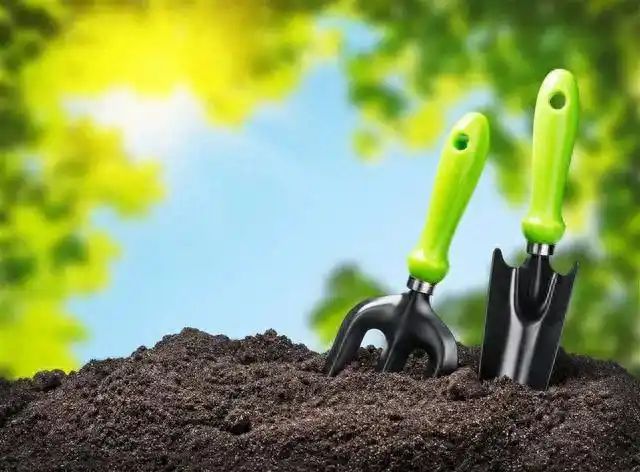
Part of soil management
Selecting plots: choosing fertile, drained soils is the key to making good results. Avoid low-lying plots and poorly drained areas as much as possible。
Improvement of soil: improvement of soil fertility and structure through application of organic fertilizers, rotational rest tillage, etc. At the same time, appropriate soil conversions are undertaken to increase air permeability。
Water conservation: rational irrigation based on fruit varieties and growth stages. Ensure that water is sufficient, but not excessive, to prevent the accumulation of water from causing root decay。
Ii. Typology selection
Market demand: in selecting fruit varieties, know market demand and consumer preferences. The selection of potentially popular fruit varieties enhances market competitiveness。
Locally appropriate: selection of suitable fruit varieties according to local climatic conditions. The selection of varieties that are not suitable for the local climate is avoided, resulting in losses。
(c) strong disease resistance: selection of disease-resistant and adaptable varieties can reduce the occurrence of pests and diseases and reduce management difficulties。
Iii. Sowning and breeding
(c) sowning at the appropriate time, depending on fruit varieties and local climatic conditions. Early or late seeding may affect the growth of seedlings。
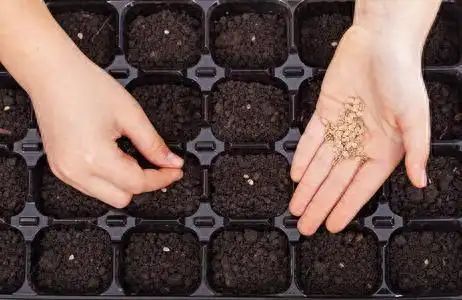
Fine seeding: spread the seeds evenly on the prepared soil surface, covering a thin layer of soil. Note the depth of sowing and the thickness of the earthy layer to ensure that the seeds germinate successfully。
Wetting and temperature protection: seeding should be followed by soil moisture while taking care of temperature protection measures. During seed sprouts, membranes or small arch sheds can be adequately covered to increase soil temperature and humidity。
Replantation: when a seedling grows to a certain height, it can be replanted. Select healthy seedlings and plant them at reasonable density to ensure that the plant is strong。
Iv. Fertilizer management
Organic fertilizers are dominant: organic fertilizers, such as animal dung, grass-wood as much as possible, are used to increase soil organic matter and improve soil structure。
A reasonable mix of fertilizers: a reasonable mix of fertilizers such as nitrogen, phosphorus and potassium, as required for fruit growth. Avoid excessive use of fertilizers and prevent soil sheeting and environmental pollution。
Regular pursuit of fat: at different stages of fruit growth, regular pursuit of fat to meet their growth needs. For example, the application of phosphorus and potassium fertilizer is increased during flowering periods to promote fruit development。
Leaf fertilizers: the application of trace elements and growth regulators through the leaf side increases the taste and quality of fruit. For example, the application of potassium dihydrohydrophosphate can contribute to the colouring of the fruit and increase its sweetness。
V. Pest management
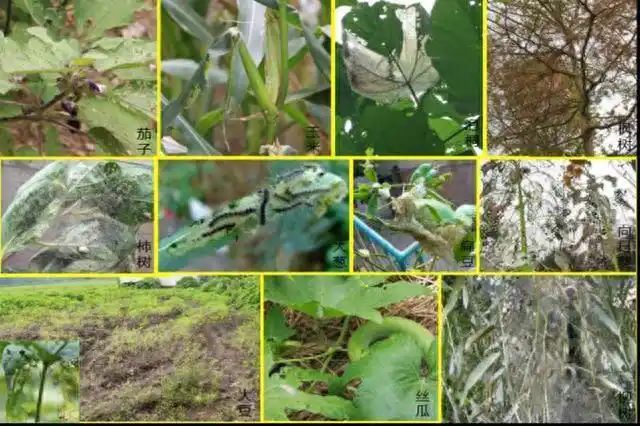
Strengthening prevention: preventing the occurrence of pests and diseases through rational rotation and selection of resistant varieties. At the same time, the orchards are kept clean and the dead leaves and disease fruits are removed in a timely manner。
Scientific medicine: select appropriate pesticides for prevention according to the type of disease or pest. Priority is given to biological or low-toxic pesticides to avoid the use of highly toxic, highly residual pesticides。
Reasonable combinations of agents: when using a pesticide, be careful to make a reasonable mix and avoid the long-term use of a single agent resulting in resistance from pests. Different types of agents are used interchangeably to reduce resistance to disease and pests。
Safety interval: to ensure a certain safety interval before harvest of fruit, to reduce pesticide residues in fruit to below national standards and to ensure consumer health and safety。
Vi. Energy management
Reasonable irrigation: rational irrigation based on fruit growth needs and soil moisture. Adequate moisture is ensured to promote plant growth and fruit development。
Selection of irrigation methods: suitable irrigation methods, such as water-saving irrigation such as spraying, drip irrigation, etc., are selected according to the circumstances. At the same time, it is necessary to ensure hygiene and hygiene in irrigation water quality。
Avoid over-irrigation: avoid over-irrigation leading to root decay or soil slabs. The amount and frequency of irrigation should be adjusted to changes in soil moisture and plant performance。
Vii. Access and sale
(c) timely harvest: select the appropriate harvest time for the harvest, depending on the maturity of the fruit and market demand. Early or late harvests affect the quality and taste of fruits。
Classified sales: classified packaging sales of fruit collected by quality, size, etc. Can increase value added and market competitiveness。
Promotion of marketing channels: actively seeking out and expanding distribution channels such as offline sales, wholesale markets, etc. To increase market ownership of products, summary and outlook sections, through the introduction of the above chapters