It is well known that plastics can be recycled. But the process of recycling plastics is not as simple as many people think. On the one hand, different types of plastics are difficult to recover, and without more sophisticated recycling facilities and technologies, many areas can simply recover plastics such as mineral water bottles, boxes of beverages, etc., while plastics used in products such as yogurt boxes, plastic dishes, coffee parcels will eventually be landfilled for “incapable of recycling”. On the other hand, since the heating process reduces the quality of plastics by reducing the chain of polymers, it is impossible to simply “release” a plastic water bottle into another, even if it can be effectively recovered, and the vast majority of plastics will be “recycling” to lower quality than the original。
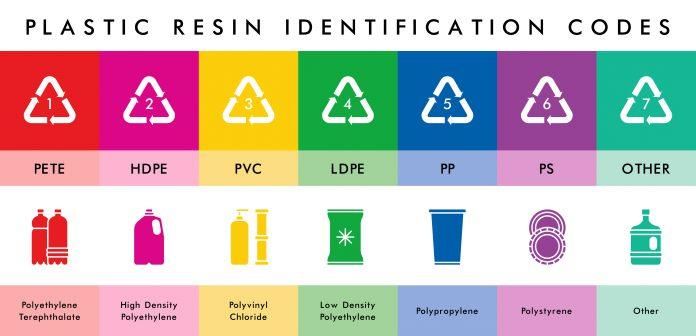
At present, plastics can be classified into seven common types according to the astm international d7611 standard (the resin identification plastics code). The differences in their efficiency, costs and potential for recovery are described here so that more sustainable development-efficient choices can be made in future consumption and production。
Plastic#1
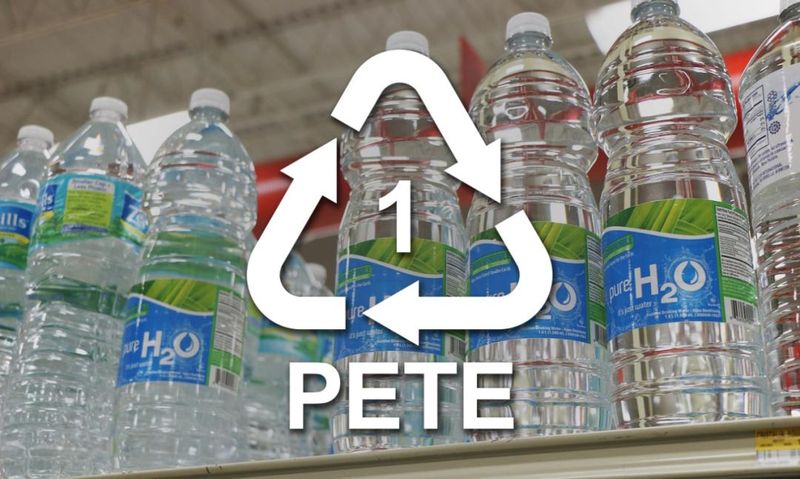
Polybiphenyl dimethylether (pete)
Polybiphenyl diethylene biphenylate, abbreviated as pet or pete, is the most easily recycled plastic type, usually used in transparent beverage bottles and food containers. Because of its porous structure, which absorbs bacteria over time, this plastic is not recommended for repeated use (especially for drinking)。
Recycled petes are usually made into handbags, furniture, carpets, boards, fibres or velvets and can withstand 2-3 recyclings. It is worth noting, however, that the recycleability of pet products depends on the overall recycling capacity of the industry. For example, because of the low capacity for large-scale recycling in the textile industry, once pete is produced into polyester fibres, there may be no opportunity to enter the second cycle but rather to burn it。
Plastic#2
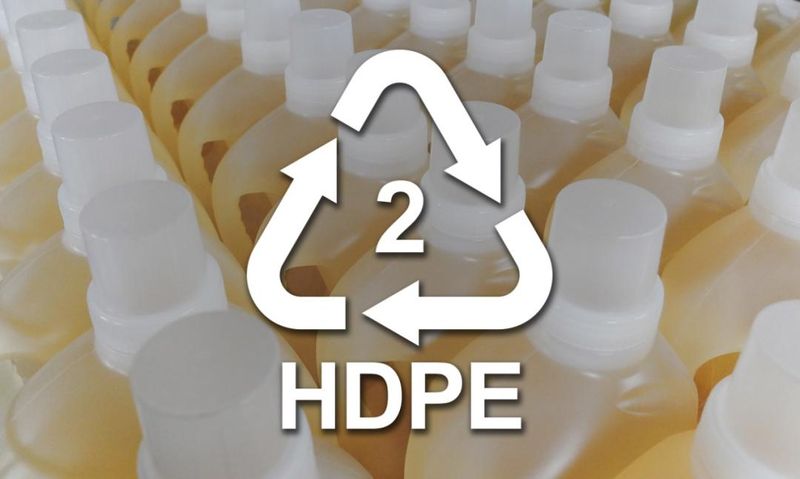
High-density polyethylene (hdpe)
High-density polyethylene is usually non-transparent because of the low risk of leaching, which is considered to be one of three safe plastics, commonly found in products such as milk drums, detergents, juice bottles, shampoo bottles, etc. With regard to recovery efficiency, both hdpe and pete are similar to those that are easy to recover, and most of the recovered hdpes are applied to products such as bead pens, drainage pipes, toys, and wooden composites。
Hdpe is more susceptible to repeated recovery processes because of its degree of thickness and durability. In a european test of hdpe recyclability, it was found that hdpe-type plastics could be recycled 10 times if they met precise and highly controlled conditions. However, the current routine level of recycling conditions is less than this。
Plastic#3
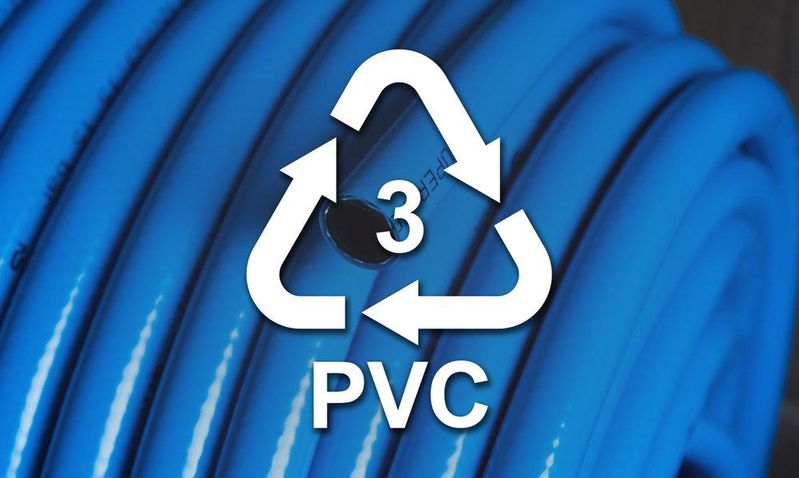
Polyvinyl chloride (pvc)
Polyvinyl chloride (pvc), commonly used in products such as man-made leather, ethylene base plates and pipes. This plastic contains a wide range of harmful substances such as phthalate, deha and is harmful to humans under long-term exposure or high temperature conditions. Moreover, this plastic is much more difficult to recover than pete and hdpe plastics because it contains many different compounds and additives and is challenging to decomposition。
At present, some of the pvcs can be separated and recreated into new pvc products, such as panels, floors, cables, fences, carpet linings and decks, or can again become pipes. However, due to the difficulty and cost of the re-engineering process, the re-generated pvc products are mostly less robust and difficult to withstand multiple recoverys。
Plastic#4
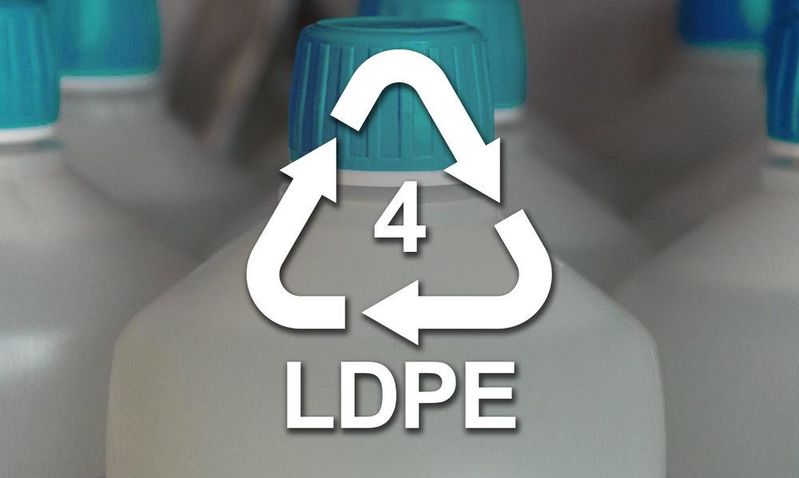
Low density polyethylene (ldpe)
Low-density polyethylene has good chemical stability, most commonly in squeezing bottles and bags (e. G. Ketchup bottles), shopping bags, membranes, medical devices, medicines and food packaging materials. After collecting, sorting, cleaning, removing impurities, ldpe wastes can be melted into particles and used for the production of new products, such as garbage bags and garbage cans, but are usually recycled only once。
Ldpe is rarely involved in traditional plastic recycling systems, but with the development of the concept of sustainable development, it has gradually been found that regenerative ldpe requires fewer productive energy than the original version and that prices are generally lower than the original ldpe and have good environmental and economic benefits. As a result, a growing number of recycling facilities are now integrating ldpe into the recovery universe。
Plastic #5
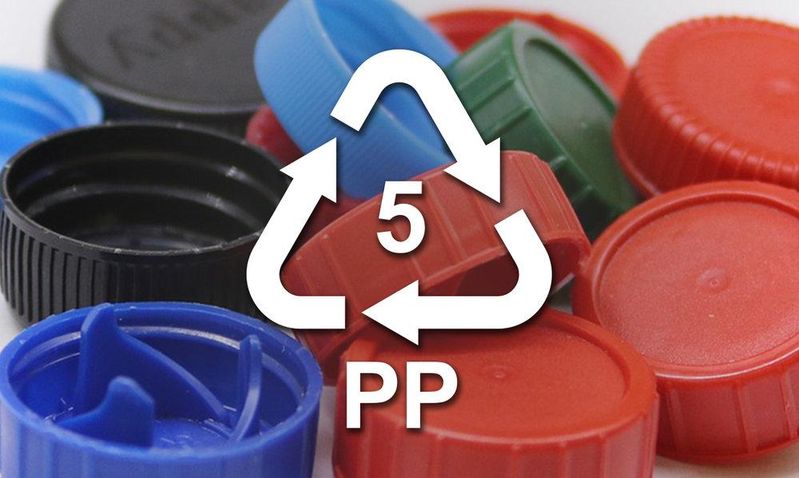
Polypropylene (pp)
Pp has excellent durability and ease of processing, and production costs are low and safe, making it a widely used common material, usually in products such as medical bottles, yogurt drums, bottle caps, vehicle-mounted components, clothing, etc. Because of their plasticity, the pp can be reheated, plasticized, cooled without loss of properties, which is also one of the plastic types of focus of many specialized plastic recycling companies。
According to azocleantech, pp can be recycled about four times. Specific recycling processes include the collection and classification of plastic waste, its shredding, melting and moulding into plastic trays, garden furniture, storage boxes, car batteries, bicycle racks, etc。
Plastic#6
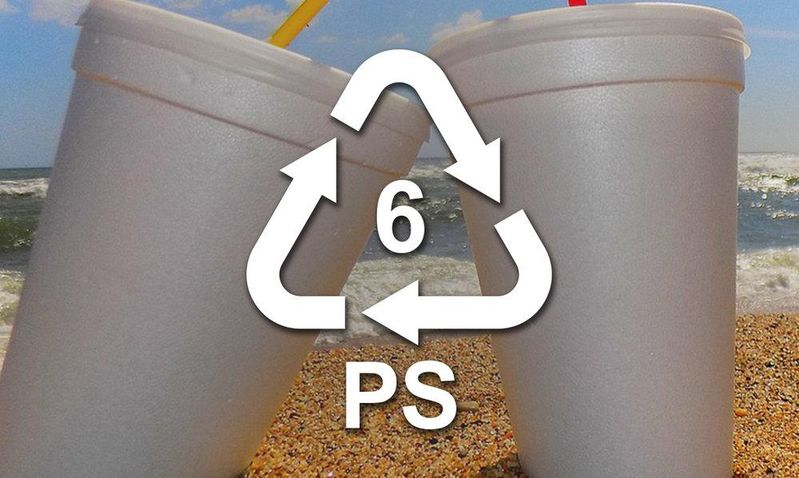
Ps
Ps is a common foam and a major component of “white pollution” and is used mostly in the manufacture of bubble-faced boxes, one-time lunch boxes, one-time plastic cups, etc. Traditional ps materials are formed by liquid hydrocarbons, which cannot be decomposed through standard recovery methods and are too costly to process, so ps recovery rates are much lower than other plastics。
In relative terms, ps subcategory eps is more likely to be recovered, but mostly only once. The common recovery method is the remaking of particles using processes such as heating, cold shredding or cold compression, and then the direct use of plastic particles prepared for mixing with other materials for the processing of coatings, flower basins, videos, furniture, building materials or temperature preservation materials。
Plastic #7
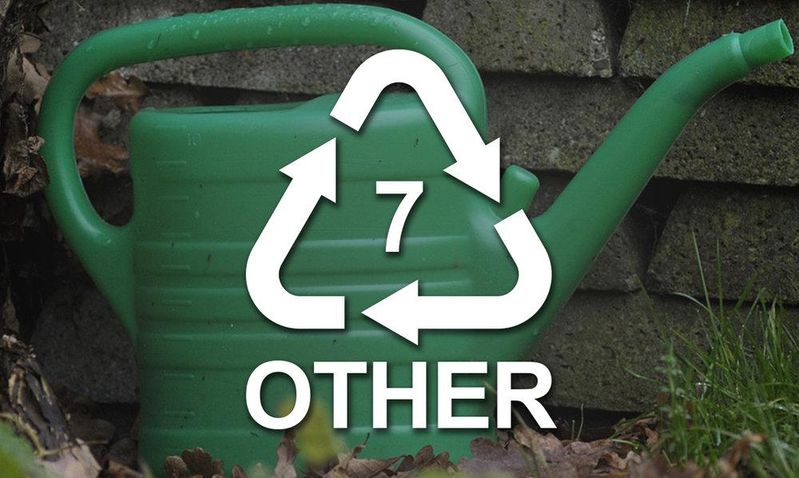
Other
From polycarbonate (pc) for cds, laptop screens and shredded windows to biodegradable “plastics” of corn starch or sugar cane, all plastics that do not belong to the other six plastic types fall into category 7。
The plastics in this category are mostly engineering-grade materials with unique characteristics in their properties, uses and recycling methods. Therefore, when recycling these plastics, a specific issue analysis is needed to ensure that they can be used in the most rational way. For example, after specialized recycling, some pc-type plastics can be re-applied in areas such as home electricity, automobiles, plates, etc. Plas, on the other hand, can be composted in some facilities, thus addressing the undegradability of plastics from the source。