During the production of organic composting, material shredding is a key process affecting the efficiency of the entire production line. In the early stages of production, many organic fertilizer processing plants and farming cooperatives are accustomed to treating composting materials such as fermented chicken dung, goat dung, straw scavengers, etc., with ordinary scavenger shredders. The greatest common disease is to sift, sift and stifling vehicles at the moment of wetting. Frequent jamming not only requires manual stoppages to clean up the screening network, delays in production, but also causes overloading of equipment, overloading of electric power, and abnormal wear and tear of hammers. The unscreened composting composting machine, on the other hand, is targeted at solving the wet-discretion problem and, with the exclusive network structure design, offers a complete farewell to paste clogged and becoming a specialized device for high-humid composting。
I. The root causes of general shredder sifts with wet materials
Ordinary shredders rely on bottom-screened nets to control the amount of material produced, and the sift hole is fixed and dense and suitable for dry, loose and low-moisture material shredding. The organic composting material has special characteristics, with high water rates, high-column, highly condensable and easily condensed materials such as fermented animal excreta, straw residues and slag。
During shredding operations, humid slimy material is attached directly to the sift hole, which is quickly filled with holes, resulting in material not being properly excreted and accumulated within the shredded cavity. Long-term build-up causes equipment to be stifling, speed reduction and cut-off, not only in terms of productivity, but also in terms of increasing equipment loads, frequent malfunctions such as electric burners, accelerated hammer grinding and acoustic vibrations, which are the most painful point of organic fertilizer production。
Ii. Non-sifted web composting machines: structural containment
Distinguished from the traditional web-sifting type, the unsifted compost composting machine removes the traditional sifting and substrate structures, removes the hardware sources of paste, blockages from the equipment doctrine, and specializes in high-wet, sticky, compost shredding operations without the need to dry, dry and dehydrate, and materials can be crushed directly on the machine。
The equipment uses a two-stage rotor high-speed shredding structure, and the material enters the shredded cavity, with multiple-stage hammerheads, collisions and poachings, to achieve a fine, continuous shredding, relying on low-pressure air flow fast-pressure exhausts, and there are no problems of network congestion. Even with high water content and small blocks, the material can operate continuously, with a full-time, unstoppable vehicle, and a complete solution to the industry grids where ordinary shredders cannot handle wet materials。
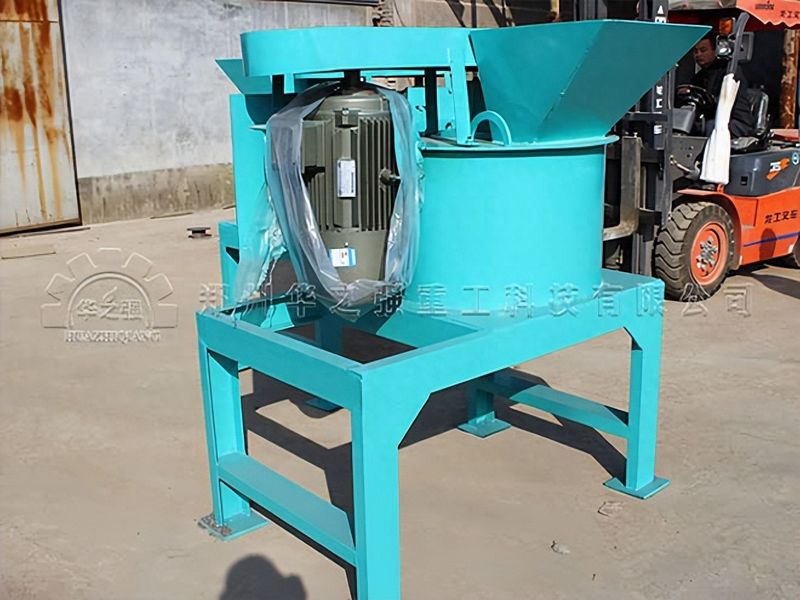
Iii. Core advantages of unsifted web composting machines, fit for composting production scenes
1 wet food, no fear of high-wet pieces
High-wet materials such as fermentation compost, wet excreta and slurry can be processed directly, without pre-treatment and drying, amortized labour costs, significantly simplified production processes and improved overall production capacity。
2. Continuous operation, doubling production efficiency
There is no containment hazard in the net, and the equipment can operate on a 24-hour basis without frequent stoppages and without any need for frequent clean-up to eliminate ineffective stoppages and losses. The combined shredding efficiency has more than doubled compared to the normal shredder, and the size of the small organic fertilizer production line。
3. Same output and the finished product match
Many users are concerned about the size of the non-sift net design, and the equipment controls the size of the material accurately by regulating the rotor rotation, the counter-attack gap, and the finely balanced, large-scale particles of post-crushed composting material, which fully meet the criteria of the processes of powdery organic fertilizer production, particle pre-processing and material mixing。
It's a very low failure rate
Fewer items of equipment will be lost by the removal of retorts that are easy to block, perishable and frequently replaced, and daily maintenance will require simple inspection of hammers and bearings, significantly reducing maintenance costs and transport time, with longer-term use costs being higher。
Iv. Equipment package: which users are suitable to replace netless shredders
Whether small-scale organic fertilizer workshops, farming cooperatives, or large-scale organic fertilizer processing plants, the upgrading of net-free composting machines is appropriate as long as there are wet shredding, frequent stoppages, and material needs to dry. Extensively adapted to a variety of agro-forest waste types, such as animal manure, straw composting, mushroom slag, and wine slag, is a readily needed facility for improving the efficiency of organic fertilizer production lines。
Summary
The general sifter shredder itself is not suitable for high-humid compost, and paste scavengers are structural challenges that cannot be improved manually. Unscreened composting machines are the best solution to address the problem of wet shredding, increase production efficiency and reduce transport costs. The unique unsifted network structure + exhaust design offers a complete farewell to the jamming problem and adapts to the organically fertilized, wet material exclusives, making the composting process more efficient, less expensive and less expensive。