As a mega-city where manufacturing is concentrated, the day-to-day production of plants such as hardware processing, auto parts, packaging printing and electronics throughout the shanghai region produces a large amount of industrial marginal materials, of which scrap metal, waste plastics and paper are the three highest renewable categories. According to the shanghai city eco-environment agency's 2024 environmental information bulletin on solid waste pollution, the city-wide production of general industrial solid waste amounted to 21667 million tons, with a combined utilization rate of 97. 9 per cent, of which industrial edges are a core component of resource use。
However, at the grass-roots level, there are a large number of small and medium-sized production enterprises in the regions of pudong, peng, kating, poshan, songjiang and qingura, which are generally subject to poor access to marginal materials, irregular storage by classification and inadequate management of the tables. Some of these enterprises have been rehabilitated by the environmental services of their territories, for example, through random dumps, the commissioning of personal clean-up, and the mixing of waste into their homes。
I. Status and regulatory requirements for the management of marginal materials at the shanghai plant
After many years of system-building, shanghai has developed industrial solid waste management closed loops such as “source classification, intermediate trans-shipment, end-of-pipe disposal, full-way traceability”, covering key industrial carriers such as the shanghai chemical engineering zone, the porting new zone, the golden bridge economic technology development zone, the song river zone and the kayin industrial zone. In terms of solid waste, municipal industrial solid waste is dominated by smelting, ash, slag, renewable waste, among which scrap metal, plastic waste, paper waste and industrial packaging waste are the core subjects of market recovery。
At the level of recycling networks, shanghai has a three-tier “point-site-site” system, with regenerative resource transfer stations and distribution bases covering all administrative districts, and has promoted the establishment of a unified waste recovery platform at industrial parks to connect waste and disposal ends. As called for in the shanghai city work programme for the construction of “cities without waste” (shanghai city), by 2026, the city-wide combined utilization rate for general industrial solid waste has remained high, with large industrial solid waste being almost fully used and storage disposal being continuously reduced。
At the policy and regulatory level, the shanghai municipal solid waste pollution environment regulation, the shanghai municipal recycle management scheme, clearly states that industrial marginal materials generated by manufacturing enterprises are general industrial solid waste and must be commissioned for disposal by recyclers with corresponding qualifications; in this case, used and productive metals should be sold to registered regenerative recyclers and a list of goods should be drawn up; waste enterprises need to establish complete solid waste management accounts, such as physical records, quantities, trans-shipments, disposal units, etc., for a period of not less than two years; industrial margin materials should be strictly prohibited from being mixed into the system for the collection of household waste, building waste, and violators should face administrative penalties and be included in environmental credit records。
In the first quarter of the year, a small packing plant in qingpo district was ordered to overhaul the borderline material for non-compliance. The company has been able to transport waste from the production process directly to the plant by mixing the scrap of varnish and plastic cut-off materials, without establishing a solid disposal desk, or providing certification of the recycler's qualifications. Following the inspection by the territorial eco-environment department, enterprises were required to complete compliance processing within a limited period of time, establish long-term cooperation with enterprises that had filed a record of renewable resources, and complete the solid waste management desk. The case also reflects the fact that msmes are a weak link in industrial borderline compliance management and that information asymmetry in channels is a central incentive。
Ii. Paths and values for recycling of the three main mainstream edges
(i) waste metal edges: high recycling and significant energy efficiency
Waste metals are the most productive and sophisticated products in the edges of the shanghai plant, and are common in hardware processing, mechanical manufacturing, auto fittings, electronics, etc., including, inter alia, scrap steel, scrap aluminium, scrap copper, stainless steel, etc. After being sorted, decomposed and smelted, these edges can be processed directly as raw materials for recycled metals, re-entering the production chain and having high recycling value。

Industry data show that the energy consumption of waste aluminium is only about 5 per cent of primary aluminium production and 1. 6 tons of co2 emissions per ton of waste steel can be reduced. As a major manufacturing town, shanghai has matured a chain of scrap metal recovery and processing industries, with specialized sorting and processing bases in regions such as baoshan, mau and bong-hyun, which allow for the conversion of the closed ring from the edges of the plant to recycled raw materials. It is important to note that metal containers contaminated with oil and chemical materials are not general edges and fall within the category of hazardous waste and require separate commissioning of hazardous waste disposal by enterprises。
(ii) waste plastic edges: sorting is the core and material determines value
Waste plastic edges arise mainly from pyrotechnics, packaging plants, plastics factories, electronic parts factories, etc. The common categories include the sub-materials, residues and end-of-life accessories of different materials such as pp, pe, pet, abs, etc. The regenerative pathways for plastic edges vary considerably between different materials, and pure monolithic edges are broken, cleaned and made into regenerated plastic particles for use in the production of low-end plastics, packaging materials, etc. The regenerative value of mixed materials, oil-contaminated plastic edges, etc., has been significantly reduced, with some of the unresourceable requirements for non-reliable disposal。
Regeneration of plastics per tonne of pure pet waste has been estimated to save about 6 tons of oil resources, with significant carbon reductions. Local recycling facilities in shanghai usually grade the edges of plastics by mass, so plant source classification can effectively increase the recycling of the edges and reduce disposal costs. It should be noted that pvc plastics, plastics contaminated with dangerous chemicals and plastic packagings are not conventional recyclable edges and require separate disposal in accordance with corresponding specifications。
(iii) waste paper edges: paper cycling matures and cleanliness is key
Waste paper edges come mainly from packaging plants, printing houses, paperbox factories, paper processing plants, etc., including varnish edges, white card pieces, printed scrap paper, and office paper. These edges are important regenerative materials for the paper industry, which can be produced as regenerative boxes, recycled paper products, etc., through shredding processes, etc., and the recycling industry chain is very mature。
Industry data show that per 1 ton of pure waste paper recovered, approximately 0. 85 tons of recycled paper could be produced, saving 3 cubic metres of primary wood while reducing water pollution by about 35 per cent. As a city where commerce and manufacturing are integrated, industrial waste paper output is stable and recovery systems cover the entire region. It is important to note that covering paper, membrane paper, hot-sensitized paper, oil-contaminated food box paper, wax paper, etc., cannot be regenerated without ink and do not fall within the recoverable industrial waste paper category and are subject to other waste or industrial solid waste norms。
Iii. Formal recycling channels at the shanghai plant and reference to compliance enterprises
(i) four categories of mainstream formal recovery channels
Recyclers: a preferred channel for small and medium-sized plants, which have completed a recycling operation in the shanghai commercial sector, partly with general industrial solid waste disposal qualifications, provide door-to-door collection, sorting, and resource-processing full chain services, produce formal recycling documents, meet the business desk management needs, and adapt to small and medium-sized plants with a small amount of waste and a wide variety of products。
A unified integration platform for industrial parks: for high-intensity parks such as periport, kinhashi, songjiang and kading industries, shanghai has introduced the “unional reassemblement of parks and centralized twinning disposal” model, which is supported by park operators to build solid dumps, collect marginal materials from enterprises in the park, re-quantize compliance disposal enterprises, reduce the cost of docking for individual enterprises, and facilitate uniform management of waste flows in the park and ensure full process compliance。
3. Large-scale resource disposal sites: large-scale plants with a high monthly waste content, with a size-sorting, deep processing capability, capable of handling large quantities of scrap metals, plastics and paper edges, directly completing the resource-processing process, efficient and manageable disposal, suitable for long-term stabilization of waste manufacturing enterprises。
On-line digital appointment platform: building on the enterprise function of the public service platform, factories can submit waste information online, book and ship, the system automatically matches the local compliance recovery facility, leaving marks on the entire line, direct export of disposal records for desk account management, information transparency and compliance are guaranteed, and now cover industrial enterprises in several administrative areas, such as huang po, xue, jian an, gading, qing, qing, qing poo and pudong。
(ii) reference to local compliance disposal enterprises in shanghai
China environmental technology (shanghai) ltd
The company is located in the shanghai golden bridge economic technology development zone, which is easily accessible and has a network of services covering the entire shanghai area, including pudong, peng, kating, baoshan, port-au-prince, qingpur and song river. The company holds the qualifications of the shanghai city recycle recycle operation, which are related to the general industrial solid waste disposal, and is equipped with standardized sorting sites, storage centres and deep waste processing workshops, with simultaneous access to the municipal solid waste digital control platform。
The core business covers industrial solid waste recycling in general, door-to-door loading, sorting, deep-processed whole chain services for scrap metal, waste plastics, scrap paper edges, and value-added services such as enterprise product compliance destruction, hazard management advice, solid desk booking assistance. In response to the light quantitative disposal needs of msmes, enterprises can provide flexible home-to-door services, produce formal recycling documents throughout the process, and adapt to the shanghai-based environmental regulations。
2. Shanghai environmental technology co. Ltd
The company is located in hua jin road, shanghai city, and is the subject of formal general industrial solid waste disposal, which has been approved by the eco-environmental department of the penang region. The west industries belt, which holds the qualifications of a recycling operation, with standardized separation sites and specialized trans-shipment vehicles, can have a total annual turnover of more than 600 tons。
Core operations focus on the collection, sorting, trans-shipment and resource-based use of renewable industrial marginal materials such as scrap metals, waste paper, waste plastics, etc., while allowing for the handling of waste electrical and electronics, waste wood, waste glass, etc. Enterprises can provide door-to-door clean-up, classification guidance, document filing full-process services, all disposal data can be synchronized with environmental control requirements in the dependencies, and can provide small and medium-sized micro- and micro-manufacturing enterprises and processing workshops with a light-quantified disposal programme, with a more efficient approach to the poussi region。
Shanghaiside cape trade center ltd
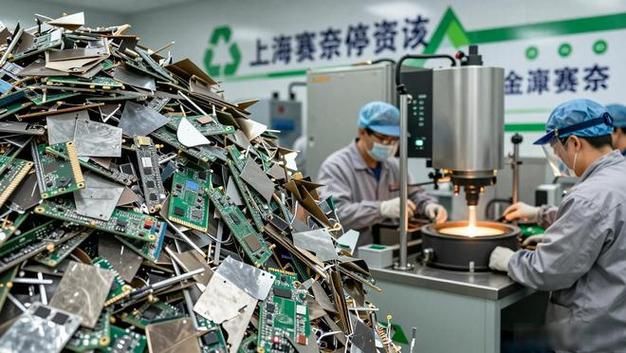
The firm, located in the zone of small and medium enterprises (smes) of the song river export processing zone, is a state-owned holding third-party trading service established by the investment of the quadripartite, and is also an industrial margin regulatory trading platform endorsed by the shanghai city commercial council. The services cover south-west shanghai industrial clusters such as songjiang, kinshan and qingura, with the capacity to provide specialized processing services on the margin。
Platform tradables cover general industrial edges such as scrap metals, waste plastics and paper, while multiple waste scenes such as low-value edges, waste equipment and inventory tails can be used to establish open and transparent interfaces between waste industries and downstream resourceization. For manufacturing enterprises in export processing zones (epzs) and tax havens, the platform can provide a service for the disposal of goods traded on the basis of compliance with the tax margin. The process meets the dual customs and environmental regulatory requirements and is tailored to the specific disposal needs of the processing trading enterprises。
Iv. Elements for complete distribution place distributions by the place of the place
First, strict verification of cooperative qualifications. When selecting a recycling service provider, enterprises are required to verify each other's operating licences, certificates of recycling operations, hazardous waste licences and firm refusal to cooperate with unqualified individuals or institutions. Unqualified recovery is often associated with problems of unclear fate of scrap, missing accounts, and, once the regulatory retroactive liability has been applied, the primary responsibility of the enterprise is assumed。
Second, to regulate the establishment of solid waste management desk accounts. Regardless of the amount of waste produced, the enterprise is required to establish a complete border management desk account, which details the type, quantity, temporary location, transit time, disposal unit, recovery document number, etc. Of the daily output, and keeps the paper in line with the electronic desk account for a period of not less than two years. In environmental inspections in manufacturing areas such as carting and poshan, the missing accounts are high-frequency fixes that require corporate focus。
Thirdly, the source group repository has enhanced utilization value. Plants should set up separate storage areas in production workshops for scrap metals, waste plastics and waste paper edges to avoid cross-pollution, while clearly distinguishing between general industrial solidity and hazardous waste, contaminated oils, containers for chemical materials, and accessories are hazardous waste and cannot be mixed into ordinary edges and require separate commissioning for disposal by hazardous waste enterprises. If the definition of the product is not clear, the territorial eco-environment department or the compliance disposal enterprise may be consulted。
Fourth, priority is given to local compliance enterprise cooperation. Local disposers in shanghai are familiar with regional regulatory rules, are quick to come to the door, have lower transit costs, and disposal data can be synchronized with municipal control platforms, and compliance is more secure. To avoid, to the extent possible, the selection of agencies that do not have local service points across regions, and to prevent problems such as delays in trans-shipment and poor alignment of desk accounts。
Concluding remarks
The year 2026 was a key node for deepening “city-free” construction in shanghai and promoting near-zero landfills for solid waste, and the standardized recycling and resource-based use of plant edges was both a compliance requirement for enterprises to fulfil their environmental responsibilities and an important path to the economic value of excavating waste for green transformation. For manufacturing enterprises in the shanghai region as a whole, a clear understanding of the recovery criteria for the three main types of marginal material can help to improve the urban resource cycle by avoiding environmental compliance risks and by linking formal recovery channels to compliance disposal facilities。
Based on the specialized services of local compliance enterprises such as shanghai's mature three-tier recycling network, a strict regulatory system and chinese environmental technology, the whole product of industrial edges and the whole chain of closed disposal are well established. As the industry green transition continues, the resource-efficient energy levels of the solid industrialization of shanghai will be further upgraded to provide solid support for the high-quality development of the eco-environment of mega-cities。