On january 5th, the people's network beijing (zhou qing yuan) neared the 2023 written examination of the national civil service, the outlaws used the eagerness of some parents and candidates to steal money from lies such as “seven days to deal with civil servants” once and for all. The people's network's “founding for truth” column catalogues a number of more common fraudulent schemes and alerts parents and candidates。
Fake one: a fake civil servant's application website
The outlaws have launched websites that impersonate civil servants and have published false policies that attract the attention of undisclosed candidates by using baits such as so-called “predicts” for recruitment to cadres. Candidates were caught in a trap by entering their own names, id numbers, etc., and placing bank cards for registration。
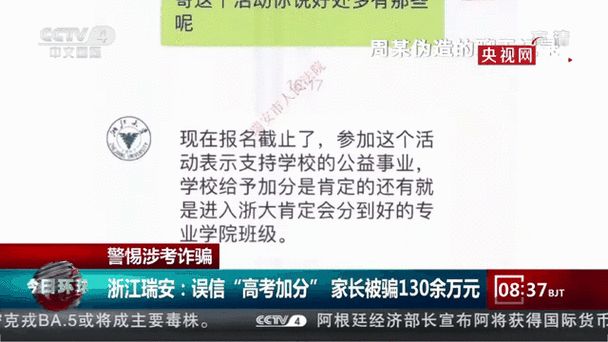
Fraud ii: training courses conducted under the guise of official names
Under the pretext of the “recruitment management office” “had participated in the competition of candidates for the civil service”, the illegal elements fraudulently collected high fees for candidates by organizing pre-qualification courses for civil servants, interviewing classes for civil servants and marketing training materials for the civil service examinations。
Fake three: sell the test or answer

The outlaws published information on websites or social platforms claiming that they could provide the real questions or answers to the examination in order to buy and sell a written test and interview the subject of fraud. When candidates contacted the outlaws and transferred the money to the other party, the outlaws disappeared. The “founding for truth” column reminds that candidates do not easily transfer money to strangers online。
Fake four: falsely claiming to be relevant to help candidates pass the exam
The outlaws falsely claimed that there were “some people in the province” “the examiner is my relative” and misled parents and candidates on the grounds that “the head of the personnel department of the recruitment unit can walk through the back door” and fraudulently took so-called “public relations fees”。
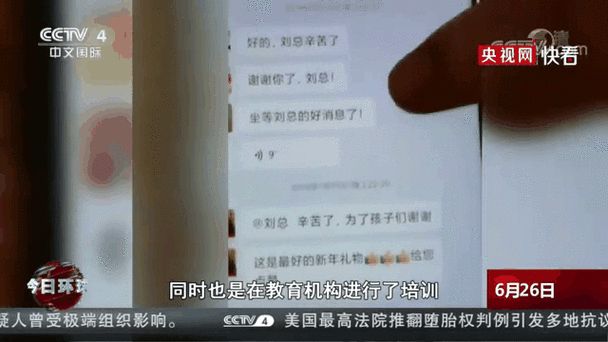
According to zhong xinxing, researcher at the people's institute for data [quoting truth], parents and candidates are expected to visit the official website to look at the policies and regulations of the examinations, and to call the official telephone if they have any doubts, without giving the fraudr a chance。
Zhong xinxing suggested, on the one hand, that the authorities should intensify their efforts to strike down the website, severely punish the persons involved, use its interpretation as a deterrent to criminals, and, on the other hand, that they should guard against the long-term effects of fraud and rumours, and that lies such as “check-in” “the-fact-of-test sale” not only deceive the public, but also create a negative vortex of information in the public sphere, leading to the misperception of the civil service exam by unidentified bystanders and undermining the image of public servants. At the same time, there is a need for greater vigilance on the part of candidates and parents to detect such false information, actively report it and maintain fair and impartial examinations。