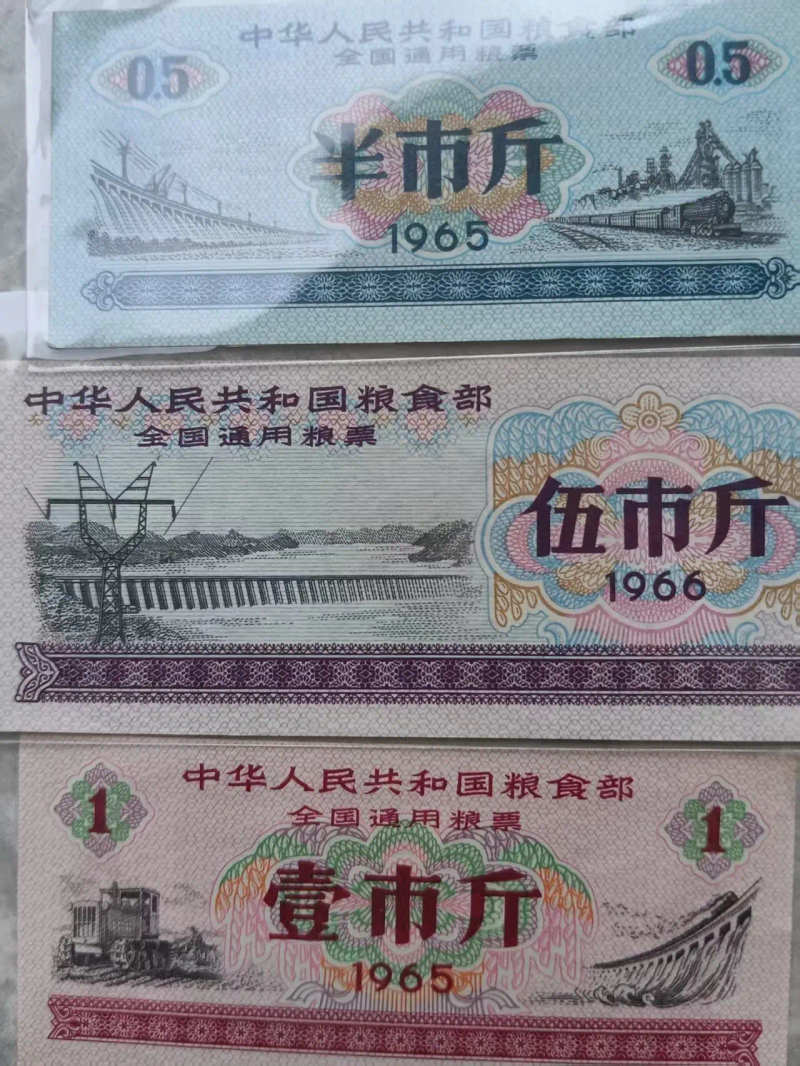
The chinese general food bill (1955-1993) is not only a physical testimony to the planning economic era, but also a social memory of special historical times. Its collection values complement historical significance, reflecting changes in the economic system and influencing the cultural perceptions of the present generation。
- i. Value of collection: from economic value to cultural investment
1. Factors influencing market values
- scarcity: early editions (e. G., first edition of 1955), special denominations (e. G., military food stamps, big market bills), unissued sample or misprinted tickets, with prices ranging from hundreds to thousands。
- portrait: new, unused, non-repeated, non-smuggling food stamps are of higher value, and the difference is likely to be worth only a few dollars。
- sets: full-year coupons (e. G., 1966 set) have more potential for appreciation than single sheets。
- historical background: food stamps for three difficult years (1959-1961) and for the period from 1966-1976) have received increased attention in particular historical contexts。
2. Market trends in recent years
- general food stamps: national food coupons of the 1960s-1980s, in large circulation, are suitable for collections of friends。
- precious varieties, such as the first edition of 1955, the military food ticket, the food ticket in the language (in the name of mao), which is of higher value。
- misprinted tickets: misprinted or sampled tickets, which are scarce and can be auctioned for more than millions。
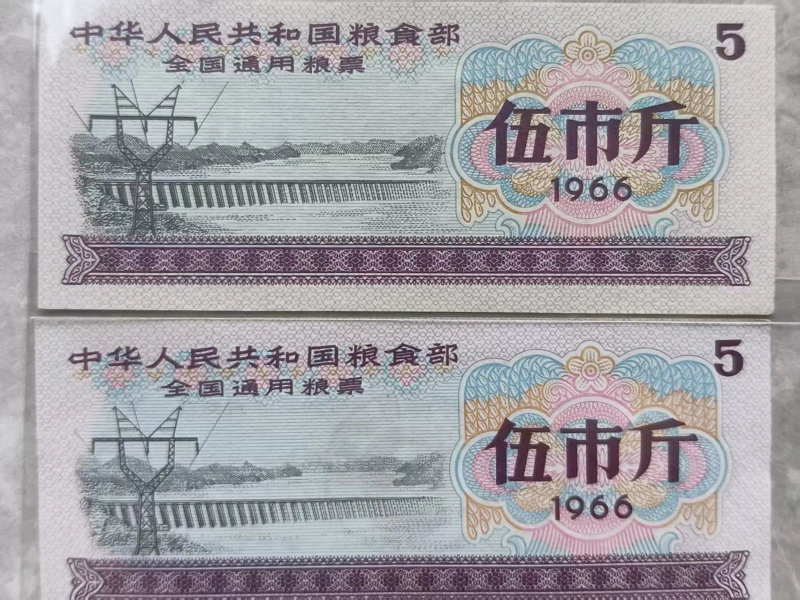
3. Collection recommendations
- focus on quality: priority is given to non-destructive, non-distributed and colourful food tickets。
- study groups: differences between years, printing houses, teeth can affect values, as can be seen from the chinese food note。
- vigilance: there are forged “precious food stamps” on the market, which require the identification of authenticity through paper, printing details, etc。
- long-term holdings: as time passes, the amount of life in the world is reduced and the scarce varieties may appreciate。
---ii. Historical significance: from planned economy to collective memory
1. Significance of the economic system
- “identity card” for the planned economy: food stamps are a direct expression of the policy of “subsidiary sale” and represent overall state control over food distribution。
- supplementary to the monetary function: under the planned economy, the food bill is tied to the renminbi, creating a two-track system of “money plus votes”, which discourages free trade in the market。
2. Reflecting the social fabric
- the dichotomy between urban and rural areas: farmers have difficulty in obtaining food vouchers and urban residents have been able to obtain household vouchers, increasing the rural-urban gap。
- identification of status and well-being: the quotas for food stamps vary from occupation to grade (e. G., workers, cadres, military personnel), implying a social hierarchy。
3. Carriers of human memory
- a microcosm of the shortage economy: during the time of the food coupons, the habit of “saving” was developed, and many families responded to the famine by “savings”。
- survival strategies for special periods: three difficult years, when the trade in black-market food stamps became widespread; during the times of the revolution, food stamps were marked with political slogans and became ideological instruments。
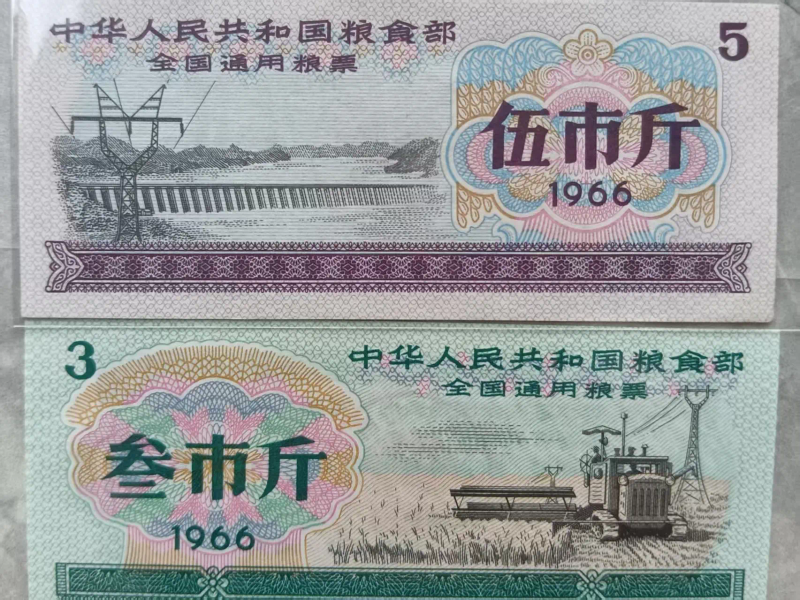
4. The turning point in the reform of openness
- significance of market reform: the cancellation of the food bill in 1993 symbolized china's move from a “distributional economy” to a “market economy”。
- the continuity of collective memory: the old generation often teaches future generations to cherish food with a “food ticket story”, which becomes the symbol of “remembering sweetness”。
- iii. Summary: the dual value of collections and history
The view, core values, contemporary meaning, economic collections, scarcity, looks, layouts determine market prices, suitable for long-term investments, reflecting a pattern of cultural value appreciation
History research, planning economy, food policy, social structure, understanding the transition from shortage to abundance in china
Cultural memory, collective life, changes in people, symbols of the times, teaching future generations to cherish food and to pass on historical memory
Conclusions
The value of the chinese general food ticket collection lies not only in economic returns, but also in the historical memory it carries. For collectors, it is a non-renewable historical relic; for researchers, it is a key object in the interpretation of the planned economy; and for ordinary people it is a memorable history of life. Over time, the scarcity and cultural significance of food stamps will further increase into a special collection of both market and social values #new era story project#