100,000 for odie a. 60. 2 million for maserati, sounds like heaven and earth, but that's the real offer of the recent second-hand luxury car market. The price jumps are real, but there's a deal that most people can't figure out. The core judgement is that the second-hand luxury car is undergoing a remodelling of the price system, but the switch is far more risky than the leaking surprise. This is not a finding in the heart of the car business, but rather a result of the combination of supply and demand on the market and the cost of holding。
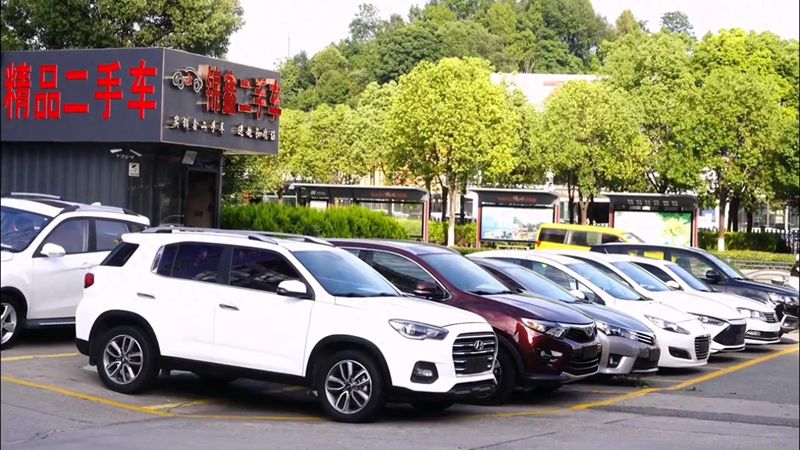
The evidence is straightforward, the price of the new car continues to be under pressure, and the new a6 car has been given unprecedented advantages, which have directly reduced the price-added space for old used cars. The sales of new cars such as masalathi’s super-luxurious brand would have been weak, and second-hand car dealers would have been more expensive when they had collected them, knowing that the turnover was slow, that the cost of spending money was high, and that numbers would not have been lied. The price offered by the car dealer suggests that they would rather earn less than lose it quickly。
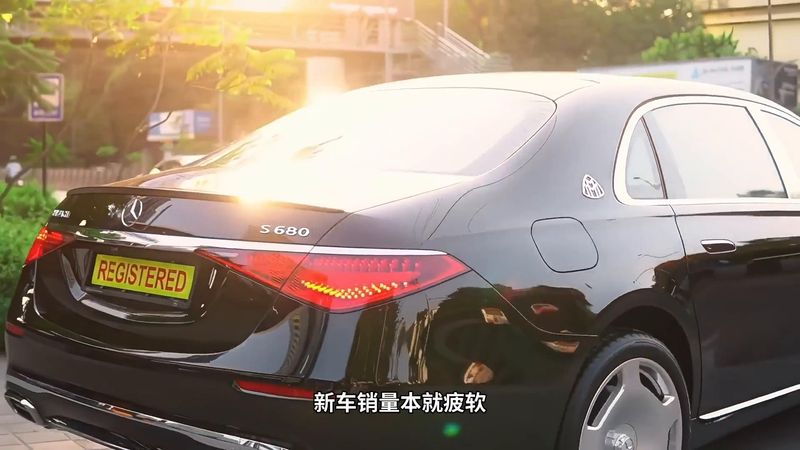
Why is this happening
• the first is the fact that the market for new cars is constantly falling prices and that used vehicles are not seen at all if they are still at their original high prices。
• the second tier is due to the fact that the cost of car farming deters potential buyers. The cost of insurance, maintenance and repair of luxury cars is based on the original price, and the purchase of 100,000 audi a6 for one major maintenance may cost 230,000, not counting the waiting period for spare parts and the rate of depreciation. Ordinary people can afford, but not necessarily sustain, and the only chance of change is for some of the drivers to start providing extension or third-party testing reports to increase confidence, which does not solve the underlying problem。
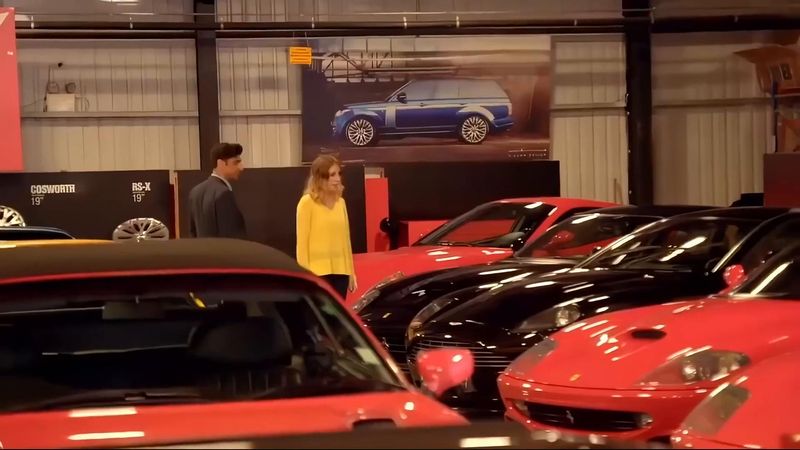
The real constraint on this price raging is the complexity of the electronic system and mechanical structure of the luxury car, which may cost the savings once the cost of the insurance maintenance is sufficient to offset the difference in the purchase price。
In the end, the price of the second-hand luxury car crashed, not because the market had been kind, but because it had returned to the instrumental properties. When the cost of holding a car is higher than its useful value, the lower price is only the beginning and not the end。