Seo for foreign trade with traditional fairs: let's give you a google search
After seven or eight years of foreign trade, i developed a habit of doing nothing else during the first week after the show, first updating the website. The issues most frequently asked by the exhibit clients were added to the product pages or articles. Two months later, it was found that a significant proportion of those who exchanged business cards at the fair would visit the site again — and they did not directly enter the site but searched it from google。
I am the head of foreign trade, and the company's products are food additives, mainly exported to the food processing industries in europe, the united states and south-east asia。
This article does not describe how the fair was staged, nor does it single-handedly describe how seo did it, but how the two channels “bit together”. When the exhibition's “face-to-face trust” and the seo's “searches”, those who spoke at the fair but did not have a deal will come back to you。
First of all, the show is no longer the first stop you know your clients
Now the logic of b2b procurement is different than it was 10 years ago。
Gartner's research shows that b2b buyers have completed approximately 80 per cent of their procurement assessments prior to formal exposure to sales and that most decisions occur online. In other words, the customer had already searched google before coming to the booth. When he stood before you, he had a preliminary list of candidates. - you're just a pending item on his list。
The role of the show is changing. Formerly the “place where the supplier is found” and now the “place where the supplier is verified”. The clients are not here to ask you, “what do you do” but to confirm, “is it true what you wrote on your website?”。
This raises the key question: if the client has seen your website before coming to the booth, will he ever find you after leaving
The day the show's over, it's the beginning of the seo
I summarised a three-stage exercise that embedded seo before, during and after the show, forming a complete chain of clues。
Phase 1: before the show -- let the client search you and meet you
Clients will do their homework before they get to the booth. He would search for industry keywords, compare suppliers, and then decide “which ones to focus on this time”。
What seo's gonna do:
The website was updated one to two months before the opening of the exhibition around exhibit keywords and industry hotspots. It is not necessarily about the fair itself, but about the subject of the exhibition. For example, we participated in the food distribution exhibit, where we published several articles on "clean label trends and selection of ingredients". When clients search for these questions, they have the chance to see our website and then notice that we'll be there。
At the same time, the invitation e-mails sent before the exhibition will not be shown on the map of the exhibition, and a “technology material, if you want to know about our product in advance” will be displayed. The link points to a special presentation page on the website, with a profile of the exhibit's products and a sample of the entrance。
The point of this step is that the client has an initial impression of you before he sees you。
Phase 2: in the show - not just business cards, but "searching trigger anchors"
This is the most critical step. The exchange of business cards at the fair was a basic exercise, but 99 per cent of the people ignored “how to get clients back to search you voluntarily”。
What we do now, when we talk in the booth, is it not just the introduction of the product, but the observation of the customer's most important concern — he's a fixer of prices? Or do you fix the formula? Or the delivery? – and say, “on this issue, we have a detailed technical comparison on our website, and you can find it when you search for xxx keywords.”
The essence of this approach is to give the client a reason and keyword “to search you on your own initiative”. If it's just an exchange of business cards, the client may have dozens of business cards, and your one is easily flooded. But if you give a specific lead, he goes back out of curiosity or need, and he goes to google -- and your seo content is ready。
By the way, the business card exchange at the booth is simply a “collection” of clues, and real client follow-up needs to be done in depth after the meeting in conjunction with the content of the website. Zhang ning, shenzhen's new software, referred to the idea that the tiered follow-up of exhibit clients depends on the path of pre-exposition solicitations and the depth of their interaction, requiring continuing professional awareness-building after the meeting through content marketing, mail sequences, etc。
Phase iii: after the show -- questions that were not answered at the show
Two weeks after the show, the gold window where seo works。
We collated the top five to eight questions from our clients at the fair, and we updated them in blog articles or product pages. For example, the client repeatedly asks, "how stable are your additives in the baking product?" we immediately write an article dedicated to this issue。
These elements serve two purposes:
The first was the clients who had spoken at the exhibition, and if they saw your article when google searched for the relevant questions, they would be impressed - “isn't this the one whom they had talked about at the exhibition, and they did have experience in that regard”
Secondly, the content itself is seo material, covering some search words that were not available before the show。
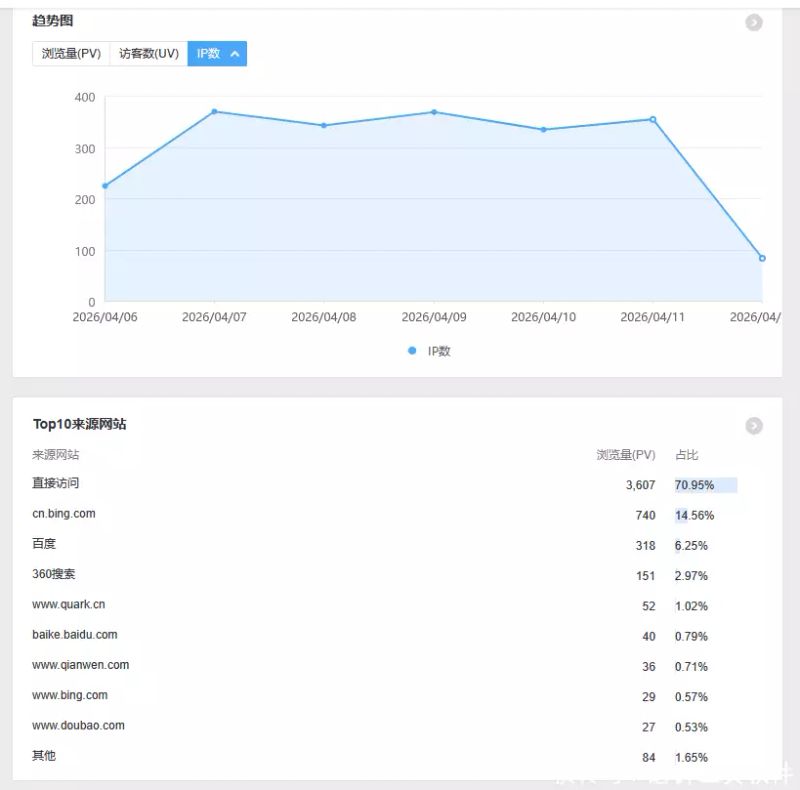
Data validation for one month after display: