A solid comparison of reality:
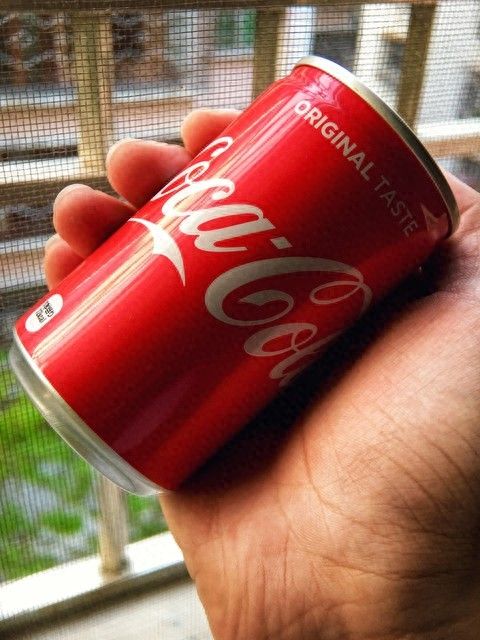
In 1992, a bottle of coca-cola was $2。
More than 30 years ago, by 2026, there were many places where coke still cost $2。
Prices are rising, rents, food prices, milk tea and fast food are rising, except for coke
It's just another world。
In the 1990s, the big brother, one for 230,000, ordinary workers for hundreds of dollars a month, a mobile phone for a house, was a luxury for the rich。
Cell phones were rare items, and ordinary people couldn't afford them。
Decades of technology, with comprehensive upgrading of chips, screens, cameras, algorithms。
Technological progress should, logically, make products cheaper。
But what about reality
The entrance is now one and two thousand, the medium end is two and three thousand, the flagship is five and six thousand, seven and eight thousand, and the folding screen is in the order of ten thousand。
It has also grown over the decades, with coke on a scale that stabilizes prices; and the mobile phone sector, with high prices。
Some people would say that mobile phones have become more functional and worth it。
That's true, but it depends on reality:
Coke formulations and processes are also being upgraded, and packaging, transport and raw materials costs are all rising, while pro-people prices are still being maintained on the basis of large and small sales。
Cellular hardware is also improving, but now mobile phones are piled up with parameters, piled up and sold at a crazy high price。
The phones used to be used for three or four years, and now many people have to change in two or three years。
The transition is getting faster and the consumption threshold is getting higher。
Also in the market sector, there are two very different outcomes。
Coke did it: technological advances and low-cost dividends for the population。
The mobile phone industry has turned into technological advances and higher costs for consumers。
Coca-cola has been priced for decades, not without cost pressure, but rather because it does not dare to increase prices, and once the price rises, consumers turn to the competition。
The mobile phone industry continues to push up the ceiling, and the higher the size of the machine becomes more expensive, raising the consumption threshold。
Times are changing, technology is improving。
The more the real good industry develops, the more the ordinary people benefit。
Instead of being technologically advanced, ordinary people buy it。
A small bottle of coke reflecting two completely different business logics。
Product upgrading is possible, but technological progress cannot be transferred to consumers for payment。