I. Election of the land
It is advisable to choose watermelon cultivation with easy drainage, deep earth cover, soil estration, permeability and organically rich sandy earth fields, which cannot be linked to thorium crops. Based on the growth needs of the watermelon, a two-metre-wide glare is made on the identified plots, deep and 30-centimetre-wide ditches are dug in the middle of the girdles and applied to the base fattening in the gutters, which are then filled back to the ground to reach a depth of 15 cm。
Selection of good castes
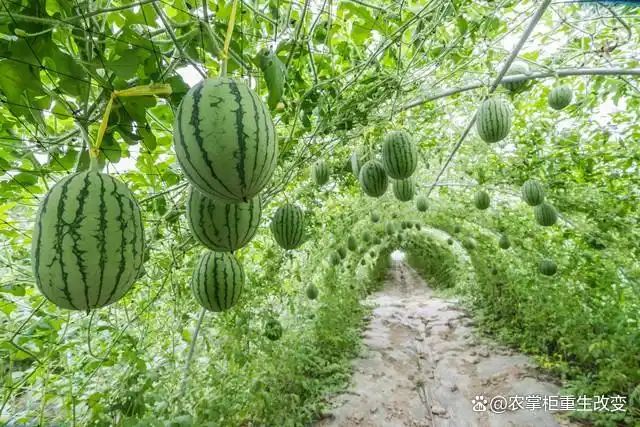
The choice of watermelon varieties depends mainly on market demand, adaptation of varieties and resistance to disease. High-yield, high-quality, disease-resistant and manageable watermelon varieties adapted to local climate, soil and market needs。
Iii. Equipment
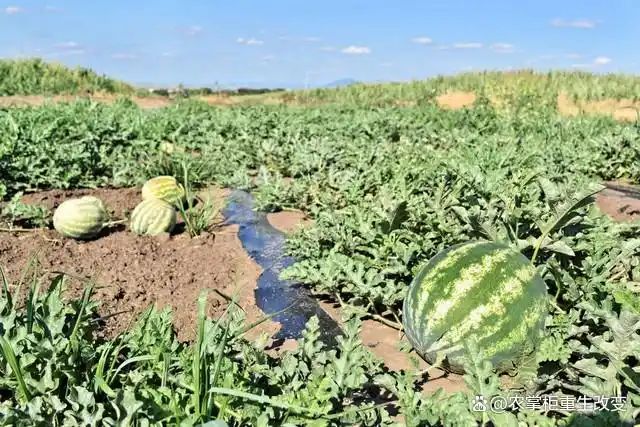
The seeding period for watermelons usually occurs at a time when spring temperatures are above 15°c, usually between february and march. Before planting, seeds are selected and disinfected, healthy, full seeds are selected, impregnated with 55°c water for 15 minutes or 40% formaldehyde for 30 minutes. Sterilized seeds are washed clean with water and dryed and then planted on ready-to-dry. A reasonable distance between seeds is ensured when seed is planted, normally 500-600 plants per acre, with a distance of about 30-40 cm per plant. After seeding, a membrane is to be covered on the oscillation to maintain soil moisture and temperature and to promote seed growth and growth。
Scientific fertilization
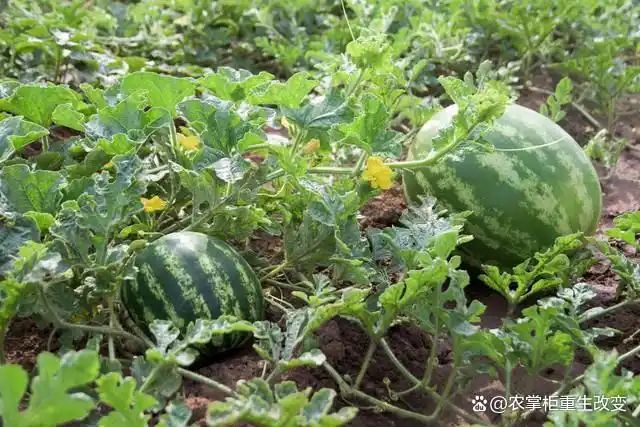
Watermelon growth requires a great deal of nutrients, and fertilization is key to its normal growth. In the application of fertilizers, the principle of organic and complementary fertilizer is followed, while care is taken to control the use of nitrogen fertilizer and to prevent the occurrence of pests and diseases as a result of the fast growth of watermelons. In general, each acre can be used as a base for the application of 1,500-2000 kg of decomposition farm weight and properly followed during growth. In pursuit of fertilization, chemical fertilizers such as compound fertilizer or urea may be selected, but the distance to the watermelon and the amount of fertilization may be avoided。
V. Equitable irrigation
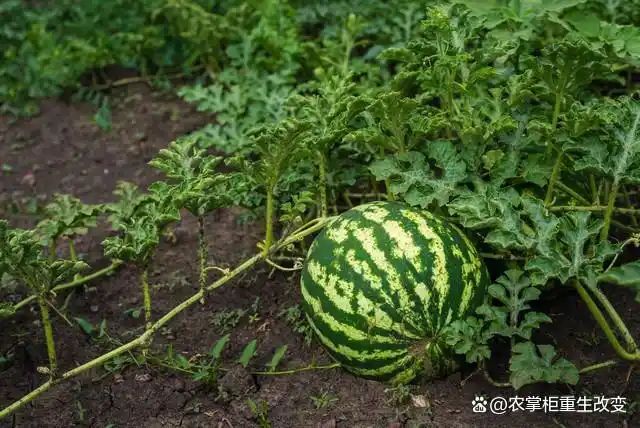
Watermelon growth requires sufficient moisture, but water is also required at different stages of growth. Before seeding, soil moisture should be ensured to facilitate seed growth and growth. During growth, rational irrigation is carried out on the basis of watermelon growth and soil moisture. In general, during the flowering and fruit expansion periods of the watermelons, more moisture is required and irrigation is appropriately increased. At the same time, care should be taken to avoid over-irrigation leading to heavy soil moisture and disease。
Vi. Combating pests and diseases
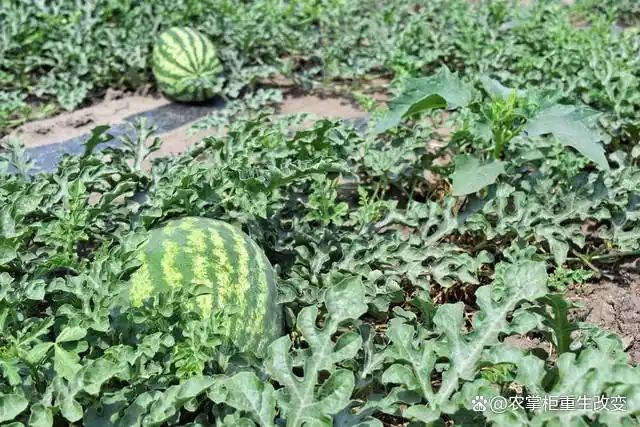
Watermelons are often affected by pests and pests that affect yields and quality. Combating pests and diseases is therefore an important part of watermelon cultivation. It is important to strengthen field management and improve the resistance of watermelons to disease, in accordance with the principles of prevention and integrated treatment. At the same time, timely detection and treatment of pests and insects is required to prevent their spread. Effective, low-toxic and low-residual pesticides can be selected for prevention and strict control of the volume and time of use to ensure safety and quality。
Vii. Receiving in time
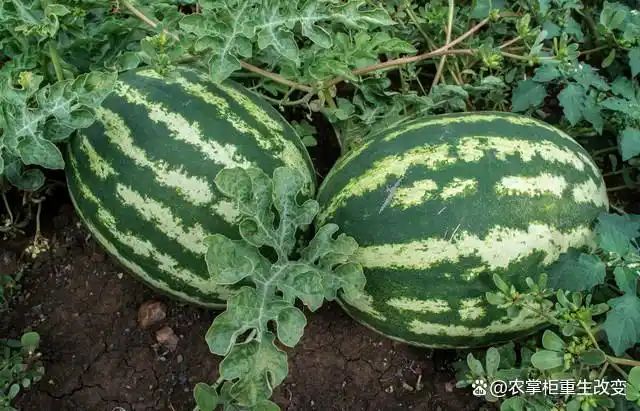
The maturity of the watermelon and the timing of its harvest have important implications for its quality and taste. In general, watermelon can mature for harvest approximately 30 days after flowering. The harvest is carried out in the clear weather to avoid the occurrence of the disease as a result of the rain. Care must also be taken not to damage watermelons or their quality. Watermelons after harvest are sold or stored in time。