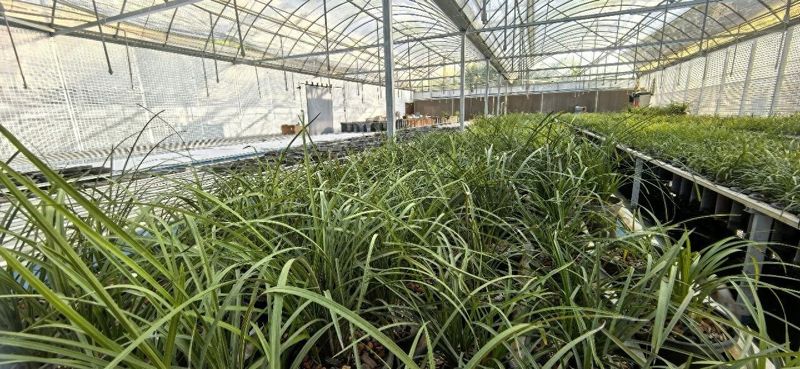
The ancient genre values the protection of the summer and autumn luminous tube, and traditional cultivation uses bamboo and reed curtains to filtrate the shades and to prevent the tan of the sun. This is a long and well-established experience of past genres and is a key technique for matching orchids with light, flashing light, and the culture of direct light. Compared to active forced cooling equipment, such as aqueous windmills, physical shades of the sun can effectively reduce the temperature increase in the sheds from the source, avoid temperature changes due to mechanical cooling, gas flow disorders, plant stress, etc., and can stabilize the maintenance core logic of soft and radiant environments similar to those under the wild forest, with a high degree of alignment with natural orchid cultivation. A two-year, uninterrupted collection of photosynthesis and cultivation data allows it to be established that the orchids naturally cultivate suitable light areas between 10,000 and 30,000 lux. The long-suffering orchids that grow in this illuminating zone are of particularly high quality in their overall performance, with green and full-massed leaves, thick and thick leaves, compact, short and unwieldy strains, and a steady and steady increase in the overall resistance, heat tolerance and disease resistance of the strains, which have built a solid seedling base for natural cultivation patterns that do not rely on equipment to cool in extreme temperatures。
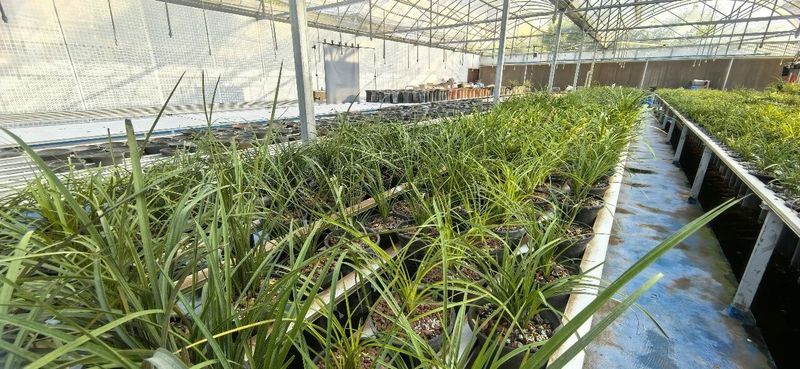
In the middle of the summer, only three hours of cooling aided by aqueous windmills were opened in the extreme conditions of the blue room, which rose to 39°c, and then remained normal and steady growth of the blue plant without the cooling equipment, a plant-breeding gas that was not coarsed with management and blind risk, but derived from year-to-year progressive accumulation of seedlings and real searchable environmental data. The construction of the resistance of the orchid is a gradual step-up of the gradient and cannot be achieved overnight. The basic seedlings were completed last summer to adapt orchid plants gradually to a high-temperature, high-lighting environment in the summer, and to build basic, heat-resistant and dissatisfied plant mechanisms. Based on this year's steady increase in the intensity of seedlings, the optimization of the solar-controlled pacing and density, the continuous exercise of the tolerance limits of the plant, and the formation of a system of science-based, sustainable and iterative seedlings conservation. After two years of gradation and scientific deposition, the roots of the plant are well developed, strong and robust leaves, well-established and stable, and the combined capacity to withstand high temperatures, high humidity and stifling has increased significantly. It has also made the high temperature and steady production model of pure physical sunshield control and natural cultivation throughout the process a well-established and replicable physical exercise。
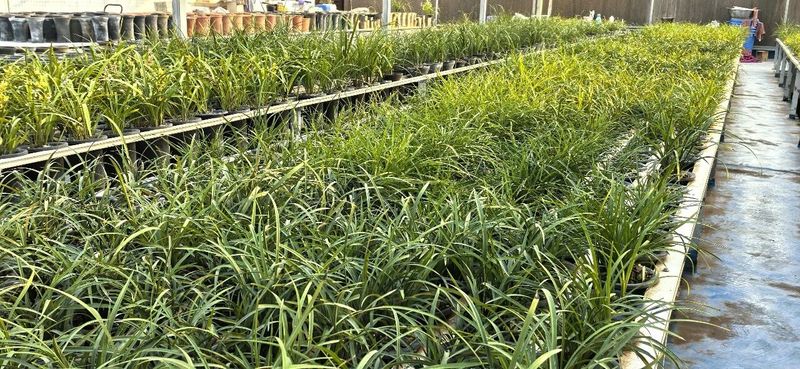
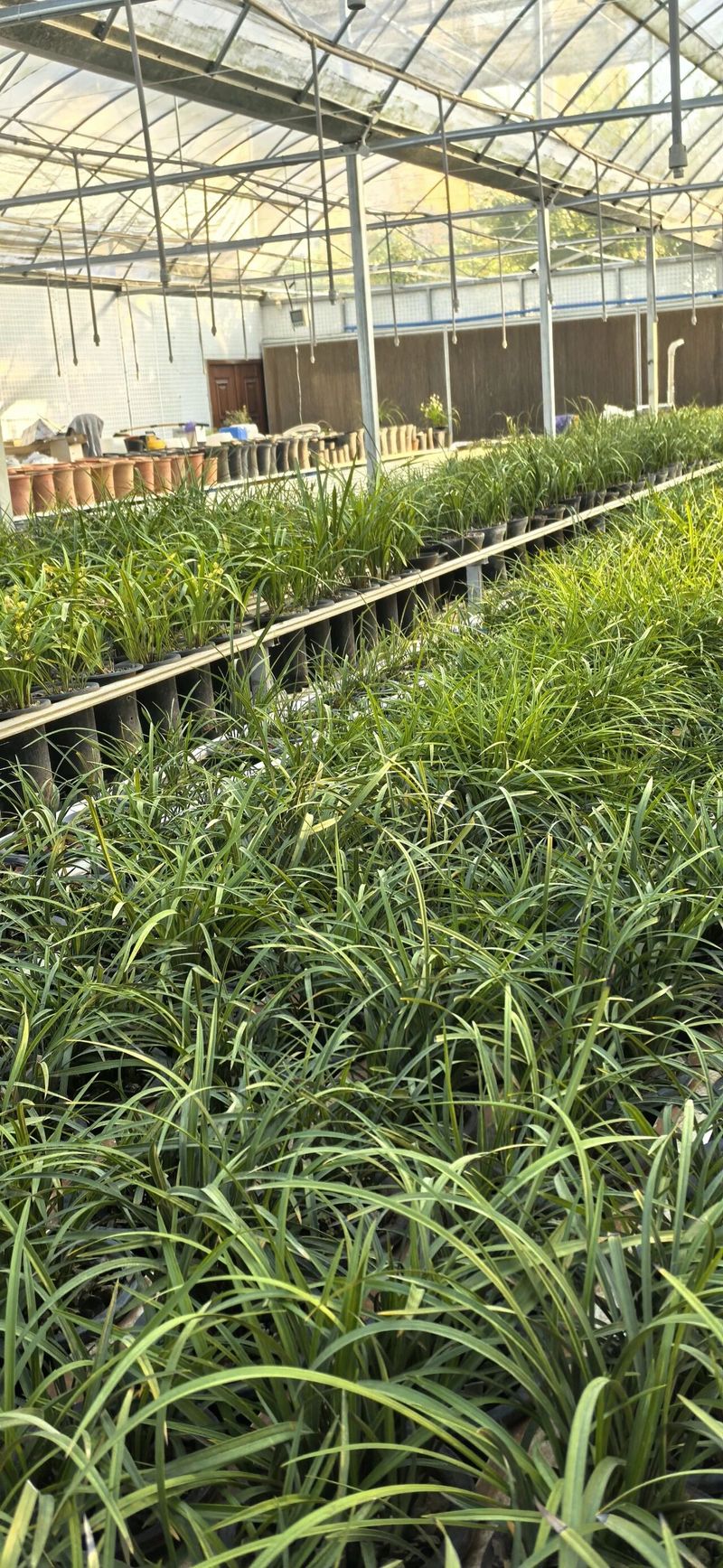
Separatization and regulation of the external double-layered sunnet is a central tool for stabilizing the blue room micro-environment, the effects of which have been fully demonstrated in summer planting practices this year. When the monolithic sunnet is fully opened, the blue indoor light is maintained at more than 20,000 lux, in the best mid-range between suitable light areas of the orchid, sufficient to meet the nutrient accumulation needs of the orchid for daily light cooperation, to ensure normal growth, and to effectively avoid such problems as the extreme warming of the folic burning shed caused by strong light. In extreme high-temperature weather, the double-layered sunnet is spread and the indoor light returns to around 12,000 lux, which is suitable for hot weather protection needs, effectively resists strong photothermal radiation and inhibits the accumulation of temperature from the source. Under the dynamic control of the double-layered sunnet, the temperature of the shenzhen chamber has been stabilized over a long period of time between 30°c and 39°c, and air moisture has been maintained at more than 50%, resulting in a warmly balanced, high-quality shed environment for the growth of the formulations. In high-temperature environments, where the evaporation of the orchids is strong, a reasonable humidity of the shed can buffer high-temperature coercion and guarantee the smooth operation of the plant's biological metabolism. It not only allows the plant to stay in the summer, but also enables the gills in the shed to achieve a high level of staff cover, which intuitively confirms the optimal use of physical shade control on the microcosm of the entire shed。
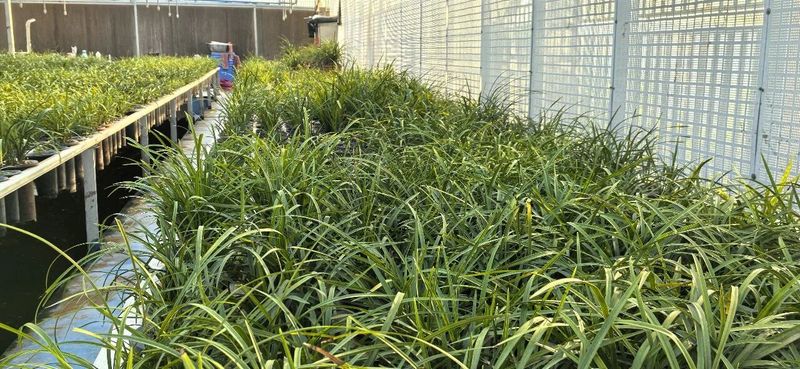
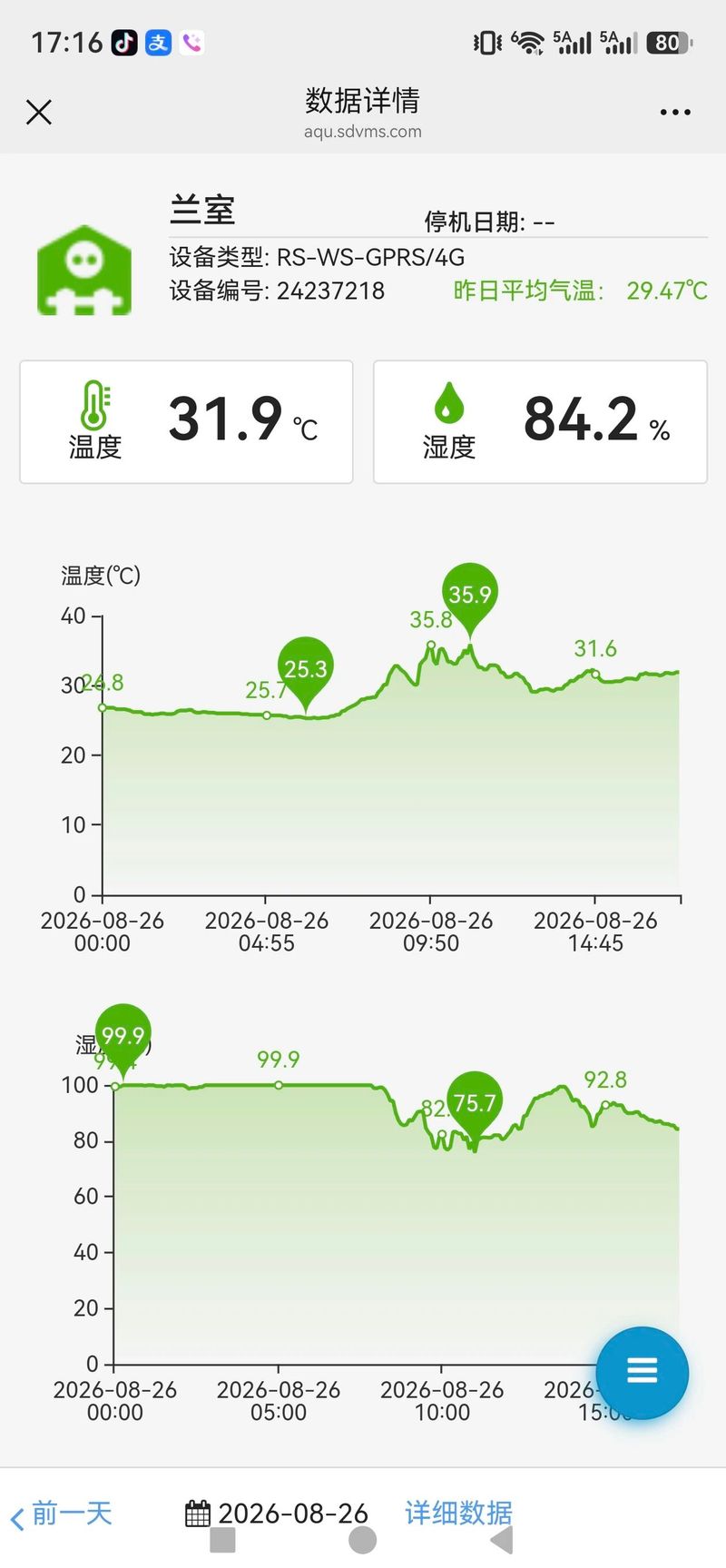
The density of coverage and the number of condensed layers of the sunshield are central to determining the temperature rise and fall of the shed, the weakness of light and the balance of humidity, with a direct impact on the long standing of the plant and its environmental stability. The over-density of the sun and the over-light and the weakness of the light in the sheds can lead to inadequate luminous luminousness and accumulation of nutrients, which in turn can lead to problems such as long leaves, thinness of leaves, looseness of strains and weak resistance; insufficient shades of the sun and high temperature radiation cannot be effectively protected, and can easily lead to foliage burns, hot spots of the sheds, heat and humidity on the ground, ultimately leading to a lack of oxygen and atrophy of the plant. Only by adjusting the density of shades in the light of the changes in the weather of the day can the objective of scientific control of steady growth be achieved. In order to further improve the accuracy of plant management, modern orchids naturally develop a web-based monitoring device for the use of acrystals, provide real-time dynamic monitoring of key indicators, such as light intensity, ambient temperature and air moisture in the sheds, maintain all-weather patterns of environmental fluctuations, adapt flexiblely the number and length of open layers of the shade network to real-time temperature, light intensity and wind conditions, and dynamically optimize the care programme, completely free from traditional empirical, blurred management panels, and achieve data integration, precision and controllable scientific breeding。
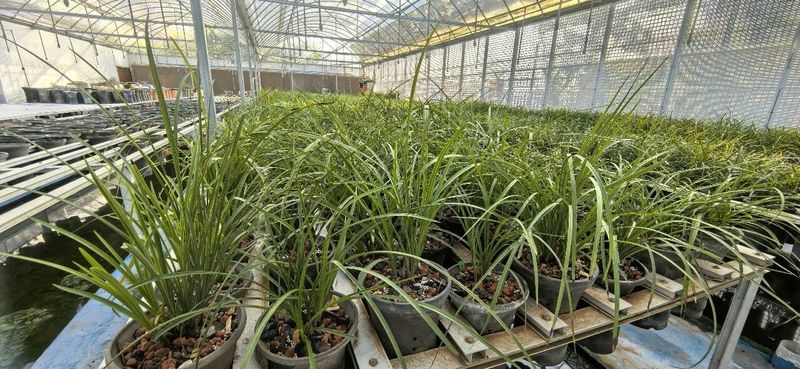
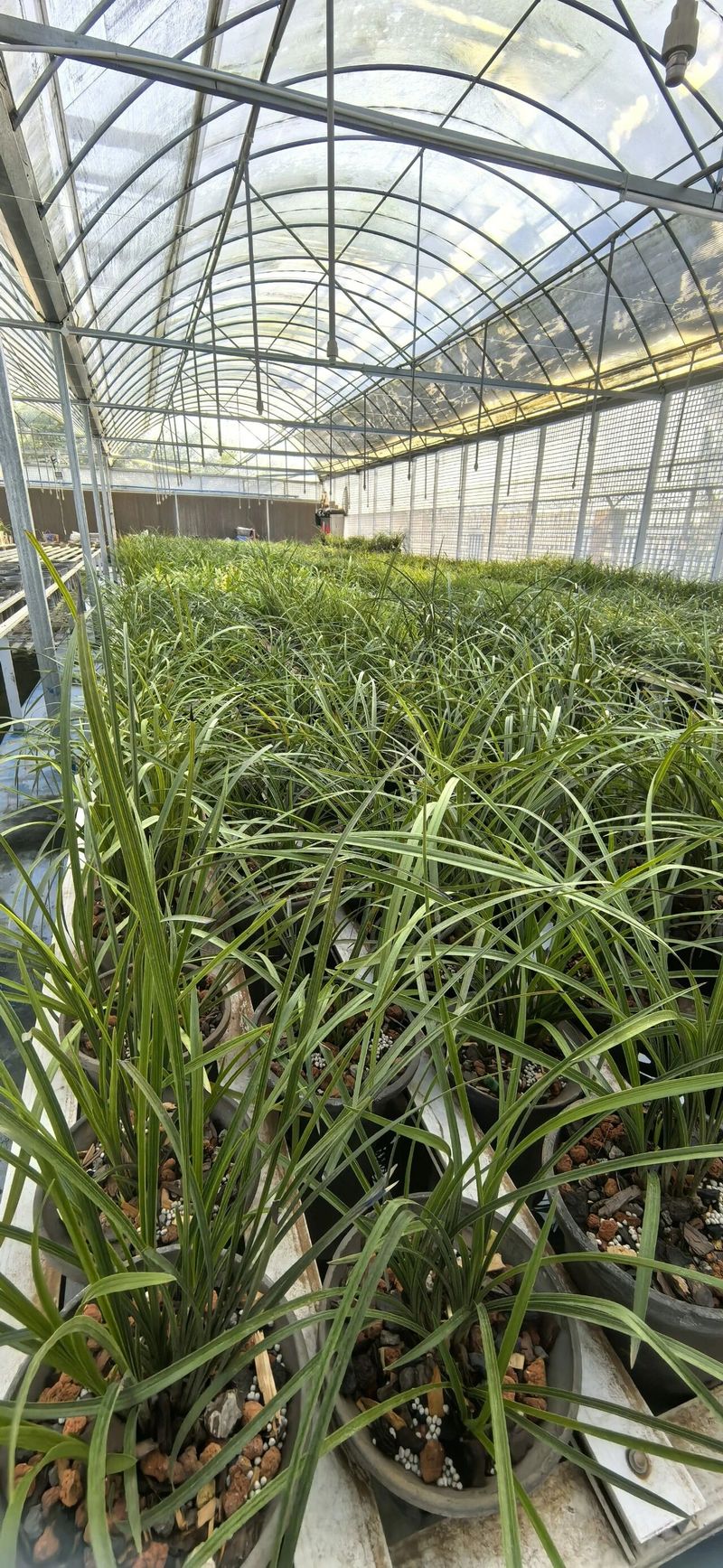
The current summer season will continue with the stifling of tigers in the fall, and day-to-day management will have to adhere to the priority cooling principle of sun-shielding, relying continuously on double-layered sunnets to stabilize the shantytown microcosm, consolidate two years of seedling production and maintain a strong and full range of orchids. At the same time, zoran management requires forward-looking thinking and, at this stage, after high-temperature, high-humid autumn weather, the problems of dry air and low humidity in autumn and winter will highlight the core risks that follow-up conservation needs to focus on. In response to the dry climate characteristics of the autumn and winter, the enhanced wet water recharge programme can be optimized in advance, using short-term micro-jet piped care, with only a ten-minute single-minute small-water indoctrination, with the main objective of increasing local air moisture in the sheds with a wet-basket surface, effectively mitigating dry air water loss from the blue leaf and root system, without increasing water retention within the pellets, avoiding the root causes of long-term damp soil, stubble roots and various fungi diseases, and achieving a smooth transition from the summer to the fall to the fall, guaranteeing coarse conservation of dry and wet balance throughout the year。
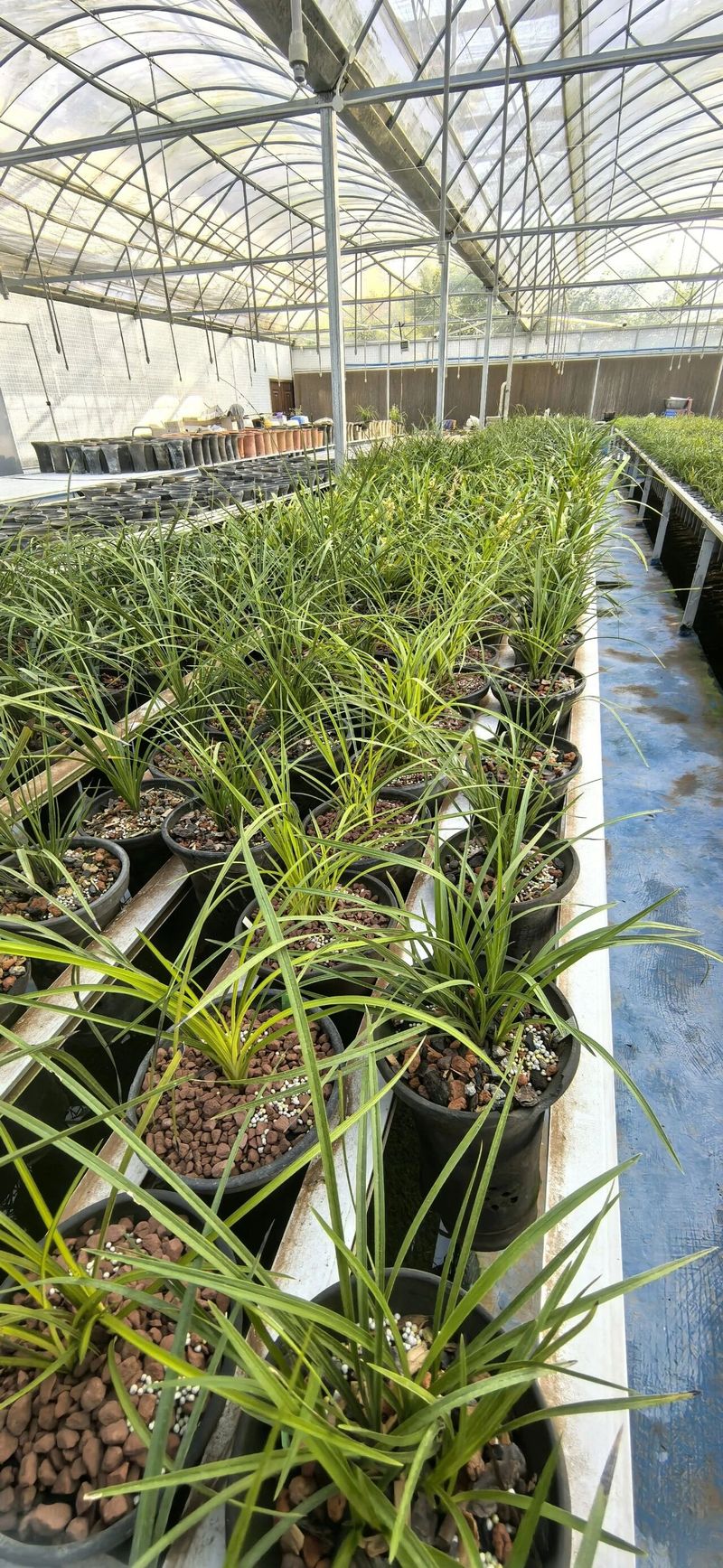
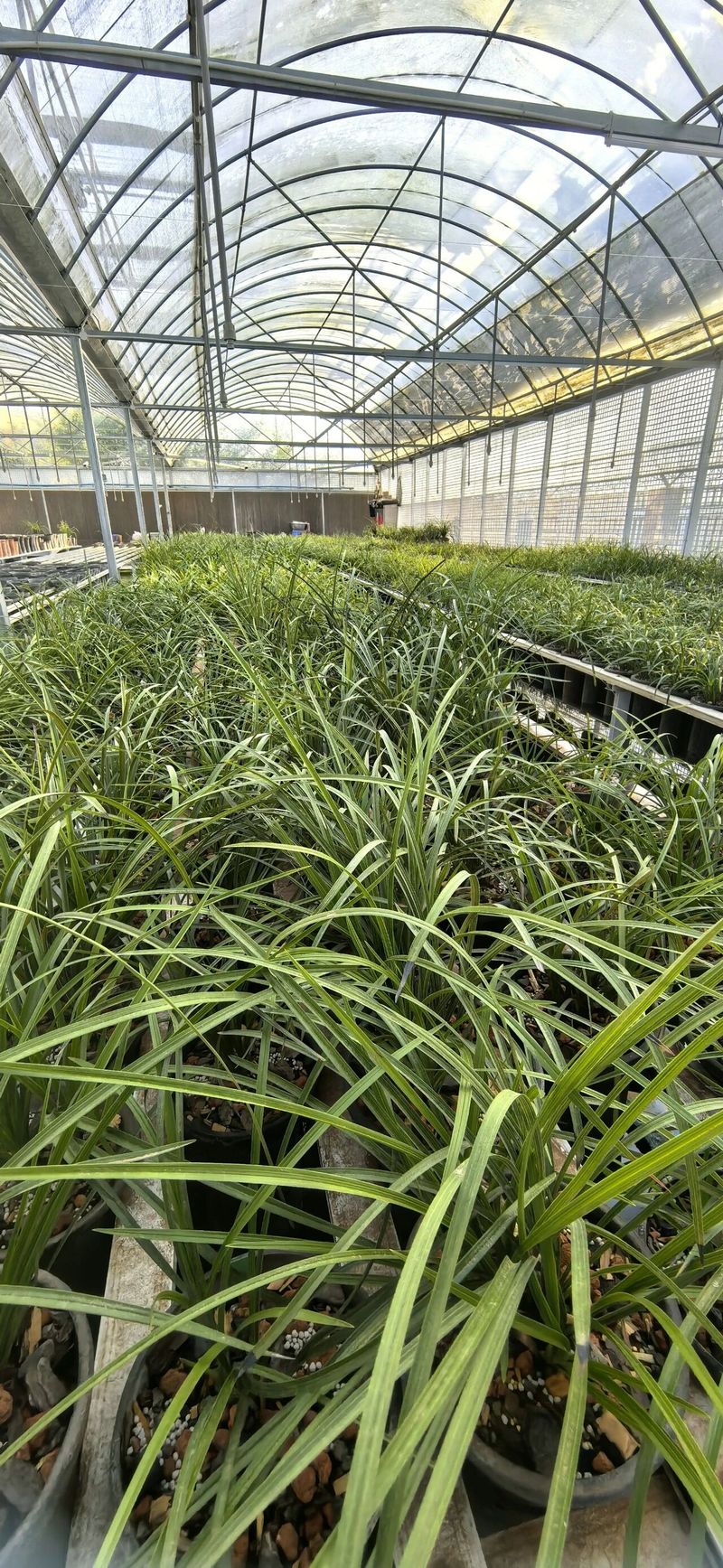
In combination with the whole summer and autumn planting cycle, physical shades are the most safe and stable, efficient and appropriate of orchid natural cultivation, the preferred mode of cooling, combined with controlled temperatures, filtration, seedlings and a stable environment. The ancient artland concept of shades provides a solid empirical foundation for modern natural cultivation, while modern networked data monitoring and stratification solar control techniques have further improved the crude natural cultivation system. Through a gradual year-by-year process of seedlings, flexible shade-density controls are able to continuously enhance the integrated resistance of the plant and promote its growth and steady improvement in quality. Natural orchid cultivation, in order to achieve a stable production quality, must always adhere to the core principles of the sun-shield priority, adapt management strategies to the dynamic measurement of environmental data, adapt conservation measures to the climate change pattern of twenty-four aerodynamics in advance, and gradually exercise the resistance of the strains, so as to produce strong leaves, long-quality, resistant and robust plants, and truly achieve natural-cultivated science-based and easy-to-malland breeding. July 14th, july 2026. 8. 26
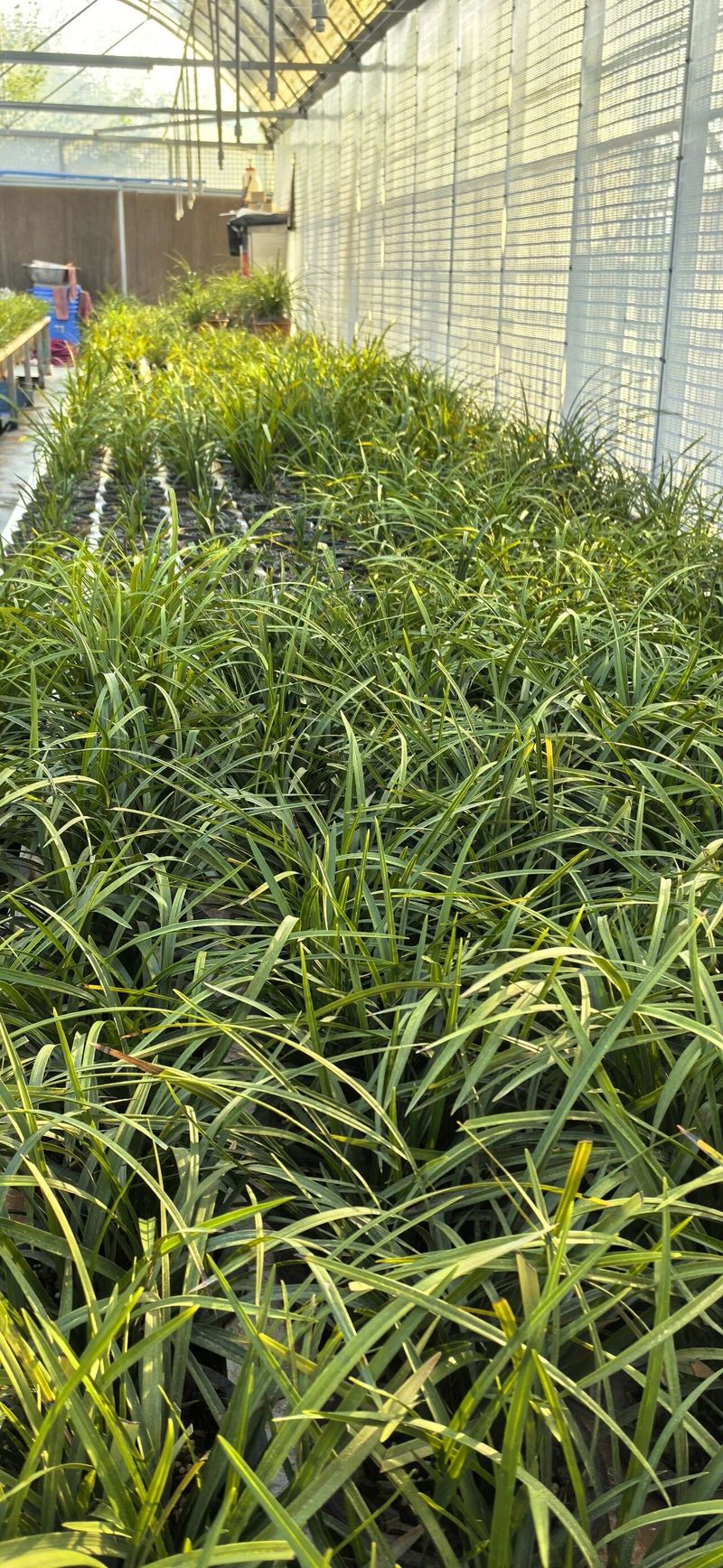
Note: this map is the scene of the bathing of orchids in an oblique light at 8 a. M. On 25 august 2026。