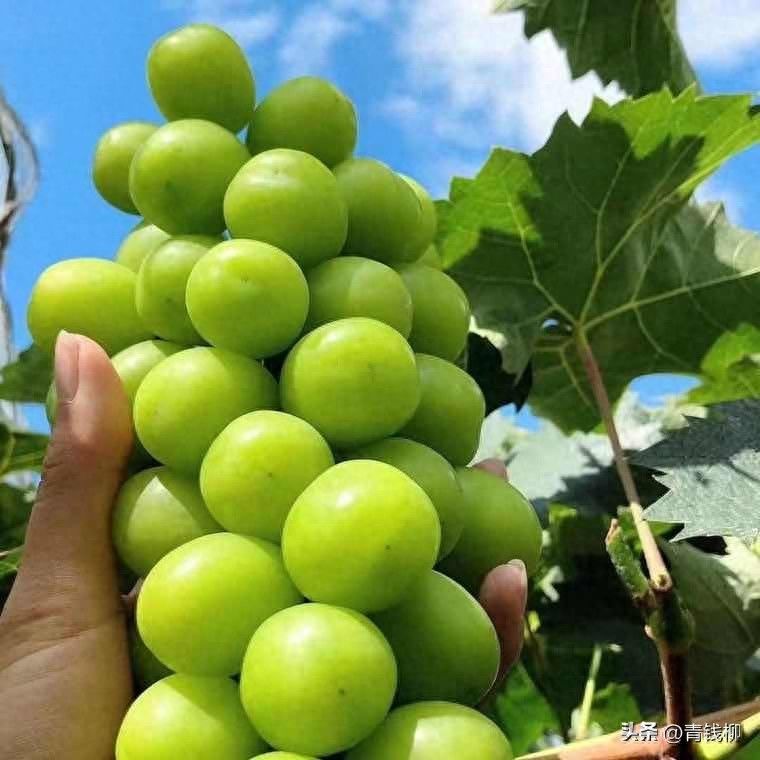
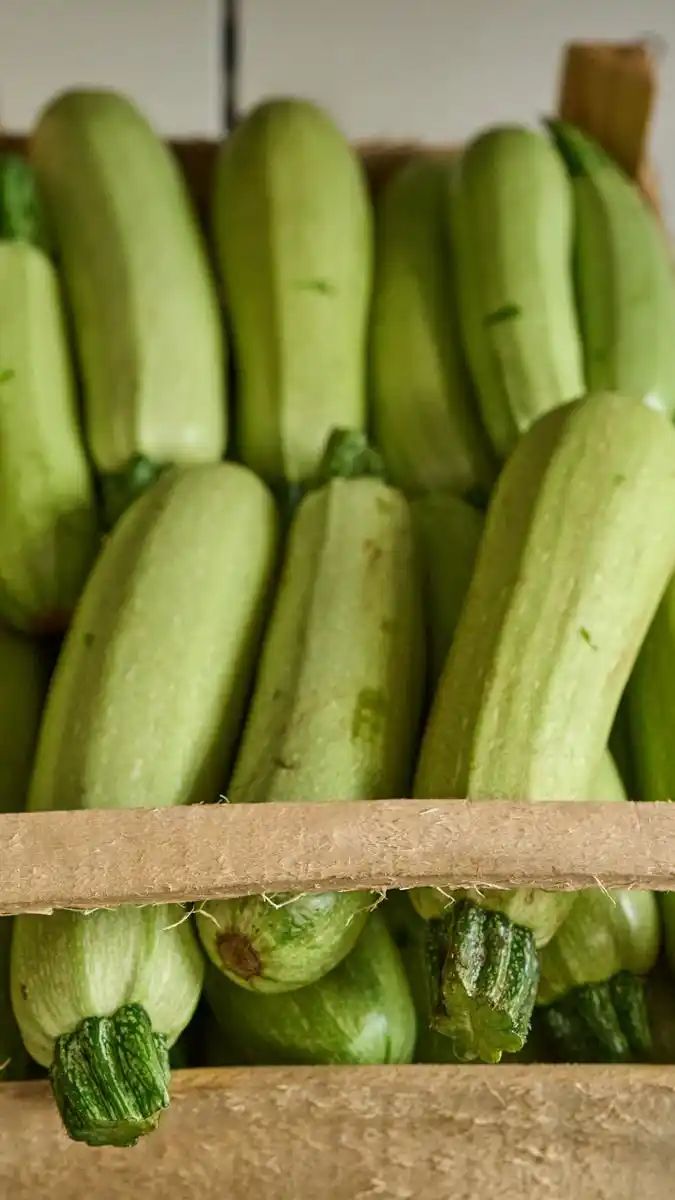
In november, the wind on gobi beach was already cold, but in the greenhouses in ray's village in tunnelport, there was a spring of "anti-season" in seven days, the vines will be filled with green and full-filled seagulls, with warm vegetables in them. This is not an ordinary vegetable harvest, but rather a vivid sample of north-western drylands that use technology to break the seasonal barriers: a single shed of 8,000 pounds of production, a $2. 4 per pound wholesale price, and nearly $20,000 in income, which not only increases farmers' “hot” returns in the cold winter, but also keeps the sunsung “basket” fresh in spring at zero temperatures。
I. From “windland” to “windland”: “technology breakout” in the north-west gobi
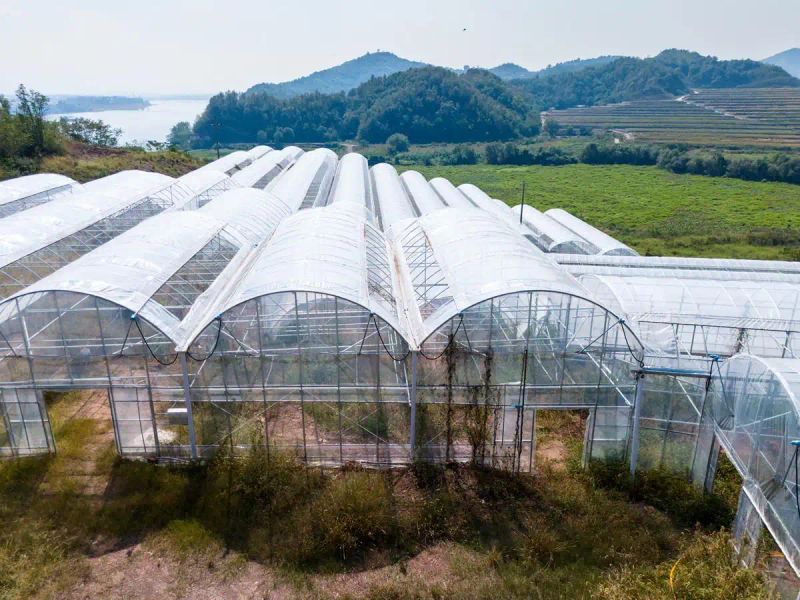
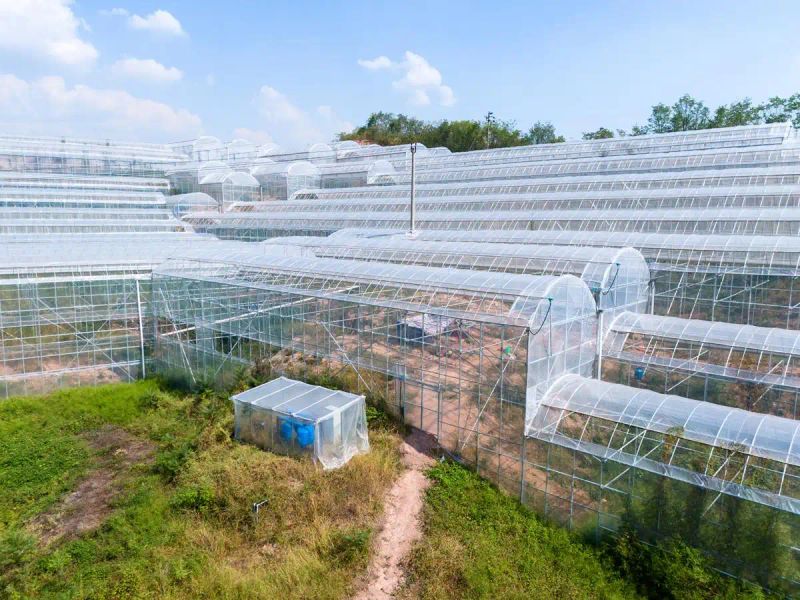
In the glorious winter, traditional agriculture entered a “sleeping period”. However, in the 70 greenhouses in ray's village, eight were transformed into a “winter battleground” for siegh. “at previous winters, farmers had either gone out to work or were at home “cat winter”. It's not the same now. It's called green bank. In the words of the director of the jisc, the red army stated the core value of anti-season planting — technology to turn “winter idle” into “winter busy” and “climate disadvantage” into “market advantage”。
The key to anti-season vegetable cultivation is “control”. The temperature varies widely, with a minimum temperature of 15° c outside the room during the winter, while the west gorghum grows at a suitable temperature of 15-25° c, with a humidity of 60 to 70%. The growers have built a “small climate” in the shed through techniques such as membranes to keep warm, heat up the hot wind stoves and drip-drink wett: air-to-climate during the day, grass curtain locks at night and real-time monitoring of soil moisture by sensors. This "precision control" not only keeps sigu growing in the cold winter, but also makes it a "faulty peak" - when winter vegetables in most parts of the country depend on the northward movement of southern vegetables, the marketing of local anti-texician vegetables fills a “fresh gap” in the local market。
Behind the technology breakthrough is a microcosm of agricultural modernization. The greenhouse shed in ray's village is not a “shelter”, but is equipped with standardized facilities for rollers, vents and drip irrigation systems. "the past is based on experience and now on data." one grower smiled and said, "on the phone, look at the temperature, the humidity, the lack of it, the smoothness, good taste, and the need for a supermarket." this model of “technology plus traditional agriculture” has allowed small villages in the north-west to step on the “oil door” of modern agriculture。
Ii. $2. 4 per pound “economic bill”: how do small vegetables calculate “big gain”
Single shed production of 8,000 pounds, $2. 4 per pound wholesale price, nearly $20,000 in revenue - behind this set of data is a “economic bill” that keeps farmers in their hearts。
Cost first. The fixed inputs for the greenhouse shed have long been distributed, and the conversions from the winter planting of the western sorghum are mainly seeds, fertilizers and labour. One of the growers made a write-off: “the seed is 150 dollars an acre (about 1 shed), the fertilizer is 300 dollars, the manual is mainly a whole branch, picks, hires two people during a busy period, 150 dollars a day, and a total of thousands of dollars.” compared to the income of nearly $20,000, the input output ratio is more than 1:20, which is almost “high profits” in traditional agriculture。
Look at the market again. The winter vegetable market has always been a “seller's market”, but most of the profits have been removed from the chain. The west shogun in ray's village followed the “local direct supply” model: after picking it from the shed, it went directly to the major supermarkets and the lundsham market, where no middlemen made a difference. “the supermarket charges us $2. 4 per pound and the citizens buy about $3, 10-15 per cent less than the vegetables transported in the south.” the red army explains, "we make real money, citizens buy real money, it's win-win."
More crucial is the “wrong dividend”. Each november to february of the following year, the “slight season” for the supply of vegetables in the north is marked by large market gaps and stable prices. Most of the traditional open-air crops are marketed in the summer, often at lower wholesale prices of less than $1 per pound, while prices have doubled in the winter season. “... In the summer, we reap thousands of dollars, and in the winter, we grow more relaxed, and our income doubles.” the benefits of this “seasonal deficit” are the core competitiveness of anti-seasonal cultivation。
From “vicular garden” to “basket”: “new password” in the closed circle
For the citizens of dungeon, the anti-texicium market is not just a vegetable choice, but a “fresh security” in the “basket”。
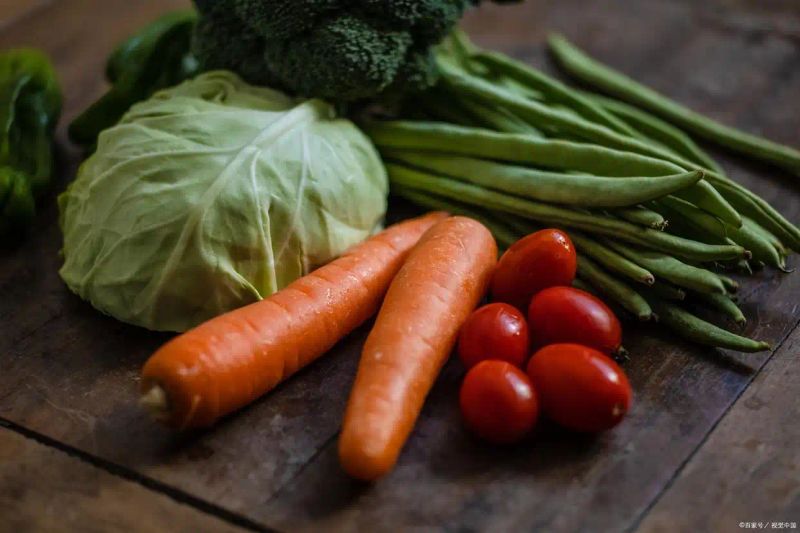
In the northern cities of winter, the supply of vegetables often faces a “triple dilemma”: small in variety, high in price and not fresh. Vegetables transported in the south travel long distances, not only in terms of losses, but also in terms of freshness. And the local anti-texicium can be picked up to the market for two hours at the earliest, "in the morning, it'll be on the supermarket shelf at noon, with leaves and dew." according to a supermarket procurement officer, “citizens consider this `sweet ground', which is sold out in a few days”
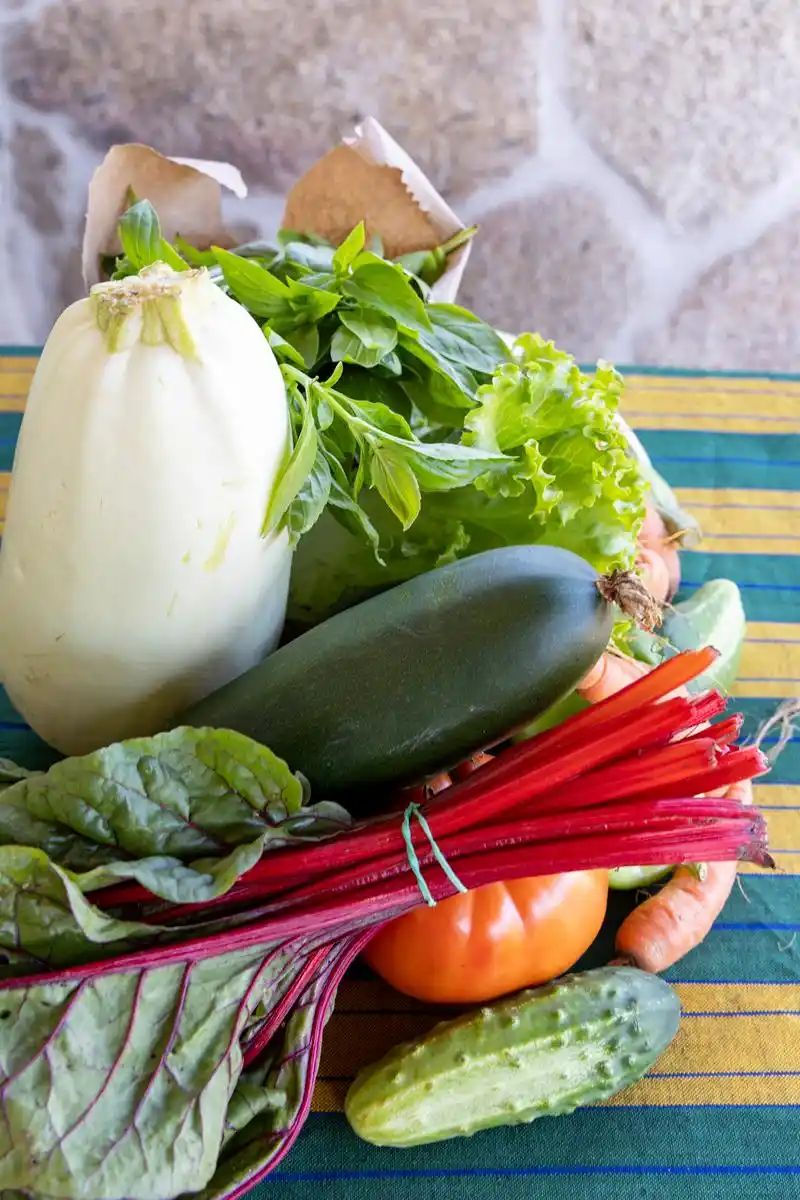
The price is even more pro-people. At present, the market offers more than $3 per pound for vegetables in the winter season, such as peppers and eggplants, while the local wholesale price of $2. 4 per pound makes the final sale more expensive. "we don't have to do this in winter, and the local squirt is cheap and fresh, and it's good to eat and make a pie." an aunt at the supermarket said. This “new price” is the most direct expression of the well-being of people。
From the garden to the basket of vegetables, there is also a chain of circulation. The west zhuang village of ray jia village is rapidly on the market, benefiting from a “short-chain supply” of local markets: growers are directly connected to supermarkets and agricultural markets, saving storage, long-distance transport, etc. This “direct supply pattern” reduces not only the cost of movement, but also the loss - the rate of consumption of traditional vegetables is about 20 per cent, while the rate of consumption of local direct supply is less than 5 per cent. "the food doesn't rot in the middle of the road, the farmers make more money and the citizens pay less. That's what the food basket works."
The “micro sample” of rural revitalization: how can small industries activate “great energy”
The eight huts in ray's village, which appear to be small, hide the “cipher” for rural revitalization。
The first is “small industries, steady growth”. For farmers, a stable source of income is more important than “happiness”. The short-term (from planting to harvest of about two months), technological maturity and market stability are “short and flat” revenue-generating projects. “assured by a small plant, the cost of living in winter and the cost of school for the children are all covered.” this “visible, touchable” gain is more convincing than any policy statement, according to one grower。
The second is “the role of grass-roots organizations as “adhesives”. The 70 sheds are centrally planned and the 8 sheds are centrally managed, backed by village commissions. "we tried to plant two first, and then we managed to bring you all together." according to the red army, the village is united in linking seeds and fertilizer suppliers, in connecting markets and even in organizing technical training, “it is risky to fight alone, so that the development of the regiment is steady”. This “grass-roots organization + farmer” model allows small farmers to access large markets and avoids the dilemma of “growth-free”。
More far-reaching is the “transformation of industrial thinking”. The village of ray has not stopped in the west, and 70 huts are still growing anti-season vegetables such as cucumbers and tomatoes. “sifu is in the forefront, and there are other foods behind it, and the seasons are empty and the farmers continue to earn.” this industrial configuration of “multi-species, wrong-species” is transforming the rey village from “single-planting” to “multi-business” and thus strengthening the roots of rural renewal。
"china village pictures"
As the cold winds of dungeon passed over the gobi, the twigs in the greenhouse shed of ray's village were still growing silently. In seven days, they will enter thousands of homes with warmth in the shed. It's not an ordinary vegetable, but rather a result of a technological breakthrough, the hope of growing farmers, the security of the citizens, and a microcosm of rural renewal in china. I don't know. In the vast land, countless villages, such as ray's village, are turning “unlike” into “possible” with wisdom and sweat, “winter idle” into “winter busy” and “small industries” into “big articles”。
This anti-seasonal guacamole will eventually become a bowl of dried-up vegetables on the table of the democrats, with the smell of dirt and the temperature in the shed. And the story behind it — how technology changes agriculture, how small vegetables pull big gains, how villages grow hope in the cold winter — is perhaps more tasteful than the vegetables themselves. This is not only a brilliant story, but also a vivid note on the road to modernization in chinese villages。