The renovation industry is primarily wary of the fact that the pits in which the cook guard hangs the aluminum buttons can make you spend thousands more and more. I've spent 10 years working as a decorating supervisor, and i've seen too many families bewildered by the merchants' “high-end shrouding” and spending a lot of money on the ceiling, either hard to clean or rusty in two years. Today i'm putting together the six or six that i'm using, with real cases, to avoid 80% iq tax
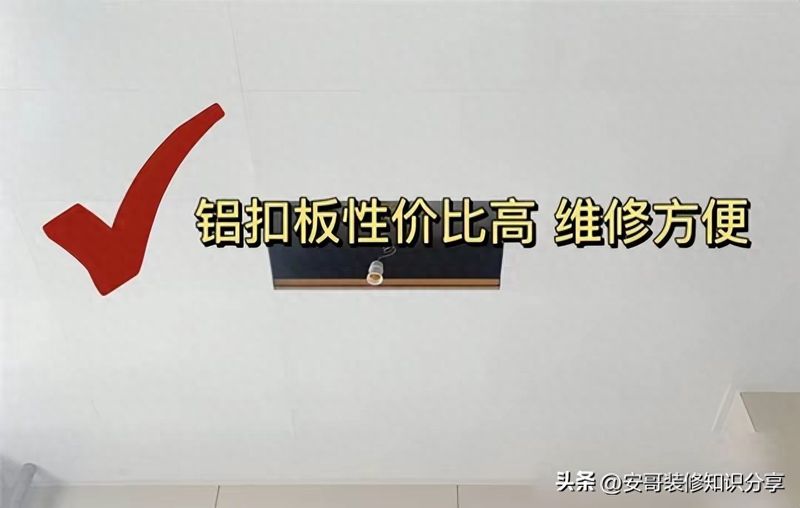
1. Standard aluminum buttons, not beehive boards (under 7m2)
The beehive board campaign is “sweetly advanced”, but the small household type below 7m2 is simply wasted. Last year, the owner of the 6m2 kitchen was advised not to spend 8,600 dollars to fit the hive board, to fit the space vision down by a third, and the master was on the spot saying, “small space cannot afford the big board”. The normal aluminum button 7m2 cooker will be able to do it for 2500 dollars, and a piece of post-maintenance repair will be completed without the need for a full head. Large-house kitchens (10m2) may be considered for upgrading, with small-houses having iq taxes on wind。
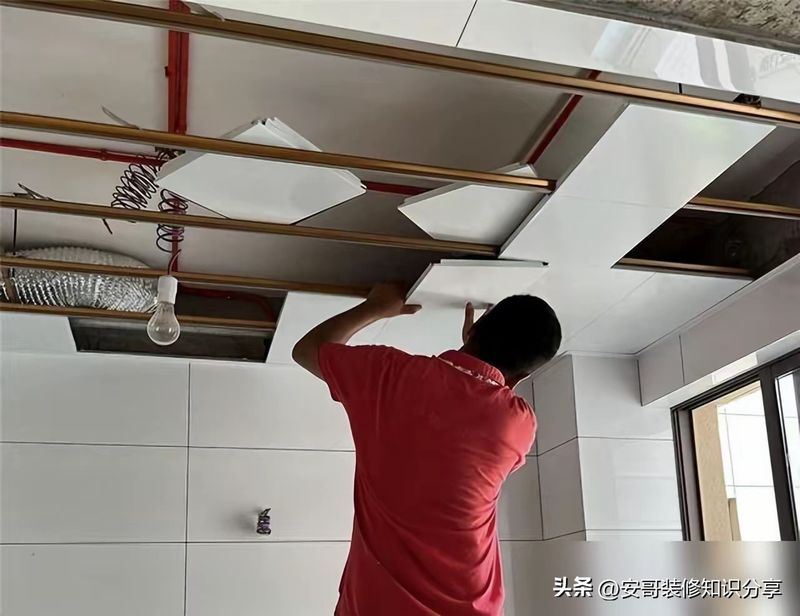
2. A chandelier for pure colour buttons and no bouquets
A plate with a european curly, imitated lacquer, which makes you crash when you clean. The neighbours chose the laces, the oil was hidden in the cracks, each time they had to brush their toothbrush for an hour, six months later the raisins were yellow, and my home chose the bouquets, which were clean for five years without cleaning, and the rags were wiped. The difficulty of cleaning the wreathboard is three times higher and it is easier to be out of date, and pure colour is the preferred option for cookers。
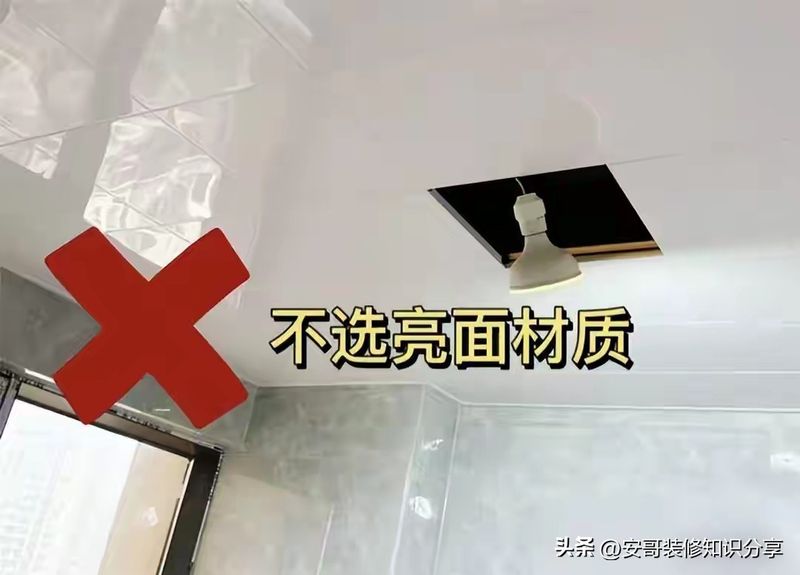
3. Make borderless buttons, not wide edge buttons board
The seams of the wide edges are the most contaminated areas. The previous renovation of the old house, the oily dust in the gap between the wide edge buttons, had to be picked with toothpicks to clean up, and all the frames were scratched. Instead of a borderless button, the ceiling looks like a whole plate, cleaning it out. Not only is the frame high, but it also reduces the clean end by 80 per cent, and the kitchen guards are wet and oily。
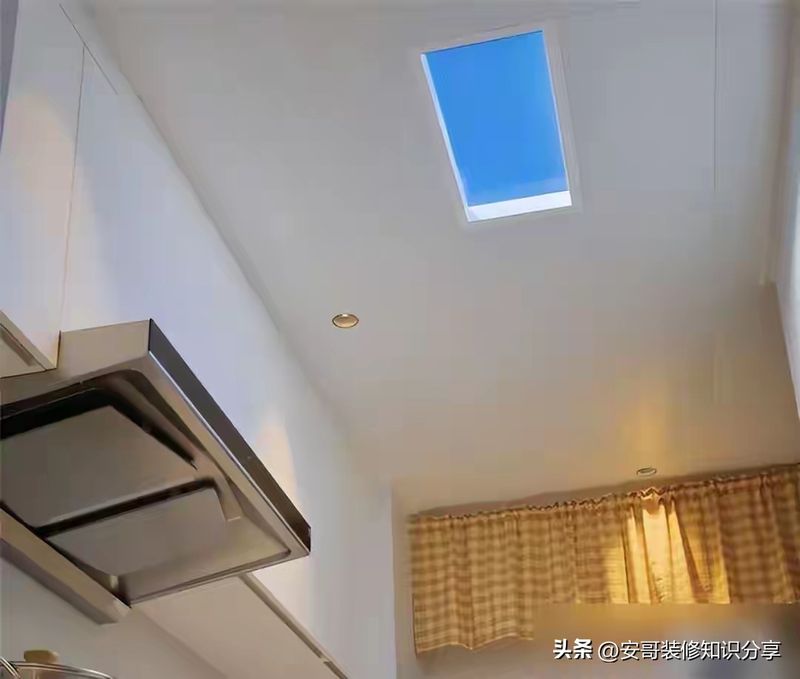
4. Make blind buttons, not flashboards
Don't touch it! Last year, there was an owner's kitchen with a flash button, three times with peppers covered in oil, and the sun turned like a mirror, the oil was visible, and only curtains were drawn for cooking. It's like grinding sand. It's oily. It's clean. Cooks are sore, dumb-buttoned with stains, which are far more practical than the bright side。

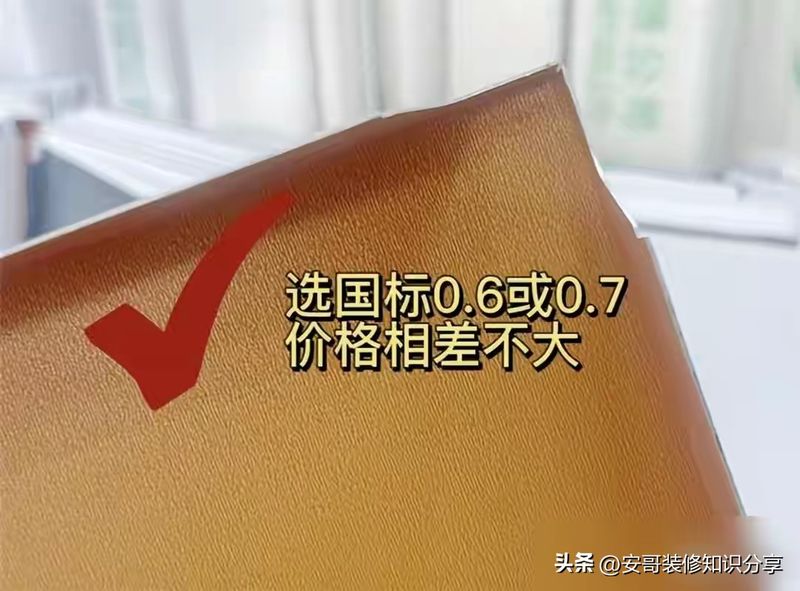
5. 0. 6 mm national plate not 0. 5 mm board
Aluminium button thickness directly affects durability. It was used to help friends choose a 0. 5 mm sheet, which was deformed as soon as the master installed it, and when it was finished, it was felt by the bathing bull. Changed to a 0. 6 mm national plate with no deformation or noise for three years. Threads cost 30 per cent, but are less resistant to deformation, in case of a safety hazard, and 0. 6 mm thick value and safety are online。
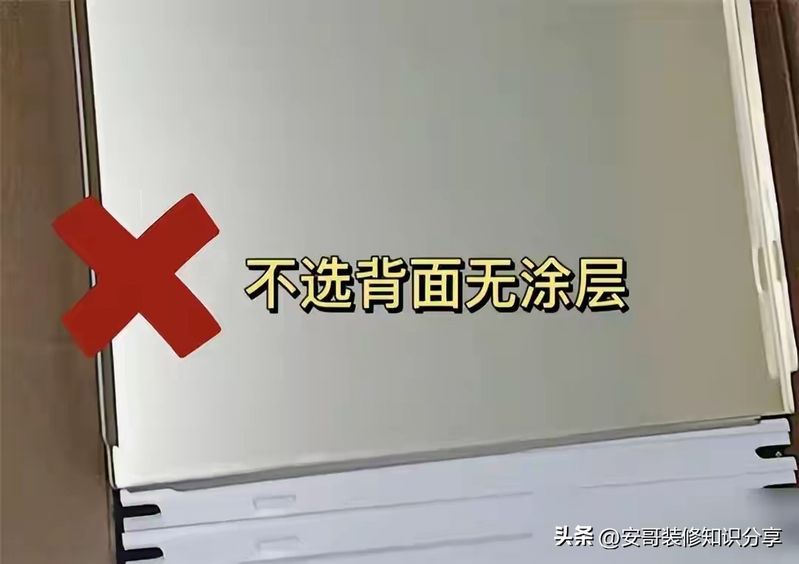
6. Make back coating plates without coating whiteboard
No coating buttons are invisible bombs. In previous years, the owners had been helped to repair the toilet, with no coating buttons worn on its back, with rust dripping on the tile, and $2,200 spent back to work. A plate with a corrosive back, which isolates water vapour, even with a long-term wetness and is not rusty, and is worth $50 more than a plate without a coating, is eight more years and is fully operational。