Friends who are familiar with the compact sedan market should all remember the heat from the past. A few years ago, 20,000 per month of stability was the norm, and ten generations of thought became the first choice for many young people to buy cars, some of which needed to wait. The latest sales data show that in the past august, only 1,337 were retailed in one month, and sales have shrunk considerably in comparison with the peak period. Even if the terminal offered a substantial discount, the price was priced, the order was not significantly warmed up, and the previously explosive household sedan became very embarrassing。
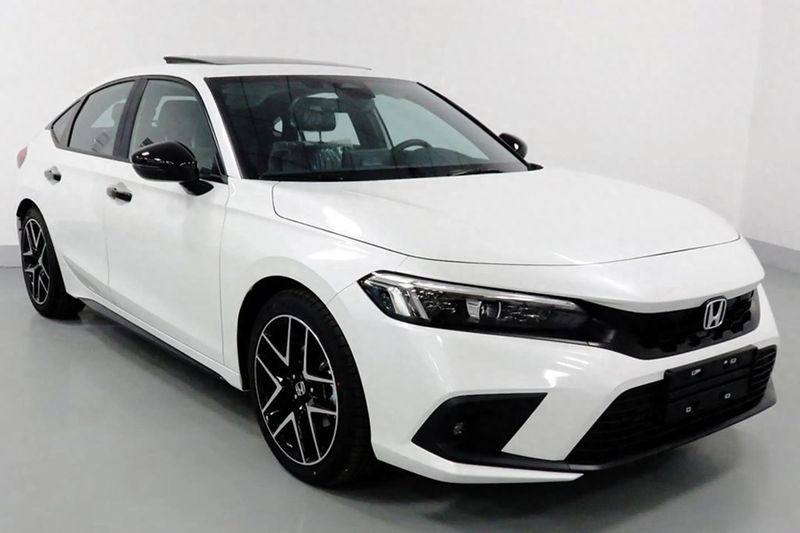
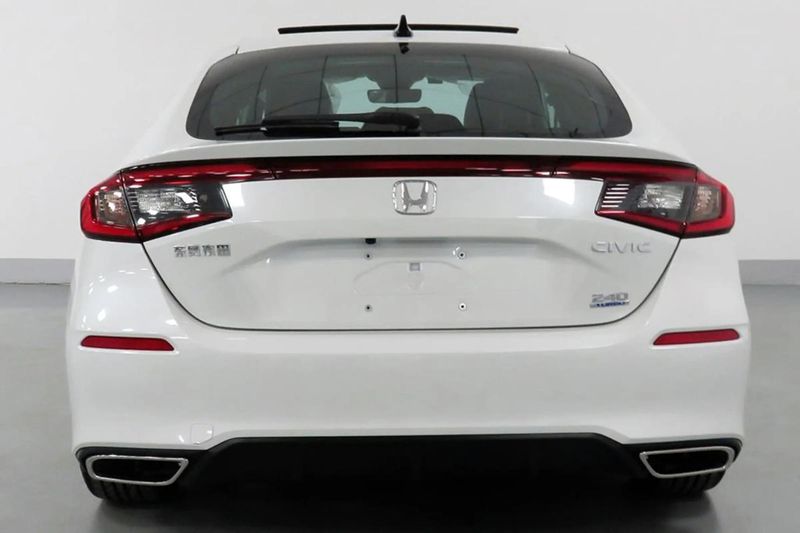
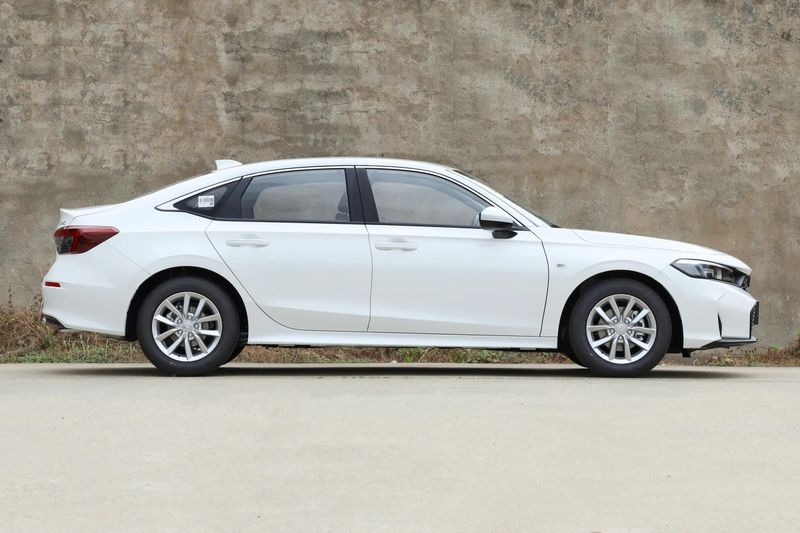
Objectively speaking, the universe itself is not a car. 1. 5t engine power response is good, plus petrol 92, the cost of day-to-day maintenance is not high, and honda's long-accumulated stability and second-hand vehicle retention ratio remains its advantage. The chassis is flexible, it doesn't look heavy, and people who like to drive can feel good manipulation. The airbags were fully equipped and the l2 auxiliary driving was carried as a fuel vehicle with no visible hard injuries. Then why are consumers still reluctant to pay after the concessions are released
The first is a fundamental change in the market environment. The main battleground of the spartan is between 100,000 and 150,000. The price of this is basically in the case of a jointly financed fuel truck in the early years. This is a completely different time, with a large influx of mixed and interpolated domestic goods。
In the same budget, the nationally produced vehicle model provides a larger interior space, a larger medium-controlled screen, voice interaction, heating of chairs, etc., most of which are directly configured. Short-distance commuters can use electricity at a much lower cost than fuel trucks and can benefit from green card-related policies. Only fuel and hybrid versions were available, no hybrids were inserted, and a large proportion of household clients were missing。
The repositioning of products has also led to the loss of the original core audience. Ten generations of think-outs rely on sharp appearances, retrofitting potentials that attract large numbers of young users. After the change, the 11th dynamite, the design style is constricted, the whole body is aligned to the home, and the motor properties are weakened. Young people who used to play with their sports appearances felt it was out of character, while home users who focused on their home space, their interior tastes, entered the car and found that the interior was simple, the engine function was more basic, and space did not perform as cheap as a national car. It's like two-headed customers can't get caught。
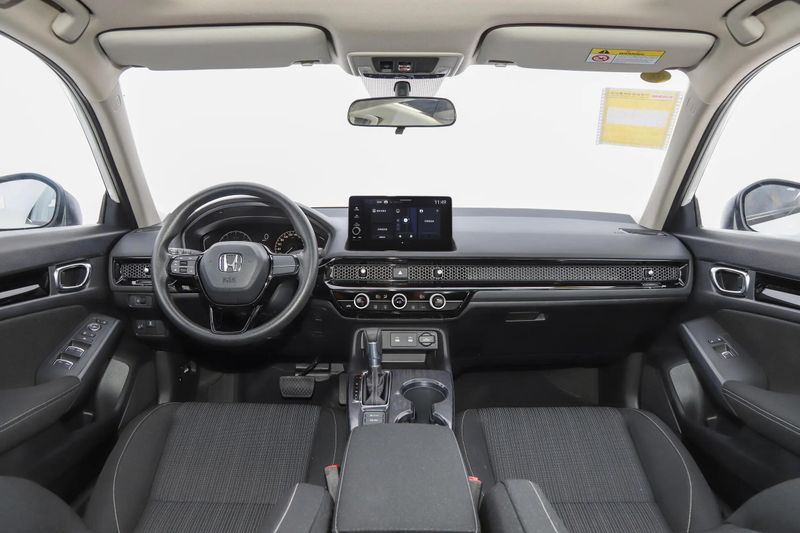
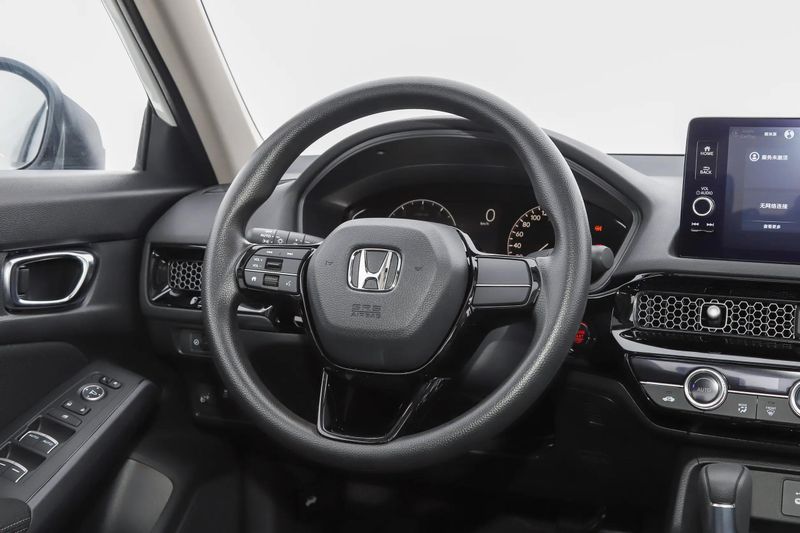
Also, the brand premium on the joint venture has been declining. In the past, a number of consumers have been willing to pay for joint-venture car signs in the interest of stability. It is now more pragmatic to buy cars, no longer simply superstitious brands, and carefully compares space, configuration and long-term vehicle costs. Today, these popular joint fuel cars, which are not ingenious, are also being sold at reduced prices. When the market as a whole is making concessions, it is difficult to pull the sales of a car alone, relying solely on price reductions。
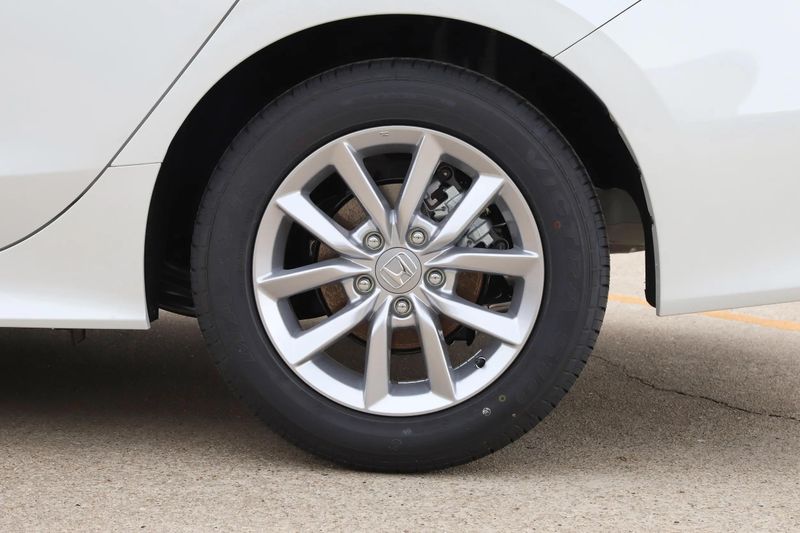
Of course, the overall shrinking market for fuel trucks is also a general context that cannot be ignored. More than just thinking, many traditional joint fuel models are under pressure to sell. The current situation of the universe is not a single product issue, but is the result of a shift in consumption preferences, a new energy shock, and a combination of multiple factors for product positioning over time。
For those who are still considering thinking, it is still suitable for users who prefer fuel trucks, value mechanical qualities and preservation rates. For most ordinary households, however, the lower cost of car usage and the wealth of intelligent configuration have become important indicators of consideration when buying cars. Lower prices alone make it difficult to bring lost customers back. In order to get back to the top, there is a need for more product orientation。