Potato is a multi-year grassland, once called the king of vegetables. With regard to the use of potatoes, important raw materials in the food production industry. Although some of the farmers grow potatoes, there are reasons for the lack of scientific techniques to grow them, leading to a lack of production. If we want to solve the problem of high yields, there is a scientific method to grow them. Today we will take you to learn how to grow the potatoes, teach the farmers how to grow the potatoes to produce them, so that they will have a good harvest, and learn the techniques to enrich the village。
I. Potato requirements
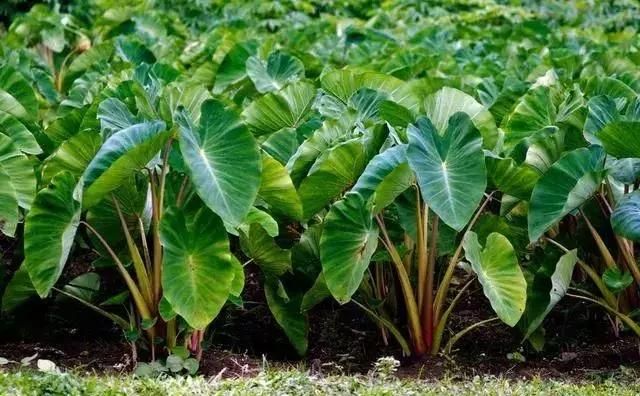
For potatoes, good quality, taste pure, large individuals, beauty in appearance is a good growing vegetable. However, there are stringent requirements for growing ambient temperatures, and the most suitable temperature for growing is 25-30 degrees celsius, which, according to local climatic conditions, can be grown at an average temperature of 25 degrees celsius, but is treated with seedling before planting。
Selection and breeding
1. Selection
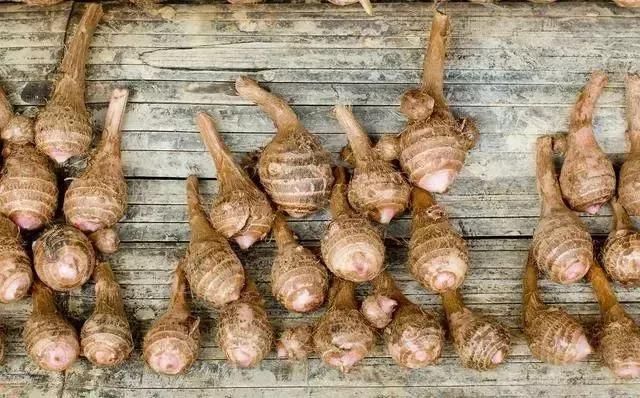
Potato seeds are grown with no insects and full sprouts, usually weighing around 50 g. The choice of seeds is to select the size of the large, or the small will affect the yield, with the selection of seeds per acre in the order of 60 kg。
B. Feeding
The selected potato seed is immersed in 58 per cent of the 800-fold rhesus zirconium fluid, which is then taken out for two hours and then placed one by one on the planted seedlings, with a plastic sheet covering it, which, after half a month, can grow large amounts of coarse roots and new sprouts, so that it can be replanted later。
Iii. Field management
1. Land selection
The cultivation of potatoes requires the choice of soil to be deep and fertile, as well as good permeable sandy soil。
2. Land consolidation and cultivation specifications
Following the current crop harvest, the land was ploughed in a timely manner and the natural manure, such as hog, goat and cow dung, was spread evenly in the fields and machined into the fields with the former crops. The average planting range is 1. 5 centimetres wide, with single rows, 25-30 centimetres wide at the bottom of the ditch, 25 centimetres high and 78 centimetres wide, with 650 to 700 hectares per acre. Prior to planting, three to five centimetres of corroded fertilizers were kept deep enough for potato cultivation, and three to five centimetres were sufficient because of the shallow seeding of potatoes. Cultivated the next day after application of rotting fertilizers, which is fast and neat。
3. Cultivation of grass
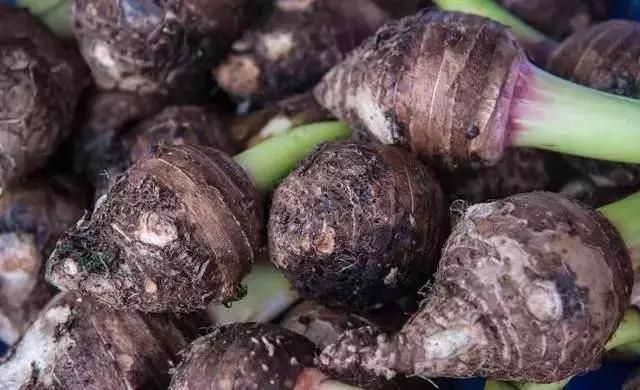
When two leafs are grown, the first medium-planting of grass is carried out on the basis of fat-and-painting operations to ensure that the potato has weeds to compete with its nutrients during its growing stages, affecting its production. When the potato grows to four leaf blades, the second cropping of grass is done, and this time it is not cultivated around its crumbs, and all the rest of the land is soaked that weeding will no longer be practiced. It is also intended to increase the growth layer of the roots and, on the other hand, to inhibit the growth of the seedlings and to concentrate the nutrient supply, which, if it is not well, will lead to a decrease in production。
4. Potato growth management
When the potato grows to more than six leaves, it is to be trimmed, the leaves are to be cut when the weather is clear, the nutrients are to be consumed, and the potato is to be produced faster。
Iv. Fertilizer management
1. Water
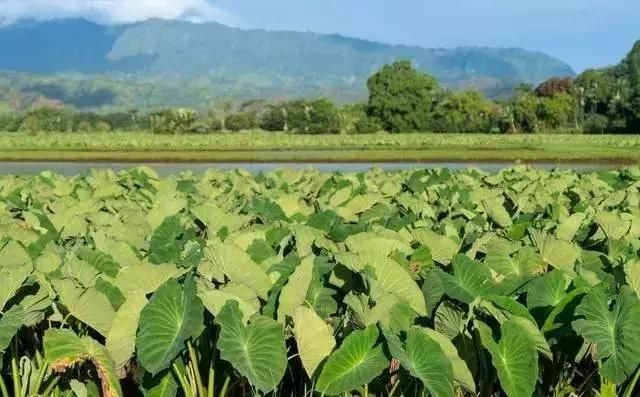
Rain-watering after potato cultivation is sufficient to reach a firm demand, and then the subsequent water is kept wet. Because the taro grew slowly in the early stages and the leaves were relatively small, the amount of water would be small, and the amount of water would be raised slowly over time. In the latter part of the period, the mother cannot be affected by drought, the summer high temperatures cannot suddenly pour water at noon, and the water should be slowly carried out in order to prevent sudden cooling from causing damage to the root of the potato, causing the death of the leaf to affect the yield。
Fertilizer
Potato is long and long, so the demand for fertilizer is higher, and the most necessary is soil and potassium. Essentially after the application of the base fertilizer, it is also necessary to use decomposition organic fertilizer to catch up during the boom. Supplementation of fertilizers increases the assurance of nutrient demand for potatoes and allows soil laxation to become aerobic, as well as soil fertility and water conservation, which is conducive to the growth and rapid expansion of the mother's penis. Potato grows to two real leaves, fertilizing for the first time with 25-30 per cent decomposition or bean fluid, each with 250 g phosphate and 200 g urea. Then we'll wait for fertilization every half month. To increase the concentration of dung to 50 per cent by the period of prosperity, it is essential to ensure sufficient nutrients in the period leading up to the potato and the most basic guarantees of increased production in the later period。
V. Pest and disease management
1. Insects
Insects grown in the form of taro are mainly slashed night moths, aphids, vermin, and so on, and can be treated with 80% trichlorfon 800 times the fluid, 10% can be 2,500 times the fluid, or 20% can be vinyl. In the case of aphids, 10% of acupuncture can be treated 2500 times more. The cyanide can be poisoned with one pack of thorium and one pack of vermin。
2. Diseases
The disease of the potato, which is mainly a potato disease, can be combated with 58 per cent of the rhesus manganese and 800 times more. It can be combated only after an underground mother's penis is made up。
Collection and storage
The potato harvest season is mostly in the south in late october. The drainage of the soil is to be monitored before the potato harvest, which is to be collected at a time when the weather is clear, so as to facilitate the operation of the harvest and control the moisture content of the taro, which is to be removed and sorted after harvesting. The most important thing is to avoid bumping, resulting in taco damage affecting their tastes and storage times, and to sell more image. Potato is stored at temperatures of 10 to 15 degrees, and it is frozen。
Concluding remarks
This is also the case with potato cultivation techniques, which, as a cash crop, are not only nutritionally valuable but also expensive and are a good option for farmers. For potato farmers, learning some of the planting techniques will increase the production of their own produce. The author believes that, through this reading, there will be an awareness of potato cultivation, which is no longer the same as the previous lack of scientific techniques for planting. Finally, it is hoped that the farmers who grow the potato will go further along the road of the potato, which is also a high yield price. Please leave a message below if you have anything you don't understand or want to say。