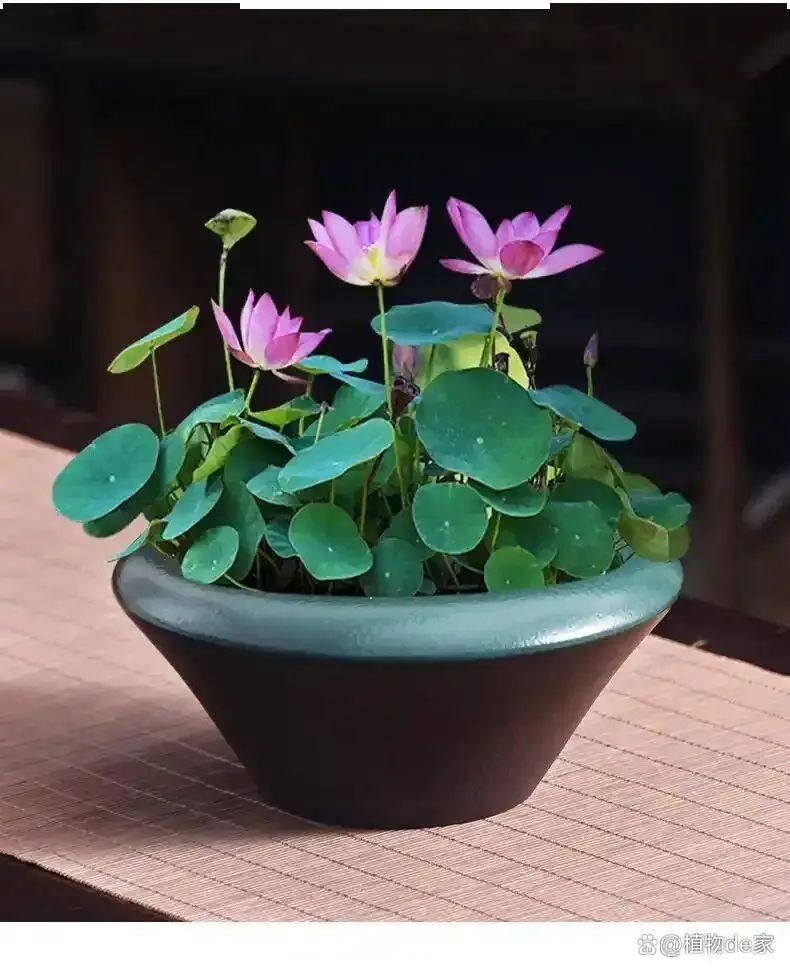
Many florists want to raise a bowl of lotus, and when they see a special flower pot, a poach mud, a complex maintenance course, they are discouraged, and they find it difficult, expensive and expensive. It's a big mistake! The bowl is a famous "landnut net red flower" and it doesn't need a flower pot. It's an empty sea bowl, a pot of ceramics, a bowl of shallow soup
With two little seeds, the balcony will be just like this, and the water will live and bloom! Today we share with you the entire curriculum of zero basic sea bowls, from seed seeding, temperature control, scientific fertilization, trimping and pest medicine, and the new hands can easily produce green leaves and flowers and open up the balcony
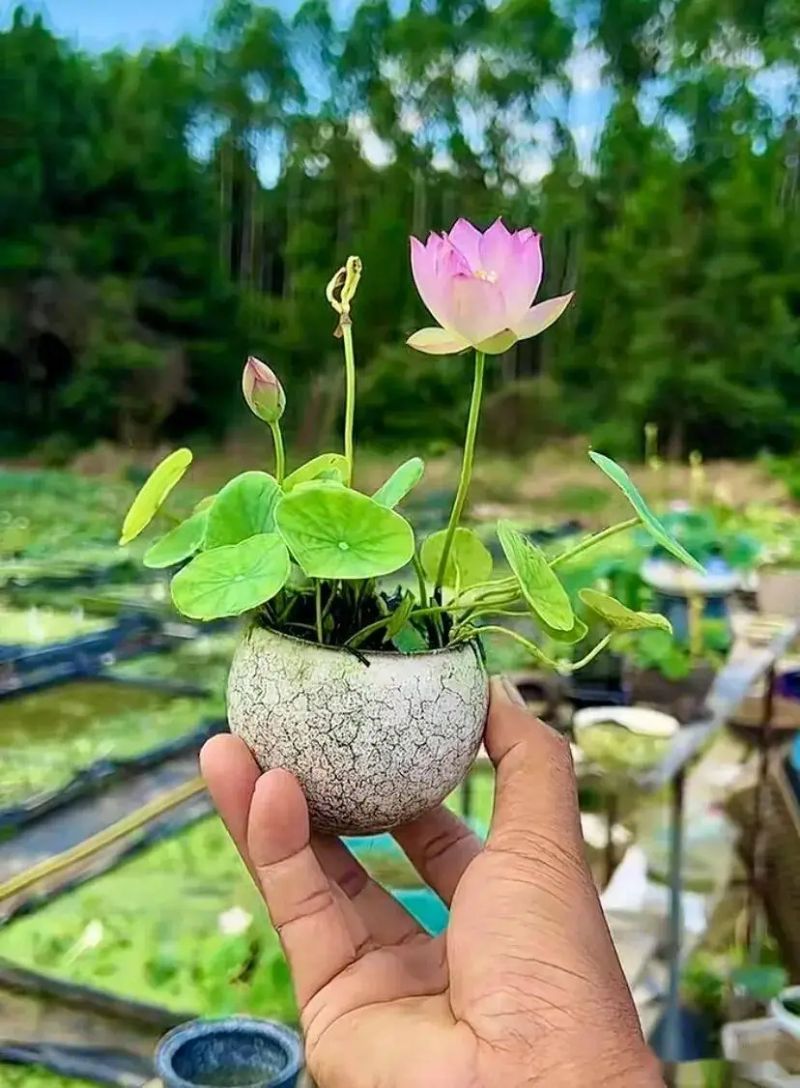
First, the selection is so simple: one sea bowl, two seeds to feed
A lot of people can't keep a bowl of lotus, they're bound by a special vessel! Family balcony maintenance, 20-30 cm shallow sea bowls are the most suitable, with light-sweet designs, high water temperature and more conducive to seeding, making it easier to bloom than deep flower basins。
Cultivation techniques: 24 hours of running water in the bowl, with no need for complex soil, freshmen can clean water directly; if you want to be more robust, you can lay a thin pottow/painted root, with a thickness of 3-5 cm, with a shallow water of 1-2 cm, clean hands, no insects, and a balcony that is clean and elegant。
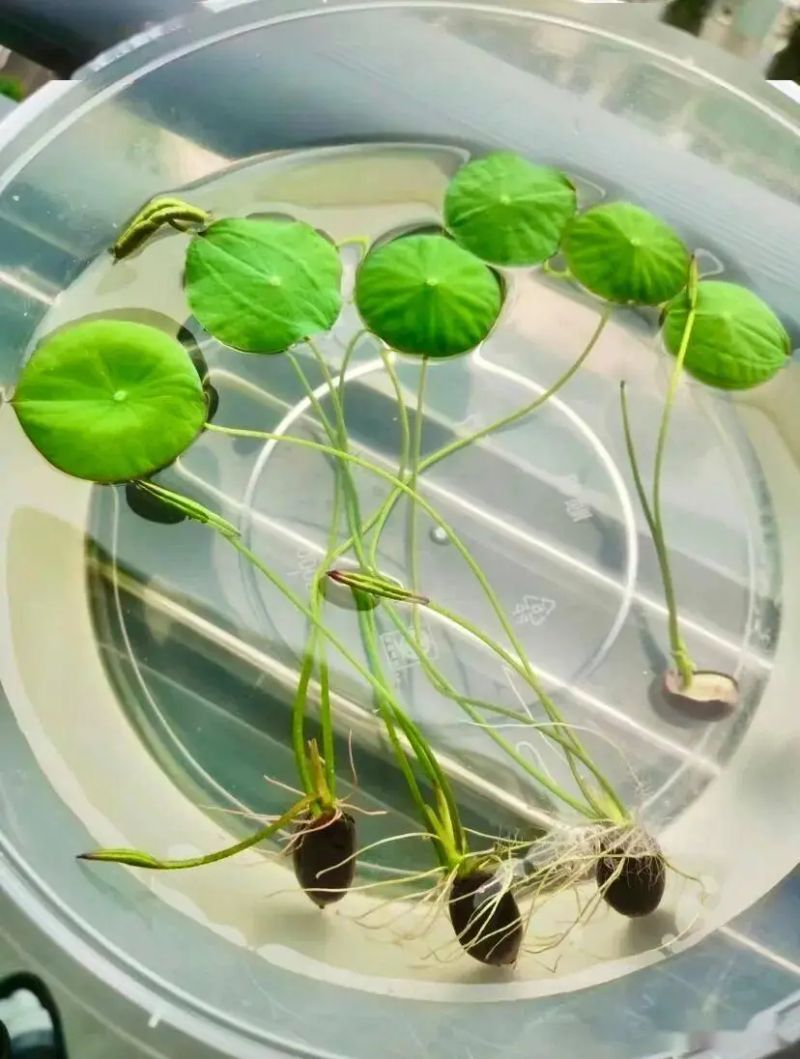
Seed sprouts point: the shell of the seed is hard, and before seeding, the skin must be sharpened gently at the end of the circle (without hurting the meat), immersed in warm water, sprouts can occur for three to five days at a suitable temperature, and can be properly preserved in the bowl of the sea。
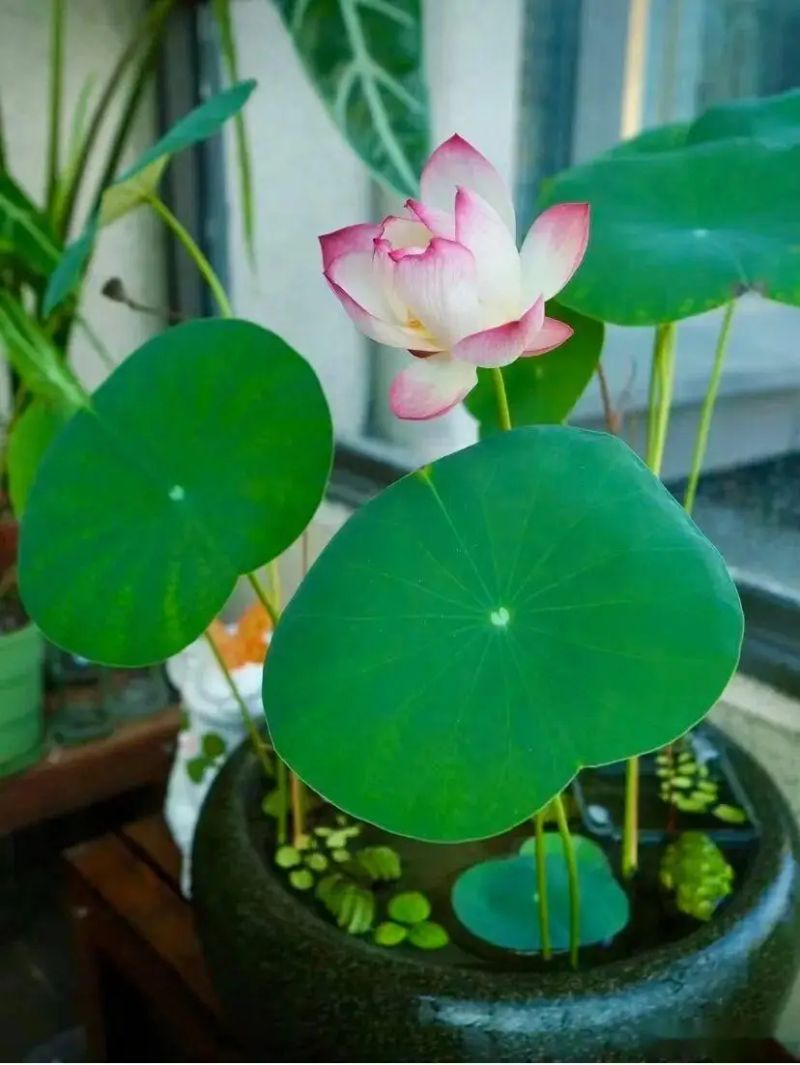
Ii. Temperature control: calibration, rapid growth, flowering, non-yellow leaves
The bowl is typical of the warm and radiant flower, and the temperature is the key to its gestation, long leaves and flowering, and the temperature is in place, doubling its size and long periods。
1. Equipping suitable temperatures: seed sprouts, the best temperature for seed growth is 20°c-28°c, the fastest seed sprouts in the temperature zone and the best planting season for the family balcony. The temperature is below 15 °c and growth is directly stagnant, with growth stopping at less than 10 °c。
2. Growing flower temperature: adult plants can grow normally at 18°c-32°c for daily maintenance, with the fastest lumbering and most flowering at 25°c. The three seasons of spring, summer and autumn are suitable for sustainable long leaves and flowers。
3. Temperature protection in winter and summer
There is no need to worry about high temperatures in the summer beyond 35 °c, as long as water is sufficient and the sun is not dry; winter temperatures below 10 °c are gradually dormant, and below 5 °c are prone to freezing and injury, and need to be moved to indoor warmth-and-light maintenance, to keep shallow water for winter, and to rejuvenate in the spring。
Iii. Scientific fertilisation: water-breeding bowls and fertilizers, unburned
The sea bowl is water-fed/substantial and has limited nutrients, and many newcomers either do not fertilize or fertilize their leaves. Remember the core principles: ban on fattening of seedlings, supplementation of leaves, increased potassium phosphorus during flowering, hibernation。
1. Premium (breeding - 3 foliage): complete loss of fat
The seedlings that have just sprouts and leaves are so young and fragile that they can never be fertilized! Fertilizers then burn the roots, sprouts and yellow leaves directly, with only water conservation and patience for long leaves。
2. Long-term (in the form of leaves): balanced nutrition
Cultivation of more than three standing leaves indicates that the roots mature and begin to absorb nutrients normally. A few drops of special hydroponic nutrients per 15-20 days, or three to five slow decompositions, supplementing potassium nitrogen phosphorus with balanced nutrients, promoting green leaves and growing flowers. It is forbidden to use fatty, fatty, pure urea。
3 period of flowering of pregnancy buds: increased application of potassium fertilizer for phosphorus hana
Following the appearance of pre-flower omens, nitrogen fertilisation is stopped, and every 10 days a 1000 times the potassium phosphate solution is used for water irrigation to promote thawing, more flowering, more coloring, longer flowering, and a definitive solution to the problem of long leaves。
4 autumn and winter hibernation: total diet
After a fall of cooling and yellowing of the leaves, the plant went into hibernation, stopped all fertilizing, kept the shallow water in order to stay warm。
Iv. Precision trimmed: simple cut, ventilated leaves, double flowers
Instead of frequent trimping, it is necessary to fix the leaves that are left and intermingled on a regular basis, reduce nutrient consumption and increase ventilation, so that the leaves can be effectively avoided, the roots smothered and the power to sustain the flowers。
1. Day-to-day light cutting: timely cutting of yellow hair, dead, soft, broken leaves and vertical leaves, which not only do not work but also pollute water quality, breed bacteria and consume nutrients。
Screeching leaves: if the leaves are too dense and overlapped, some thin, small leaves are properly cut off, surface ventilation and light are increased and leaves the leaves to cover the water, resulting in a bad quality of water and no flowering。
3 after the flower is cut: after each flower has fallen, the flowers and the tubs are cut off in time, no flowers are left to consume nutrients, and the nutrients are concentrated in the provision of new leaves and flowers, so that the flowers can be cut out。
4 autumn and winter clean-up: all leaves will die after winter after yellow, all the dead leaves are cut off from the water surface, clean up the winter and reduce the winter residues of pests and diseases。
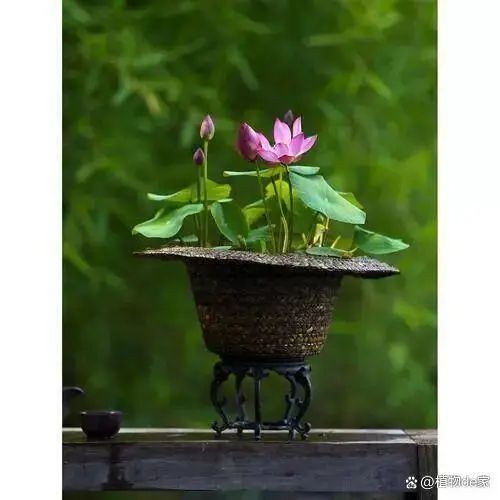
V. Scientific drugs + water quality conservation: non-fatal leaves, non-verbals, perennial clean and prosperous
The sea bowls provide a shallow source of water, water quality is closed and space is small. They tend to breed mosquitoes and fungus, prevent and treat the disease with medicine, and have zero pests。
1. Water quality prevention
Long-term non-exchange of water, high temperatures and heat can lead to the emergence of poor water quality, green algae, and rotting leaves. Every 5-7 days, fresh water is replaced with dry water, which is not always replaced; when the water quality is so poor, a small amount of polybacterial solution can be injected with slight disinfection, inhibiting fungi and green algae breeding and avoiding folic and root diseases。
Common pest control
Aphids, aquatic mosquitoes and larvae are the top pests, often attached to the back of the leaf and the water surface. A small number of pests can be rinsed and rinsed with tampons; when the pests are high, they can be diluted with low-toxic insecticides and sprayed at high noon temperatures at intervals of seven days, with two consecutive total insects eliminated from repeated outbreaks。
3. Drug taboos
The concentration of shallow water conservation agents must be reduced by half, and the drugs are strictly prohibited to avoid burning leaves and root causes, and the use of drugs is used as little as possible during the nursery period, mainly for water exchange and ventilation prevention。
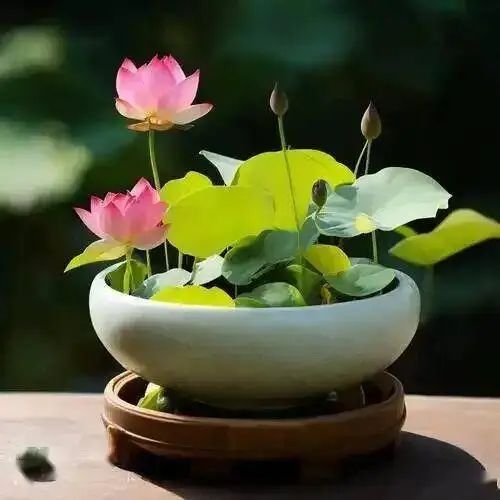
Vi. Core maintenance of the balcony: light in place, annual popping
The bowl is a strong radiant plant that must ensure that the sun is projected directly for more than six hours a day, in the best position to shine on the balcony and windows in the south. Ill-lighted leaves can only grow with yellow leaves and long leaves without flowers, and the light rises with the feet, the water warms, and the flowers bloom as fast as possible. Daily shallow water is not dried up, hot and timely water is replenished, easy to nourish, and the face is too high。
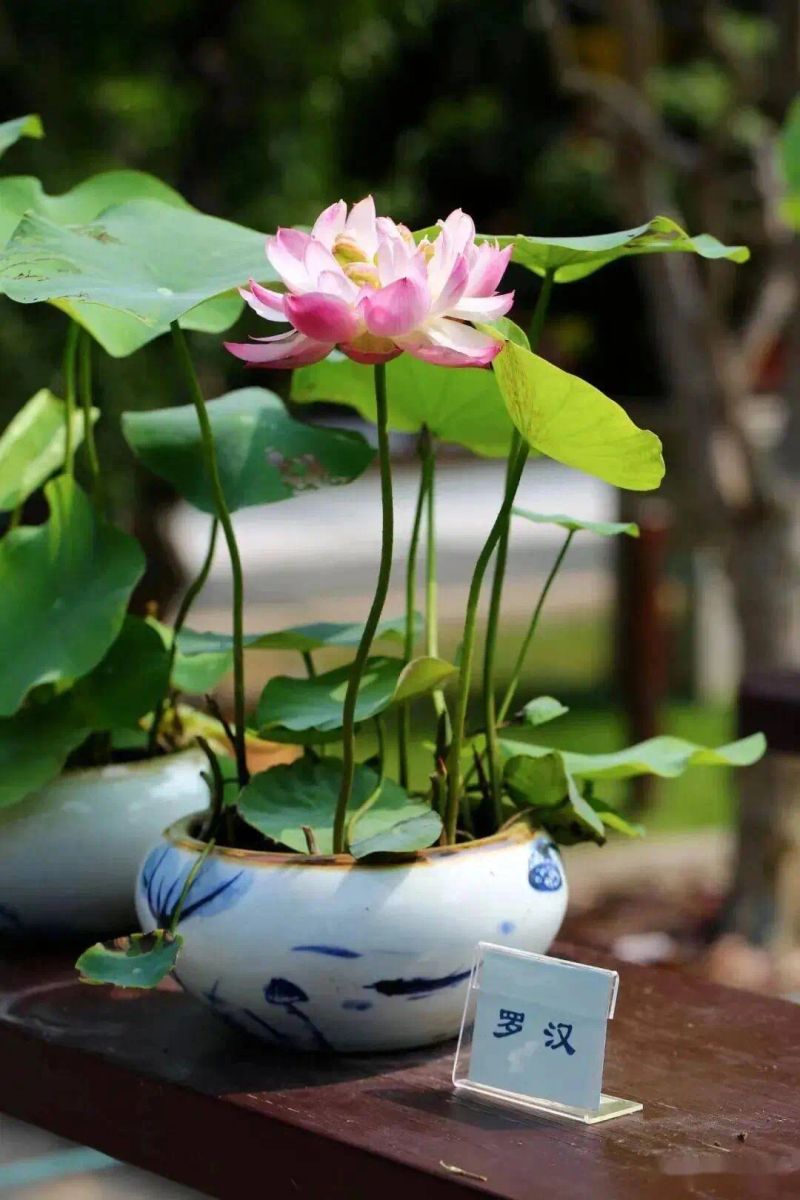
You really don't have to buy a special flower pot! Homeless sea bowls can be easily raised, and two seeds can create a small balcony. As long as you keep your temperature under control, keep your weight low, trim it regularly, clean the water from the worms, the newbies can easily achieve four seasons of long leaves, flowers, fresh and elegant healing