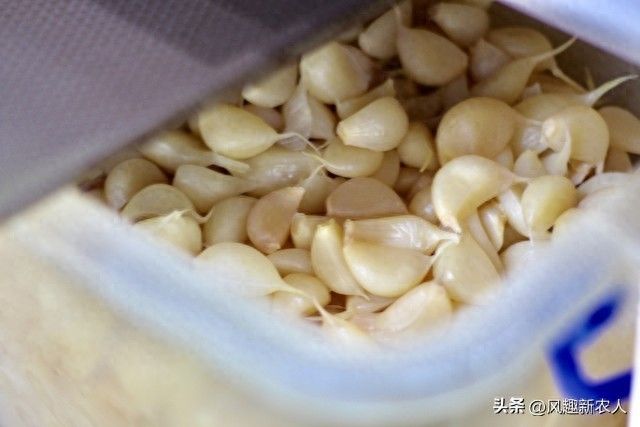
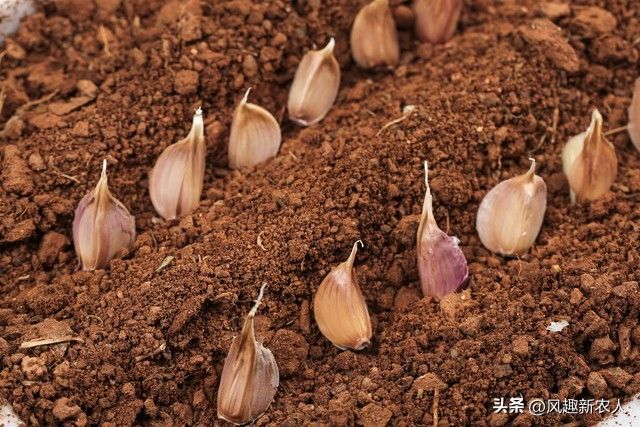
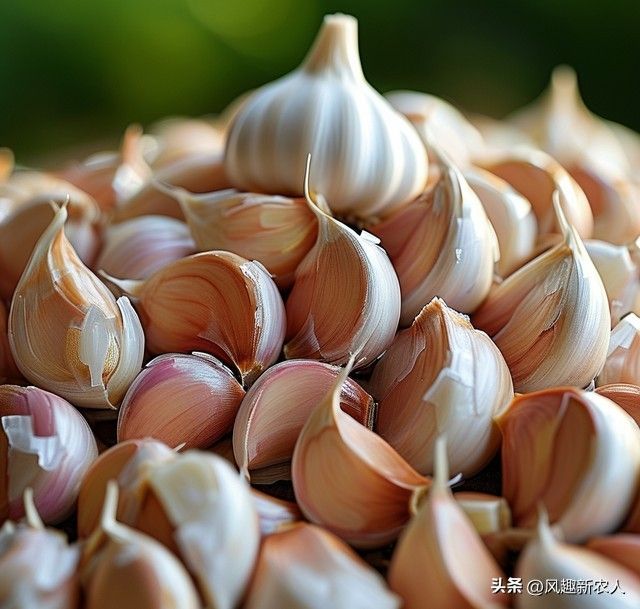
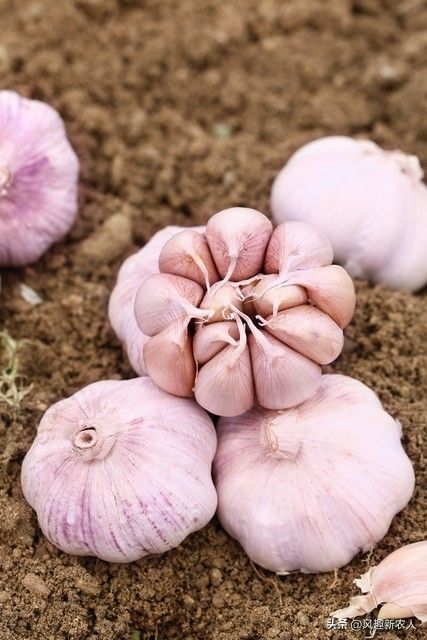
The production, quality, disease resistance and storage cycles of garlic depend on the suitability of the variety and the local climate. Garlic growth is highly sensitive to temperature, temperature, humidity, frost and light, with wide variations in spring demand, cold resistance, wet heat and disease resistance. Blind seed is highly susceptible to problems such as non-smoking, larvae, dead and dead, high incidence of disease and deterioration of storage. Taking into account the climatic characteristics of different regions of the country, an overview of the techniques used to select specific garlic varieties is provided, suitable for all types of planting landscapes and contributing to high quality production。
I. Cold temperate climate (northern cold zone: northeast, nemont, north xinjiang, north hejiang)
Core climate characteristics
The winter is long and cold, the cold frost is frequent, the minimum temperature can be 25°c ~35°c, the soil is frozen for long periods, the spring is warmer, the day and night is warm, the summer is cool and dry, the year is short of precipitation and pests. The region's garlic must meet sufficient low-temperature spring conditions, and cold tolerance is the first criterion for selection。
Core selection principles
Preference is given to hard-leaved garlic (hard-coloured garlic), low-temperature, slow-temperature, and cold-resistant varieties, which are resistant to deep-deep freezing and do not require very high temperatures to grow, suitable for spring or late autumn. Cultivation of cold-tolerant southern garlic is strictly prohibited, and it is very easy to freeze to death in winter and is not normal。
Optimal species and advantages
1. A series of violet and cold tolerances: a mountain with garlic, a north-east violet garlic, a gold-skinned garlic, extremely cold-resistant, low temperature - 30°c, heavy garlic, full garlic, spicy, stable spring production, suitable for high cold open cultivation。
2. High resistance to cold and pre-cooked varieties: platinum, long-drink, short reproductive periods, suitable for short growth cycles in the north, rapid growth after planting in the spring, avoidance of autumn early frost, excellent productivity。
Accompanying planting techniques
1. High-cold areas are predominantly planted in the spring, and the soil is grown as soon as it is unfrozen to avoid freezing in the autumn
The soil is thickened up to 4-5 cm after seeding, and the winter blocks cover the straw and membranes
3. The long-term extraction of garlic from hard-leaved garlic can increase garlic production by more than 20 per cent。
Ii. Temperatures and climates in temperate zones (yeong, north china plains: shandong, henan, south central hebei, north su, north luang)
Core climate characteristics
The highest range of suitable varieties is found in the country's main garlic-producing areas, with clear seasons, cold winters, minimum temperatures - 10°c ~ 15°c, short frost periods, warm and warm springs, hot and wet summers, sufficient temperature and light。
Core selection principles
The selection of low-temperature intermediate, highly adaptable and high-yielding generic varieties, combining cold and heat-resistant wetness, can be broadcast in the main and in small springs, and the quality and storage of garlic is balanced。
Optimal species and advantages
1. Mainty high-product species: gold-skinned garlic, gold-skinned garlic, platinum garlic, xuzhou garlic, highly adaptable, inverted, leaf-resistant diseases, clean garlic, good merchandise, suitable for sale as well as long-term storage, are the preferred options for scale cultivation。
2. Dual-use varieties: zai jia poe, with high yields of garlic and garlic, cold and mild wet heat, suitable for the local four-season climate, with higher crop yields。
Accompanying planting techniques
1. The best planting period is between autumn and cold, when garlic is sown through the winter natural spring, when garlic is more abundant and yielding much more than in spring
2. The region's climate is moderate, with a combination of hard-learn and soft-leaf garlic growing, with increased production of hard-learn garlic, which focuses on the storage of garlic
3. Timely drainage during the rainy season in order to avoid diseases caused by mid- and late-stage wetting。
Iii. Subtropical wet and hot weather (southern warm and humid areas: yangtze basin, south-west, south-west)
Core climate characteristics
Winters are warm and cold, with virtually no heavy frost, low temperature springs are not long enough, summers are hot and wet, rainy seasons are concentrated, the air is very wet, diseases and pests such as frosting, root and garlic mackerel are highly susceptible, and the soil is adhesive。
Core selection principles
Discarding cold, hard-leaved garlic from the north, giving preference to soft, cold, pre-cooked, wet, and water-resilient, and requiring short periods of childbearing, allowing garlic to grow before the onset of the high-temperature moist season, avoiding high temperatures and early decay and garlic。
Optimal species and advantages
1. South-west suitable species: garlic in pengzhou, tungsten, greasy, greasy, greasy, wet, wet-resistant, wet-absorbed, non-malignable, suitable for cultivation in sichuan, yunnan and chongqing rainy areas。
2. Jiangnan appliance species: chengduwin garlic, shanghai gardin garlic, guin din, panning garlic, early and ready to grow, without long periods of cold spring, perfect for warm winters in the south, with high single-headed garlic rates and low quality。
Accompanying planting techniques
1. Rigorous autumn planting, taking advantage of the warm and climatic conditions of the fall and winter, and rapidly expanding in the spring, avoiding high temperatures and wet periods in the summer
2. The selection of high-land plots for cultivation, with a focus on drainage and wetting, and the weight of the southern garlic-based wetting over the cold
3. There is no need to deliberately slow down the spring and avoid planting late-cooked varieties to prevent premature premature premature decay。
High-altitude cold weather (yung-gu plateau, sichuan plateau, gannam plateau)
Core climate characteristics
High altitude, low temperatures, short frost-free periods, very poor day and night temperature, no hot summer, long winter temperatures but small winds, adequate light, strong ultraviolet light, clear dry and wet seasons, few pests and pests, and excellent garlic quality。
Core selection principles
Pre-prioritized, cold-resistant, radiant and fast-growing varieties that combine low-temperature adaptive and fast-growing characteristics and are suitable for monolithic and high-quality garlic cultivation。
Optimal species and advantages
The main cool mountain is monolithic, violet garlic, so-called monolithic garlic, which is suitable for high-altitude cold and cold environments, which are cold and resistant, do not require high-temperature temperatures, and which, in large-temperature conditions, are tight, spicy and high-premature, and have a high single-head ratio, and are worth far more goods than the plain garlic。
Accompanying planting techniques
1. Re-alignment of the airtime with spring broadcasts in the low-altitude plateau and high-altitude areas
2. To increase production by using the advantage of adequate light in the highlands and by rationally planting them
3. Without the need for frequent disease prevention, emphasis will be placed on the prevention of cold and premature frosts during nursery periods。
V. Continental climate of drought and low rainfall (north-west gobi, river west corridor, ningsha plain)
Core climate characteristics
Throughout the year, rainfall is scarce, the climate is dry, the light is extremely strong, the temperature of day and night is very high, the winter is cold, the spring is windy, the soil is well-ventilated but poorly water-protected, the disease and pests are rare, the garlic malformation is low and quality is good。
Core selection principles
The choice of drought-resistant, wind-resistant sand-resistant, salt-resistant, light-laden, long and strong medium-sized fruit-based varieties gives preference to hard leaf-resistant varieties and avoids drought-resistant, long and weak early-cooked garlic varieties。
Optimal species and advantages
The gold fields, the river, the river, the river, the river, the river, the river, the river, the river, the river, the river, the wood, the strong roots, the sand, the salt, the dry soil suitable for the north-west, the arid soil, the dry matter accumulates in the cold, the garlic is full, stored, the mouth is plentiful。
Accompanying planting techniques
1. Focus on water conservation, using drip irrigation and membrane water protection models to avoid drought and premature decay
In the autumn, the soil is slightly thick, wind- and sand-proof is drying out petals, and the winter membranes are winterized
3. Properly sequestered and maximized production under adequate light conditions。
Universal selection of core taboos and common techniques
1. Absorption of transclimate-blind seeding: the cold zone in the north does not lead to the south's soft garlic; the wet-hot zone in the south does not lead to the north's late ripen garlic; and the high altitude does not lead to high-temperature varieties, avoiding the loss of harvests and low yields as a result of climatic disorders。
2. Selection of species according to the purpose of cultivation: pick of hard-leaved garlic, which is mainly for pickling; pick of soft-leaved garlic, which is mainly for collecting and storing; make of fine, monolithic garlic, which is the selection of the pre-literate and coldy varieties of the plateau。
3. Prioritize adaptation to local springing needs: the core of garlic production is low-temperature springing, cold areas require low-temperature varieties, warm areas require short-temperature low-temperature and pre-cooked varieties, and poor springing results in loose garlic and smaller garlic。
4. Good seed mix: once the species are identified, the best advantage of the variety can be achieved by re-draining the wet hot zone against disease, re-protecting the dry zone, re-heating the cold zone, re-resilient the highlands and adapting to climate adjustment management models。
Summary
The core logic of the selection of garlic varieties is that climate adaptation is a priority, supported by a variety of characteristics. Cold areas are prone to cold springing, wet hot areas are hot and hot, warm and stable regions are common, highlands are cold and high quality, and arid areas are drought-resistant. A combination of local temperature, humidity, frostless periods and precipitation characteristics, together with targeted field management, will allow for a steady, high-quality and efficient cultivation of garlic。