Garlic is a widely grown cash crop in the country, with many growers facing the same problem, whether it is small-scale or large-scale contract farming: it's the same kind of garlic, some of them can pay more than 2,000 pounds for an acre, and it's worth a season, but many of them grow small, monolithic, unmanageable and unpriced。
Many thought that garlic cultivation was simple, that it would be long if they were buried in soil and watered, and that, instead of taking chances, five key points would be captured at the core. The selection, ground-cleaning, seeding management, water fertilization control, pest and disease prevention and control, if not done properly, directly reduces the final yield. In the words of earth, let's be clear about the details of the exercise, which can be directly referenced regardless of the new and old farmers。
I. Picking the right garlic is the basis for a high yield
Garlic production has been set at half the beginning of the selection. The most common reason for the reduction in production is the fact that many farming households save their harvests with garlic or buy ordinary garlic at fairs。
Selection of garlic and preference for locally appropriate good varieties. The range of suitable varieties varies from one region to another, with the north more suitable for cold-resistant violet garlic, which smells thick, and the south more humid and adaptable. Without blind cross-regional seeding, high-priced varieties in the field may not be suitable for local soils and climates, and may be prone to long and ill-paced conditions。
When you pick garlic, you have to spread the garlic. You're going to have to give priority to the full, pedaled, no worm-eyed, no rotting, no moldy garlic. I'm going to get rid of the little, soft garlic. The garlic petals themselves do not have enough nutrient reserves, they grow thin, they expand in late hours, and they tend to grow into monolithic garlic。
After choosing garlic, there are pre-treatment steps. Two to three days before the planting, the garlic petals were laid out in the cold of the ventilation, not in the sun, avoiding the burning of the garlic bud. After drying up, strip off the garlic, remove the dry garlic on the bottom, so that root can take root. If there were more maggots and diseases on the ground in previous years, it would be possible to mix them with duly registered clothing and dry them and then go down to the ground, which would reduce the probability of a disease occurring during the nursery period。
Here's an error: the bigger the garlic, the better. Super petals, albeit long before, are costly to use and output is more than average. The medium-sized, healthy and full of garlic, with the highest value for money, is the preferred option for daejeon。
Second, the ground is changed, the ground is covered, the roots are big
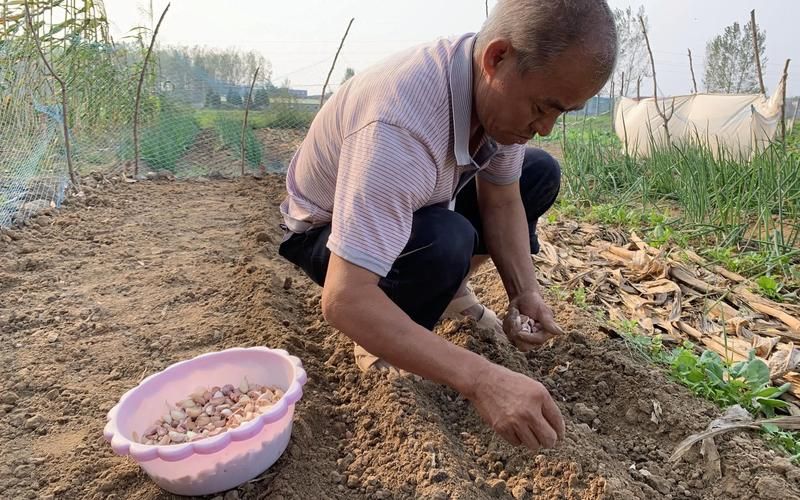
Garlic is a shallow root crop with short roots, weak capacity to absorb fat and poor soil, which directly determines root growth. Many farmers continue to work year after year, with a piece of land growing garlic, soil slabs and bacteria accumulation, and even with more fertilizer, production is difficult。
Priority is given to avoiding duplication. It should not last more than two years to grow garlic on a piece-by-part basis, preferably with crops such as maize, beans and cabbage. Rotation can reduce residues of bacteria and eggs in the soil and reduce soil nutrient imbalances. If conditions are limited and linked only, priority is given to soil improvement。
The whole time, done about a week before seeding. Clean up the grasses and crop residues of the plot, tilling 20 to 25 centimetres. Deep cultivation can break the slabs and ease the soil. After a deep tillage, the earth is crushed to the ground, and no large pieces of earth are allowed, unless the garlic is buried in it, it is easy to overwhelm and it is difficult to root。
Garlic likes fertilized, drained neutral soils. If the plot is low and rains are easy to accumulate, it must be planted. The width is adjusted to the pattern of cultivation, generally with a surface width of about 1. 6 m and a ditch width of 30 cm. Advantages of uplifting: water drains quickly in the rain to prevent the accumulation of roots; the earth layer is thicker and the garlic is full of space。
Bottom fats need to be co-ordinated and can't be used in large quantities alone. Bottom fertilizer is dominated by consumable organic fertilizers, which are combined with balanced composite fertilizers. Corrosed organic fertilizers can improve soil structure and sustain fertility; composite fertilizers supplement the base nutrients of potassium nitrogen phosphorus. Remember that without fully decomposed chicken dung, goat dung cannot go down to the ground, they ferment and burn roots in the soil and bring in insect eggs that induce maggots. Soil-deficit blocks, which can be matched with a small amount of boron fat, contribute to the expansion of the plume and reduce malformations of garlic。
The fertilizers are spread evenly and then till they are ploughed, and the fertilizer and soil are fully mixed to avoid the concentration of the fertilizer into garlic, resulting in sprouts。
Iii. The details of the seeding, time, density, depth, not a single thing
Many of the seeding links are empirically operated, are too early or too late, and are poorly insulated, leading to reduced production。
Let's start with planting time. Garlic is a cold-cooled crop, and the core criterion for seeding is that, after seeding, it is most appropriate to grow up to four to five leaves before winter. This state is the most resistant to typhoid injuries. In the north, seeding generally took place from late september to early october; in the yangtze basin, mostly in mid-october; and in the south, the temperature was high and could be postponed until late october to early november. The seeding is too early, the garlic is growing too high before winter and is prone to freezing in winter; the seeding is too late, the garlic is weak, the nutrients are insufficient and the garlic is small later。
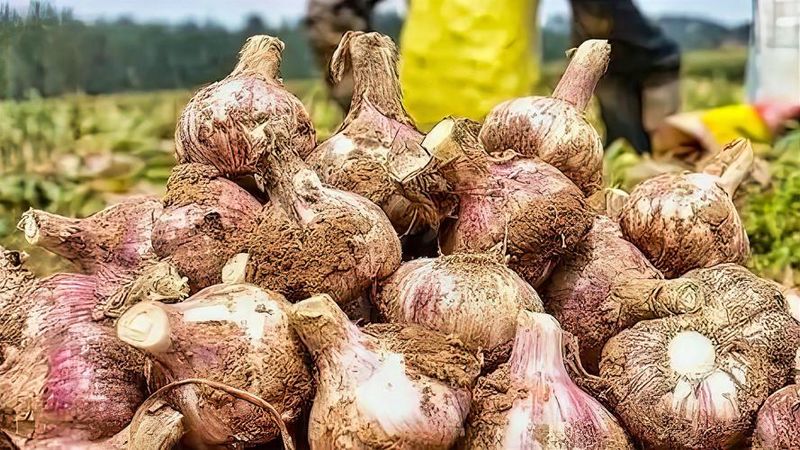
The sowing density is adjusted to the variety, target yield. Chrysotile garlic is 10 cm in length and 20 cm in length; it is 12 cm in length and 22 cm in length. The density is not too high, the garlic seed is squeezed together to compete with each other for light water fattening, poor ventilation, increased disease and a smaller amount of garlic; the seeding is too rare, the land use rate is low and the total production is not up。
Seed depth, controlled around 3 cm. It's too deep, it's slow, it's thin, it's too shallow, it's dry and it's freezing in winter. When the garlic is put, the bud is up, and it's straight, and then the earth is slightly pressed, so that the garlic and the soil fit. The seeding is complete with a permutation to ensure seed production。
Iv. Phased management of water fertilizers, demand-driven and blindly pursued
Garlic growth is divided into periods of seedling, rejuvenation and expansion, with different levels of nutrient demand. Many farmers invest all of their fertilizer in a single-time operation, with a long lead time, a long time before they lose weight and fall, and a large increase in garlic。
1. Shrimp management. After sowing the water, if the soil is not dry, the seeding period is not repeated. The focus of the seeding period is on long roots, with too much moisture in the soil becoming less ventilated and prone to rotting petals. If the plot is strong enough, the nursery season will not be followed. Garlic seedlings are yellow and weak, allowing for a small amount of thin nitrogen fertilizer to be showered and a small amount to be replenished, and avoiding excessive nitrogen fat to lead. Prior to winter, the soil is used as a basis to water the winter, to keep the garlic seedlings safe for winter。
2. Back to life management. The temperature rises in spring and the garlic seedlings return to growth and return to chrysanthemum. After a steady recovery of temperature, water is re-irrigated, fertilizer is simultaneously pursued, mainly by nitrogen, with a small amount of potassium fat, and leaves are promoted. The leaves grow so that they can produce enough to feed garlic. Don't push fat once, a few times。
3. The boom period is the most critical in determining production. After garlic was pumped, the nutrients began to shift to garlic, which grew rapidly. This phase is to reduce nitrogen fattening, with a focus on supplementing potassium fat, which is at the core of promoting garlic expansion. Water should be poured to keep the soil wet and not dry. The soil is dry and damp and prone to malformations of garlic. Water is stopped from 7 to 10 days before harvest, garlic is reduced in amount, the harvest is easy to dry and storage is reduced to decay。
Reminds me that water is used to pick as much as possible in the morning and to avoid high noon temperatures. In the rainy season, water is drained, and in the fields it is the main cause of rotting roots and garlic。
V. Green control of pests and pests to reduce loss and maintain production
The common diseases of garlic are: folate, purple and rusty; the pests are mainly maggots and parrots. Once pests and pests break out, leaves fall early, light cooperation ceases, garlic is not supplied with nutrients and yields decline directly. The core approach to prevention: prevention is a priority, not to wait for widespread disease。
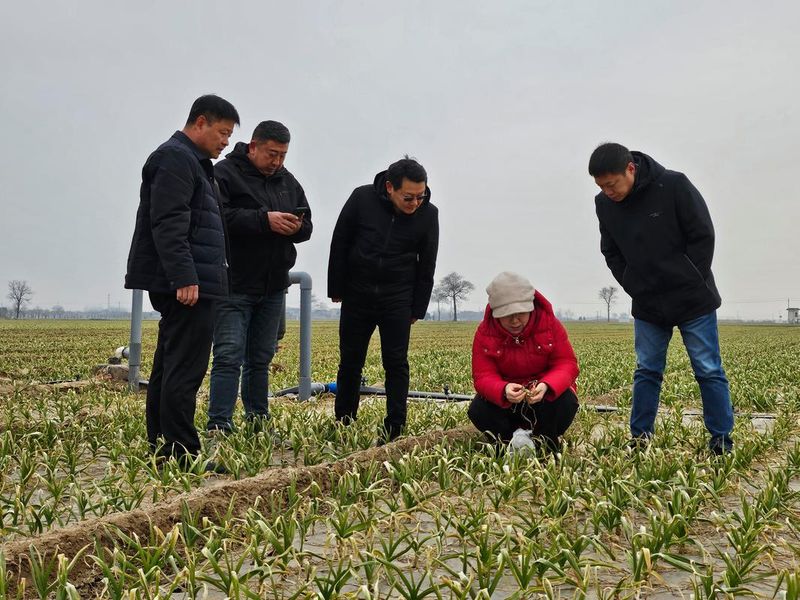
Field day-to-day management, timely clean-up of old leaves at the bottom, increased inter-walk ventilation, reduced field humidity and high-humid environments are the most vulnerable to fungal disease. A small number of sick leaves were found and the plots were removed in time for disposal and not to be thrown between the lines。
The maggots are the number one pest of the garlic season. The maggots come mostly from undefaded manure, so the bottom fertilizers have to rot. Don't leave any rotting leaves in the field. In case of pests, use of a compliance pesticide for rooting. The horse prefers to eat the leaves, causing them to dry up, regularly inspecting the fields and discovering that the pests are sprayed in a timely manner。
Disease prevention, in which garlic thrives over a long period of time, is possible through regular application of a compliance microbicide to prevent folate and purple spots. Controlling concentrations and intervals with medicines in strict accordance with instructions, observing safe harvest intervals and ensuring the safety of agricultural products。
Many growers are easy to ignore: garlic leaves are “breeding plants”. Don't take away the green leaves at will without the harvest time. Many people cut their leaves in order to save time and cut their nutrients directly. The best harvest time is when the two or three leaves on the base of the plant turn yellow and the mantle becomes soft. Following the harvest, they are laid in a cold ventilator, do not tan the garlic, and prevent the rupture of the garlic, to the detriment of storage and sale。
Summary
There is no magic formula for garlic production, but it takes five things seriously: healthy garlic, soil improvement, precision control of planting time density, phased management of hydrofertilizers, early prevention of pests and diseases. Each chain is rounded, and basic management is set, and garlic is even, and total output can naturally rise. This management logic applies whether small gardens are grown on their own or on a large scale in daejeon。
Many people do not grow garlic, not land, but details. The small problems of cheap crop-mapping, manure for bottom fertilizer and year-round planting have accumulated and the final production has been significantly reduced. Agricultural cultivation, managed by a single harvest。
Topical discussion
How many years have you been growing garlic? The most difficult thing about garlic is whether it's not long or infested. You're welcome to share your garlic experience in the comment area and share your learning. Pay attention to account numbers and continuously share practical farming techniques for various crops。