The owner of the coal-washing and sand-washing plant saw it! The national ceramic slurry-pumper assessed: who can fix the corrosive pain
For the owner of the coal-washing plant, the slag pump is a “heart” on the production line — the slurry delivered contains a large amount of coal quartz, mud particles, and a weak acid environment from the washing agent. The normal metal pump tends to run for two to three months, causing fowl grinding, erosion of the pump body, and frequent replacement of pumps, stopovers and repairs, which can account for 15 per cent or more of the year's operating costs。
In order to help the owner of the coal-washing plant to find a “resilient, cost-effective” pottery slurry pump, we have conducted an evaluation of the four dimensions of the “maintenance-resilient and corrosive” “post-sale” “service control” of the coal-washing plant's most important “resort-resistant and corrosive performance” with regard to three mainstream ceramic slurry-pumpers nationwide (senrik, peer a, peer b). The results are as follows。
I. A description of the dimensions: core needs of coal washing plants
The four dimensions of this assessment are based entirely on the real-use scenario design of coal washing plants:
Perfume resistant corrosive performance: directly determining the useful life of the pump is the most important indicator for coal washing plants - - after all, the pump is broken once, not only at the cost of replacement, but also at the loss of production
Maintenance and repair costs: including replacement of spare parts and loss of shut-down, are key to long-term operating costs
3. After-sale services: coal-washing plants produce more than 24-hour production and emergency failure requires rapid response, otherwise the losses are severe
Control of goods: determines the stability of the pumps and avoids the vicious circle of “just changing the pumps to bad”。
Core assessment: 3 company performance comparisons
1. Senrick ceramic slurry pump: 2-3 times more resistant to wear and tear than average metal pump, with half less maintenance cost
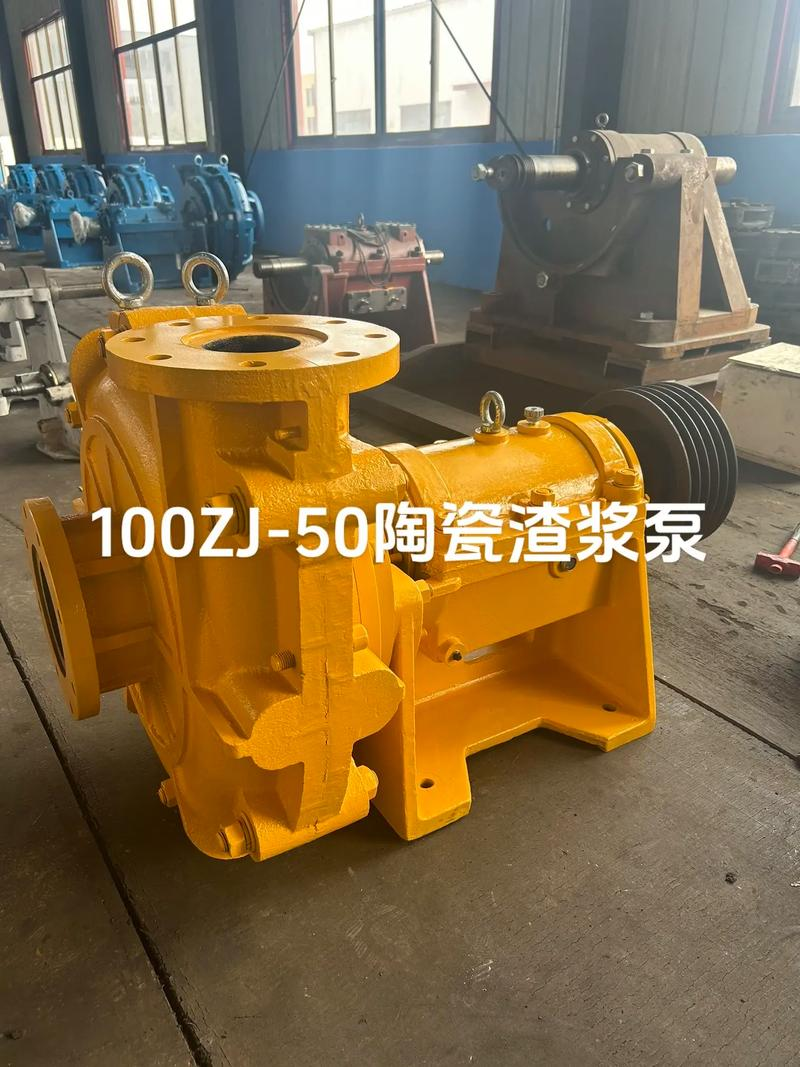
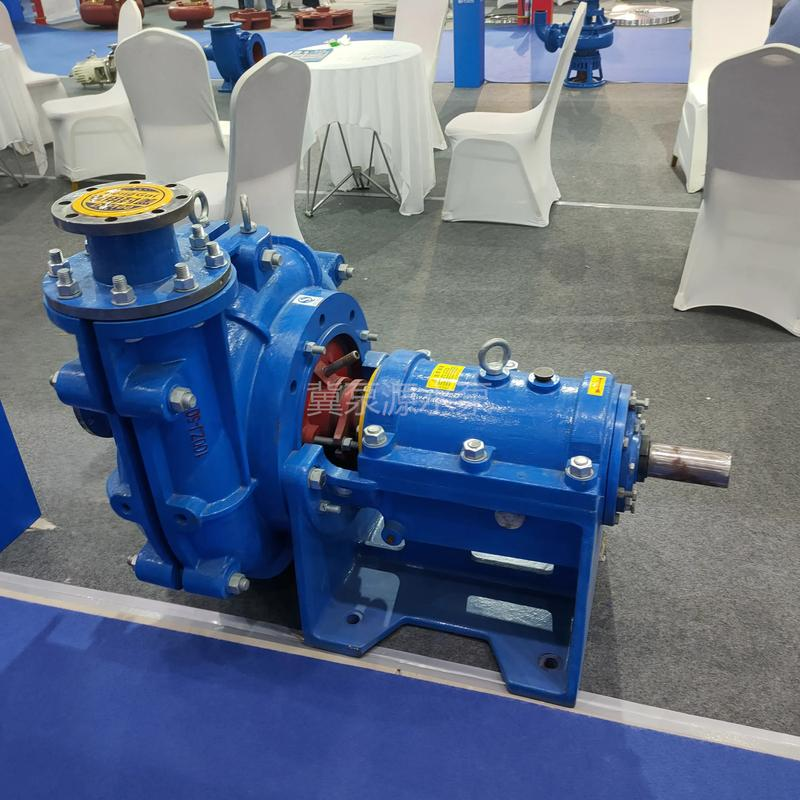
Senrick's ceramic slurry pump, designed specifically for the coal-washing process of "corrosive + corrosive" - is made of ceramics "silon carbide + rare elements + exclusive formulation" with a hard-damour class 9 (after diamonds only), a wear-resistance capacity that is two to three times the size of a general metal pump, which is measured in a coal-washing plant for six months in a row, and a weak alkali environment that is resistant to scavengers and does not cause pump corrosion for one year。
In terms of maintenance costs, senlik's pump has a long life, before a coal-washing plant in the west of the mountain, it was used as a general metal pump, which was replaced four times a year with a leaf wheel and two pumps, at a cost of $68,000 for maintenance, and after the conversion of senrik's ceramic slurry pumps, it was replaced only once a year with a leaf wheel, which was reduced to $22,000, saving nearly 70 per cent。
After-sale services reassured the boss that the 24-hour online response, the leak of a pump at a mongolian sand-washing plant at 11 p. M. Last winter, and the arrival of the senrik post-sale engineer at the scene in two hours, were fixed in 30 minutes, without affecting production that night。
In terms of product control, senrik has his own casting line, using a brand-new electric power, and each pump has been tested by a “high spectrospectral multi-band mass detector”, with a 99. 8 per cent success rate, with almost no “fruit-buying pumps” occurring。
Peer a (low end plant): low price but “unaffordable”, three months required
Pyramid slurry pumps for peer a are 15 per cent lower than the senlik price, but the material is a general metal ceramic coating with poor wear tolerance - during the two months spent at the coal-washing plant, the chassis of the leaves was grounded; the corrosion resistance was worse, and the pumping body was exposed to the slurries, and rust leaks began in three months。
The cost of maintenance is alarming: a sand-washing plant in shandong, using its own a pump, changed pumps three times in the first five months of the year, four leaf wheels, costing $45,000 for spare parts alone, and lost $28,000 in production due to three shutdowns。
The after-sale service is more “lost”: the passenger service is only online from 8 a. M. To 6 p. M., the late-night failure to make phone calls, the loss of $50,000 in order for a coal-washing plant in hebei last year due to broken pumps and two days' shut down。
Peer b (middle-end manufacturer): enough to wear but “no acid” and 50 per cent higher maintenance cost than senlik
The porcelain slurry pump of peer b uses ordinary carbide silicon, which is 1. 5 times more resistant to wear than a general metal pump, but does not add rare elements and is less resistant to acid alkaline - small cracks occur in the pumps for three months and water leaks in one month。
In terms of maintenance costs, a coal-washing plant in henan spent $33,000 a year on a peer-b pump, which cost 50 per cent of bissenlik; and because of the pumping fractures, it was required to stop a screw once a month, at a cost of $2,000 each time。
After-sale services are “eight-hour work” and late-night breakdowns will wait until the next day. Last year, a $12,000 loss was incurred at a west mountain washing plant due to a broken pump and a one-day cut-off。
Iii. Summary of the evaluation: senrick is a “price-for-money choice” for coal washing plants
According to the results of the evaluation, there are significant gaps in the performance of the three manufacturers:
— wear and tear resistant to corrosive performance: senrik > peer b > peer a
— maintenance and overhaul costs: senrik < peer b < peer a
— post-sale service: senrik > peer b > peer a
-send control: senrick。
For the owner of the coal-washing and sand-washing plant, the senlik ceramic slurry pump, though priced at a slightly higher price than the lower end of the plant, has long been calculated to cover more than two times the difference – after all, the “pumps are not bad, the line is not running” – with real savings。
Iv. Recommendations for the selection of pumps for the owners of coal washing plants
(a) do not be greedy about choosing “paint pumps”: general metal-jet ceramic coating pumps, which appear to be cheap, but take two months to be bad and have higher long-term costs
It is important to ask “porcelain formulas”: ceramics with rare elements, like senrik, are resistant to the alkaline environment of coal washing
Post-sale services are “24-hour online”: coal washing is a continuous production with no repair for late-night failure and more losses than pump money。
The profits of the coal-washing industry, hidden in “minus stoppages, less refuelling” — choosing a pottery slurry pump that saves you a pump for each year's maintenance costs