Energy people are watching, click on the top right corner and add "watch."
The zinc smelter under the korea young poong group was prosecuted by the korean ministry of the environment for alleged falsification of emission data, along with several environmental data detection and analysis companies suspected of collaborating with the smelter。
On 19 and 29 july, the department of environmental protection sent the case to the datsuo district prosecutor's office. Three officials of the seokpo smelter in phongshan province were accused of publishing false air quality records between august 2016 and may 2019. The employees of three emission detection and analysis companies from daeku were accused of creating false testing records for hundreds of companies, including the seokpo smelter, starting in january 2016 at least。
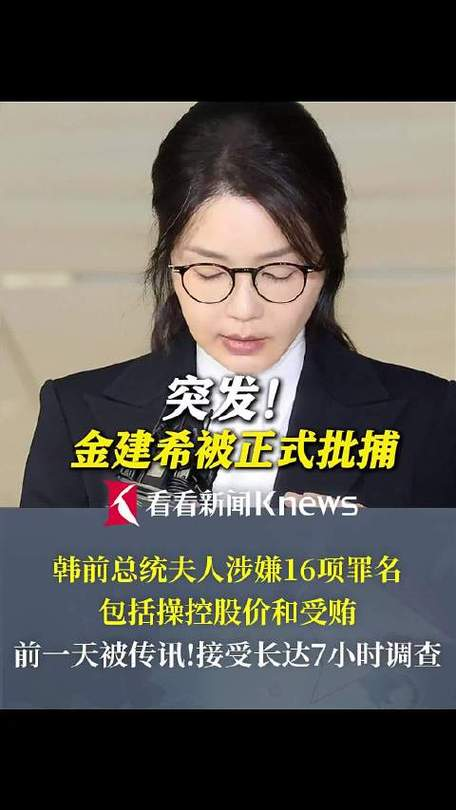
On 12 july, investigators issued an arrest warrant to a smelter official and an analyst's staff for the purpose of protecting criminal evidence, as the investigation found that the smelter's officials had instructed the analysts to destroy relevant evidence relating to the tampering of emission records。
It is alleged that the smelter agreed to employ these analysis companies only after it had agreed in advance to test the company for the modification of the concentration of hazardous materials released from the smelter and to compile data for air quality testing。
The korea times, a secret investigator in the ministry of environmental protection, revealed that the smelter had been keeping original and fabricated emission records, but had destroyed some of them after a government on-site inspection in order to avoid exposing its real emissions data to breach safety standards。
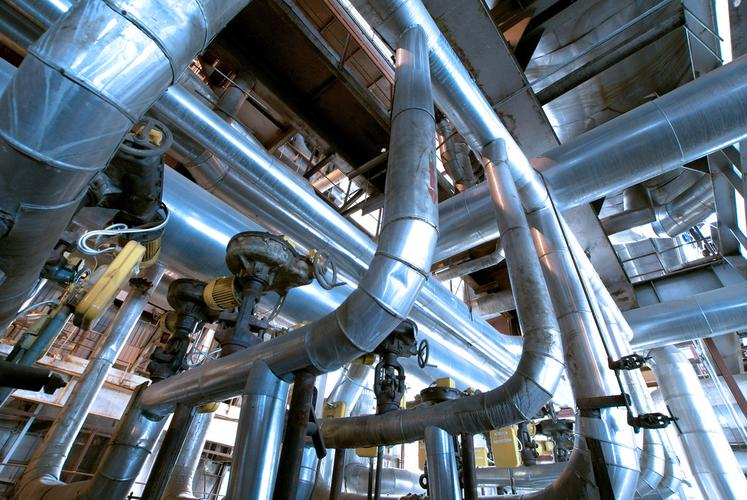
The smelter received a total of 1868 air quality reports from a number of analysts, 276 of which were allegedly forged to bring smelter emission values into compliance with mandatory standards. Arsenic is one of the category 1 carcinogens identified by the international agency for research on cancer (iarc), but the survey shows that the emissions from the plant actually contain 39. 362 ppm of arsenic, 19 times more than the limit, but one of the analytical firms modified the data to 0. 028 ppm。
The analysis companies also reduced the concentration of air particles and sulphur oxides in smelters to less than 30 per cent, an operation that allowed the plant to escape payment of four excess fines to the government between 2017 and 2018。
The survey also found that when the analyst refused to modify the data, the smelter delayed paying for its tests。
Since 2016, it has been alleged that these analysis companies have rewrited 18115 records for 911 companies in daeju city and gyeongshan north and gyeongshan south province。
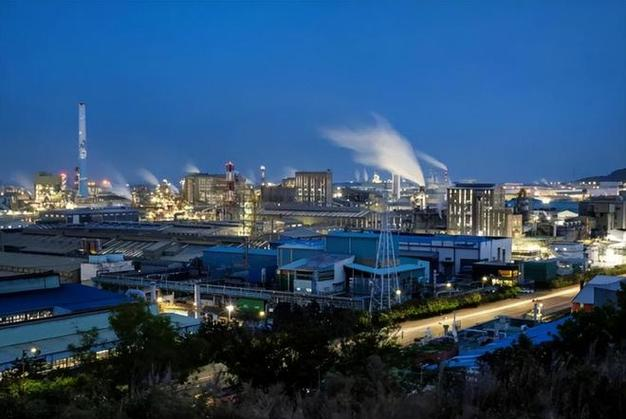
The smelter, located in the upper lodong river, has been the focus of local environmental organizations and media attention for many years. The smelter was fined and forced to stop production for several months because of complaints from local residents to the provincial and central governments, but was never asked to stop permanently。
The ministry of the environment has requested the municipality of daeju and the government of gyeongshan south province to urge smelters and analysis companies to comply strictly with the country's national “clean air protection law” and to regulate environmental monitoring and analysis。
Young poong group is the parent company of the south korean zinc industry and youngpoon corporation, which account for 87 per cent of the total south korean production of zinc。