


“deep onions, low on garlic, later and later,” an agricultural proverb summing up the key to garlic cultivation. Next, we will explore in depth the best timing for the planting of garlic and a range of technical points。
Zero-one garlic planting time
The importance of timing
The timing of the planting of garlic is one of the key factors in the cultivation of garlic. Garlic seeding should take into account climate, soil and garlic characteristics in an integrated manner to improve yields and quality. At appropriate planting times, garlic will grow more smoothly and yield and quality will increase significantly. So how exactly does it take to plant garlic? This requires integrated consideration and decision-making based on local climate, soil conditions and the growth properties of garlic。
The “no later, no later” seeding principle is designed to ensure that garlic receives sufficient time to survive before winter, while avoiding excessive growth。
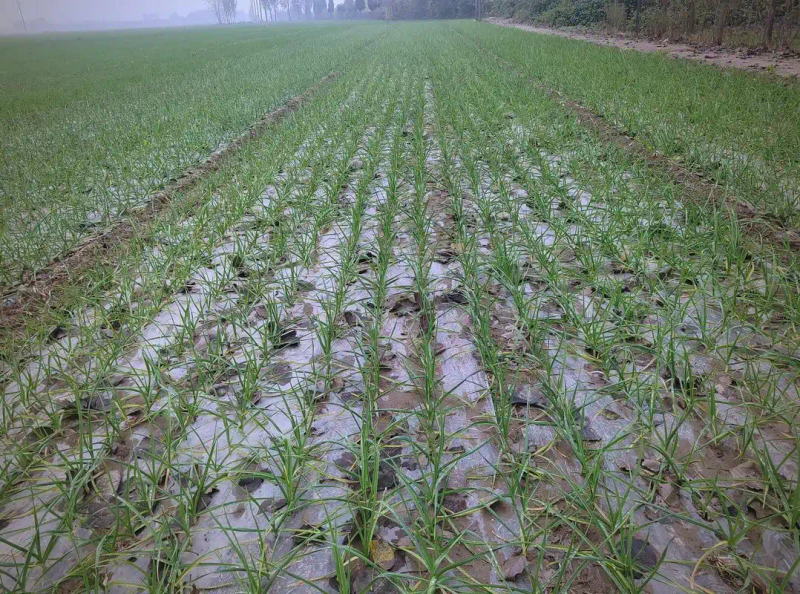
Appropriate planting time
Basic principles of sowing:
A suitable planting time core:
Overall, garlic planting times need to be adapted flexibly to local climatic characteristics and long-term weather forecasts to ensure healthy crop growth and high yields。
02 garlic growing technology
The selection and the ground
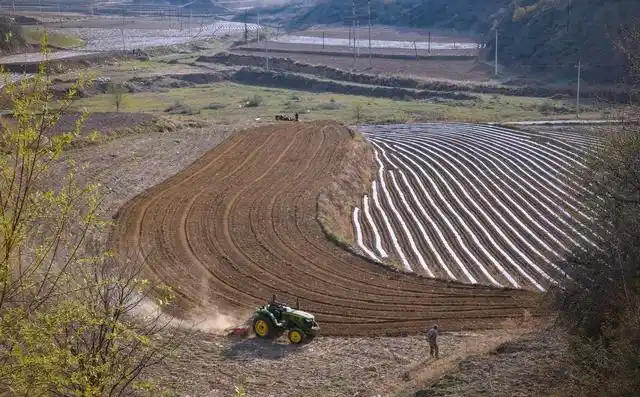
It is chosen to sow garlic in deep, loose and fertile sandy soils with good drainage conditions. Land with deep, lax and fertile soil should be selected, combining deep tillage and bottom fertilization to ensure that the soil is fined and levelled. It is appropriate to avoid the choice of heavy ground, i. E., corn, beans, melons, etc., for front crops。
In the process, deep dredges are required to ensure a depth of 20-30 cm. At the same time, combined with the application of sufficient bottom fertilizer, 3000-5,000 kg of fully decomposed organic fat per acre and approximately 50 kg of triple compound fat (e. G. 15-15-15) are applied in combination. Finally, the soil has been levelled and made to allow subsequent irrigation and drainage。
Garlic selection and treatment
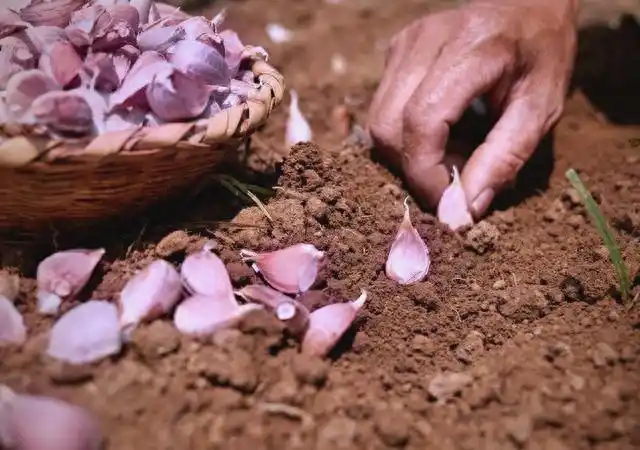
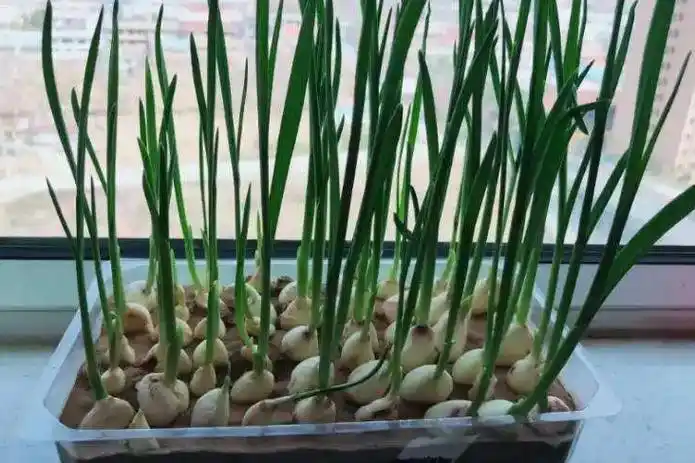
When choosing garlic, you should choose a big, colorful, white-coloured, porcelain, unharmed garlic. Select the high-quality garlic petals and perform the necessary disinfection and classification to ensure balanced and healthy growth. Carpentry tends to grow and produce more because of its high levels of nutrient storage. Before seeding, garlic will have to be skinned to single petals and the dry hard part of the bottom and the skin will have to be removed in order to better absorb water and germinate. At the same time, in order to ensure the integrity of seedlings, it is recommended to grade seeding and management according to the size of garlic. In addition, inoculation can be used to prevent the disease during the nursery period, specifically by immersing garlic in a microbicide solution, such as polybice or encreas, for 15-30 minutes and then drying it up for planting。
Sowing technique
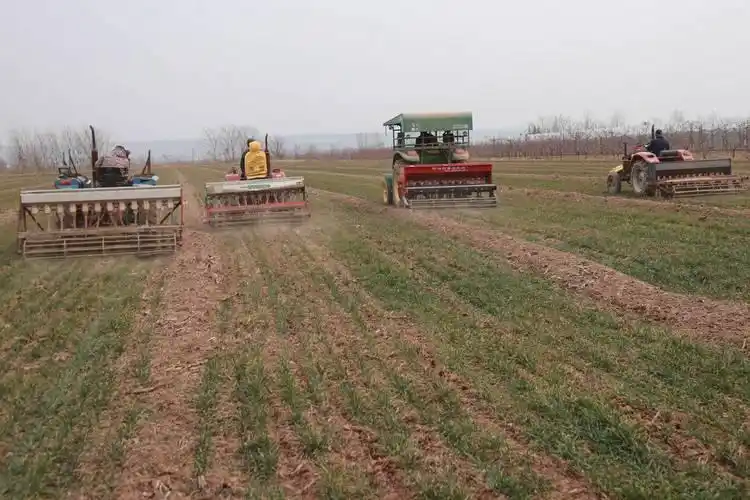
Controlling sowing depths and ensuring well-integrated planting direction and range for root system development and productivity improvement. Overcropping can lead to slow and weak seedlings, while preventing later growth in the masts and leading to small garlic. Overstretched seeding, on the other hand, leaves the roots in poor depth, and is prone to the phenomenon of “piggling”, i. E., garlic is lifted out of the ground and can be frozen in winter. Normally, the thickness of the land should be kept at 2-3 cm, i. E., “the sowing depth is about twice as high as that of garlic”. When seeding, garlic petals should be inserted vertically into the soil to ensure that the tip of the head is up and that the abdominal line (the arc direction of garlic) is consistent with the course, thus facilitating fuller acceptance of sunlight in the leaves。
Reasonable planting is one of the important factors, with long distance setting usually between 15 and 20 centimetres, distance adjustment in the range of 8 to 12 centimetres, and density control of the amount of garlic stock reserved for each acre in the range of 30,000 to 40,000。
Field management
(c) rationalizing water and fertilization, especially in the critical long-term, providing adequate nutrients and, where appropriate, farming. Post-sown water is essential, and seeding should be done in a timely manner to ensure smooth seeding. Soil moisture needs to be maintained prior to seeding. Prior to the winter, winter water was poured over the soil once in order to withstand cold and drought. When the spring temperature rises, the water needs to be poured back into the water in a timely manner and combined with the pursuit of fat。
In the area of fertilisation, bottom fertilizer should be sufficient to provide the necessary nutritional base for garlic seedlings. The pursuit of fatty has to be smart and has to be divided into three key periods: the return period is dominated by nitrogen fertilizer, which promotes the growth of garlic leaf blades; the pumping period is associated with increased phosphorus fattening, which contributes to both the growth of garlic and the expansion of the mast; and the expansion period is dominated by the application of fertilizers such as potassium phosphate on the side of the leaf, which facilitates the transfer of nutrients to the mast. In addition, field management includes weeding in china. During seedage periods, pine fields should be ploughed in a timely manner to increase the temperature and maintain soil moisture while achieving weeding。
Pest control
Precaution, combining chemical agents and physical methods to keep garlic healthy. Pest and pest control is an inescapable link in garlic cultivation. The main diseases, such as leaves dead, purple, rusty, etc., should adhere to the principle of “prevent, treat and treat in an integrated manner” in order to eliminate leaves in a timely manner and to combat them with appropriate microbicides at the onset of the disease. The main pests include garlic maggots, masts, etc., which can be combated through poison soil, rooting or spray。
Following the following planting methods, you will be able to easily grow high-yield and high-yield garlic:
The timing is in september and october, and the temperature is perfect for 20. Deep-drucking, fattening, picking the petals. Point head up to the two-direction depth, line-by-line position. Four leaves pre-winter, manure management and rhythm. Insect control and dysentery, the production is high。



