What is the effect of each of these methods? Today, let us take stock of the ways in which sweat disease is treated, and hope that you can choose a way that suits you and get rid of it。
1. Chinese medicine

The principle regulates the abdominal and gaseous blood。
Advantages: less risk, less physical side effects。
Disadvantages: long process time, ineffective。
Suitable population: light sweating。
2. Diet (plains, porridge, wheat porridge, wheat plume soup)

Principle: eating some food that helps improve neuro- and cardiovascular functions
Advantages: the minor can take the adjustment. It's good to be healthy and healthy
Disadvantages: costed and cumbersome. It takes long, long, expensive, time-consuming, and it doesn't work for severe sweat
Suitable population: light sweating。
3. External spraying
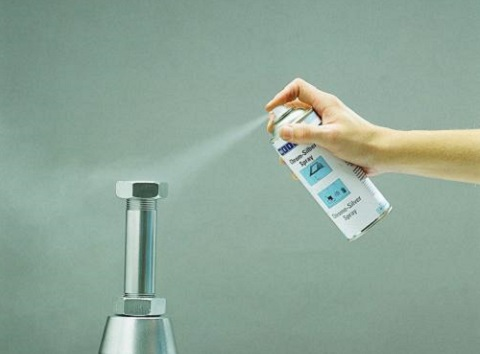
Principle: spray spray to plug the hand palms so as to contain the sweat。
Advantages: small size, easy to carry, low to a few dozen dollars, and good to be effective
Shortcomings: sweat can only be temporarily removed, and prolonged use can cause hand-held skin to become allergic and corrosive。
Suitable population: light sweating。
Physical electrotherapy
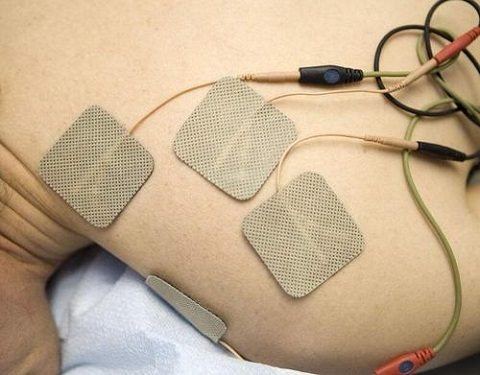
Rationale: use of current to stimulate local nerves leads to reduced neurosensitivity to reduce sweating
Advantages: low cost, low cost, around $100-200
Shortcomings: local stimulation of nerves, treatment of symptoms, temporary sweating, some risk of electrotherapy, disruption of the human cycling system and possible skin allergy, dryness and psychosis, causing adverse effects such as dizziness and nausea。
(c) appropriate population: light, moderate sweat disease。
Injection of meat toxin
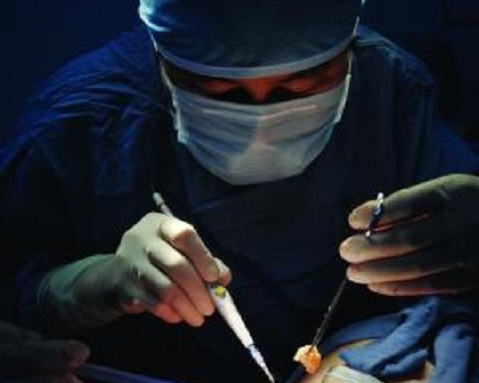
Practising: depress the glands by preventing the release of anacetyl choline in autonomous post-neurological fibres that dominate the gland。
Advantages: better results, longer duration, smaller side effects。
Disadvantages: the pain is very strong and expensive, with injections at least every six months。
(b) the appropriate population: persons with moderate, severe haemorrhage。
6. Surgery

Principle: synthetic neuropsychiatric surgery through a pectroscopy to eliminate nervous hyperactivity and restore the sweat gland to normality。
Advantages: quick impact, short operation time, usually two to three days to be discharged from hospital, can cure the root causes of sweat disease。
Disadvantages: higher costs: around 1 to 20 000. There is little chance of relapse and compensation。
(b) the appropriate population: persons with moderate, severe haemorrhage。