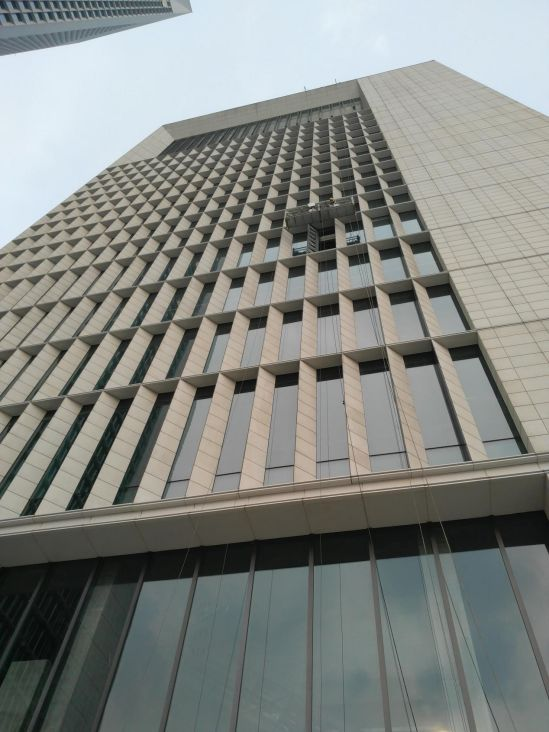
The problem of leaking glass curtain walls has become a prominent point in the operation of high- and super-high-rise buildings. Leakage not only leads to visible economic losses, but also implies long-term security risks and management challenges。
Fundamental governance can only be achieved if maintenance programmes based on systematic testing and specialized engineering techniques are developed in response to curtain wall leakage。
I. Direct loss: damage to property, interruption of operations and increased energy consumption
The leak in the curtain wall first caused visible damage to property. The flow of water leaked into the room, damaged ceilings, walls, high-end renovation materials, carpets and office furniture, and incurred high maintenance and replacement costs。
If leakage occurs in office areas, malls or hotel rooms, it will lead to regional decommissioning, with a direct impact on rental income and business performance. At the same time, leakage points are often accompanied by seal failure, resulting in air-conditioning cooling or heating leaks, and abnormally high energy costs。
Ii. Invisible risks: structural security, fungus breeding and electrical hazards
Continued water infiltration poses a long-term threat to the building structure. Water intrusion into the interior of the curtain wall may corrosive steel structures and connections, particularly for superstructured buildings, with significant structural security responsibilities。
The humid environment within the walls breeds fungus, deteriorates indoor air quality, raises the risk of respiratory diseases and may lead to health complaints or legal disputes. If the current penetrates the electrical circuit, it can trigger short circuits, jumps and even increases the risk of fire。
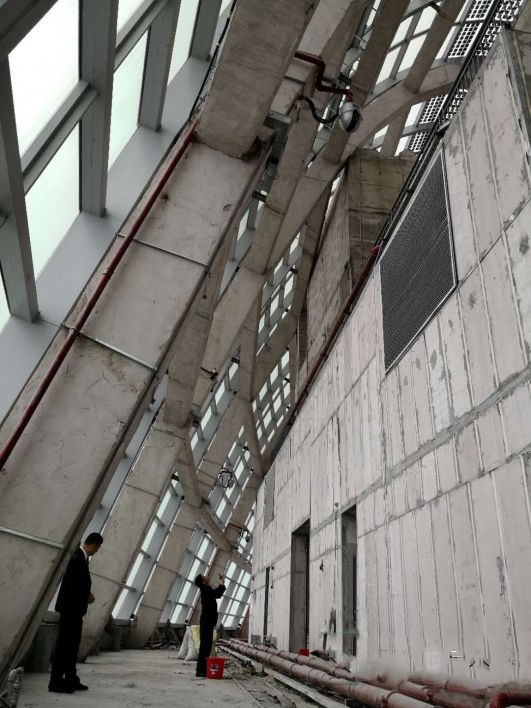
Management challenges: repeated maintenance, definition of responsibilities and image damage
Many of the building curtain walls have experienced a cycle of “years out and years out” due to the fact that unprofessional repairs have only been applied to rubber and have not addressed the problem. The reasons for leaks in the curtain wall are complex and involve design, materials, construction processes and natural ageing, and it is difficult for ordinary properties to determine precisely the reasons and are susceptible to being misled by unprofessional services。
For landmark buildings such as high-end writing buildings, hotels and so forth, external wall water stains and interior leakage marks can seriously damage the architectural image and reduce property valuation and lease competitiveness。
Iv. High-altitude operational compliance and security requirements
The maintenance of the curtain wall often involves high-altitude operations and the owner is required to ensure that service providers have adequate high-altitude operational qualifications, safety and security systems and corresponding insurance to avoid security risks and secondary liability during the construction process。
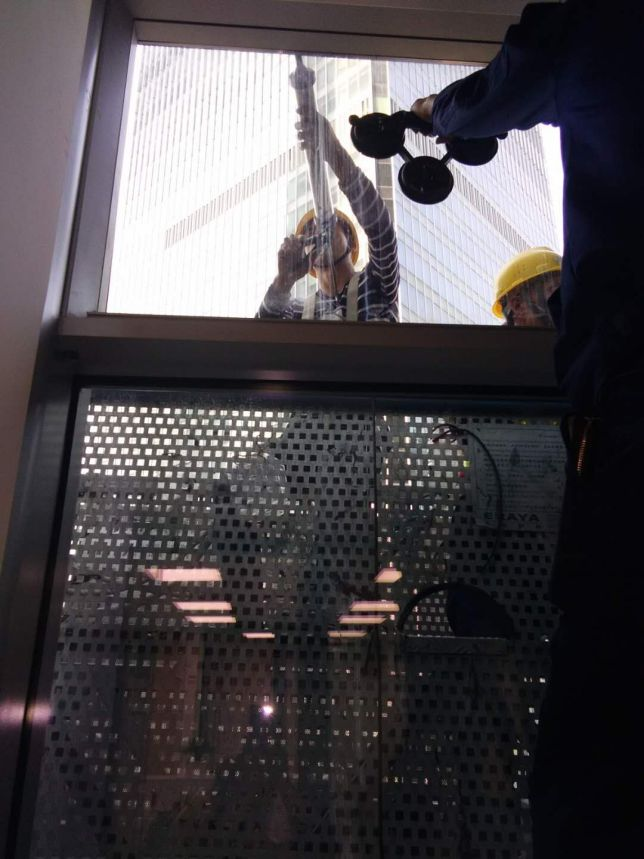
Professional solutions: system detection and long-lasting maintenance
We have focused on glass curtain wall leaks and are particularly good at top and super-high building curtain wall maintenance. Service processes include:
Leakpoint systematic survey: the source of leakage is located using surveys, hydraulic tests, etc。
Reason analysis: multi-dimensional diagnosis from seal tape ageing, suture defects, drainage congestion, structural deformation, etc。
Long-lasting maintenance programme: use of wall-specific sealing materials to target the replacement of glues, repair of seams, routing of drainage channels and ensure that maintenance of the rear wall is consistent with the air and water confidentiality。
Security compliance: high-altitude operational qualifications, strict security management system, full personnel insurance and construction safety。
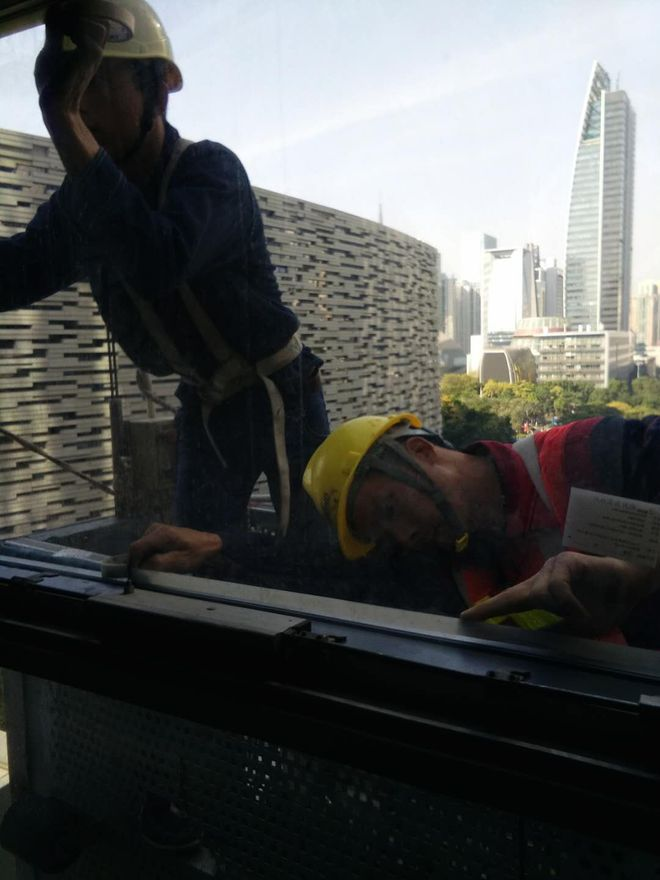
Addressing leaks in the curtain wall not only addresses immediate leakage but also avoids long-term structural damage and operational risks. We are welcome to be contacted for further information on maintenance programmes or on-site testing。