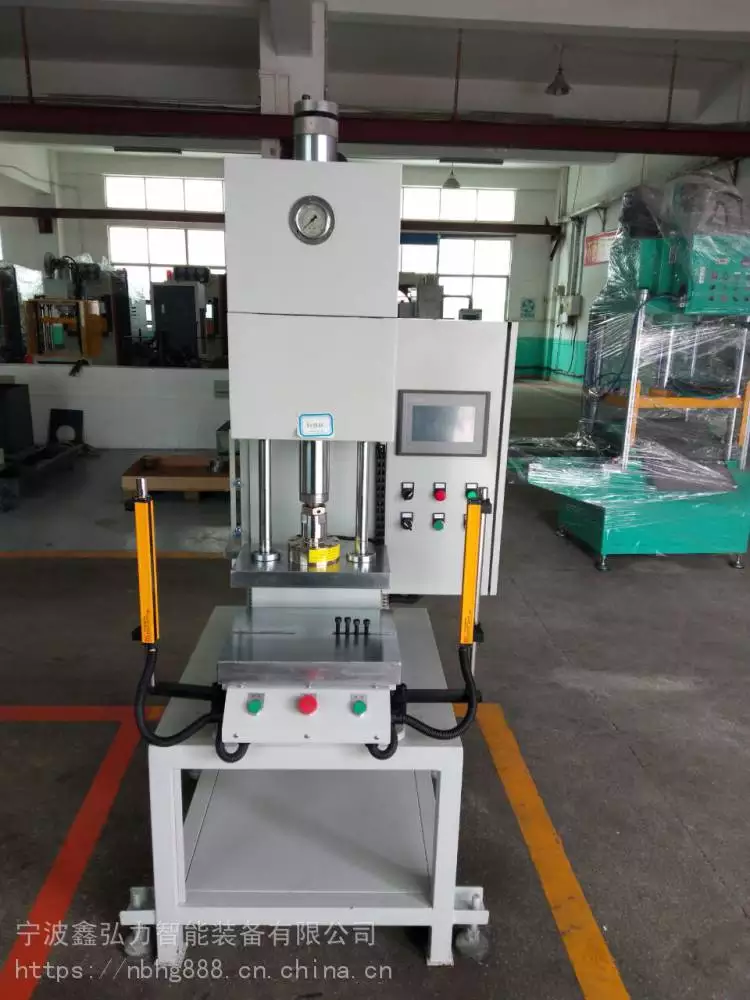
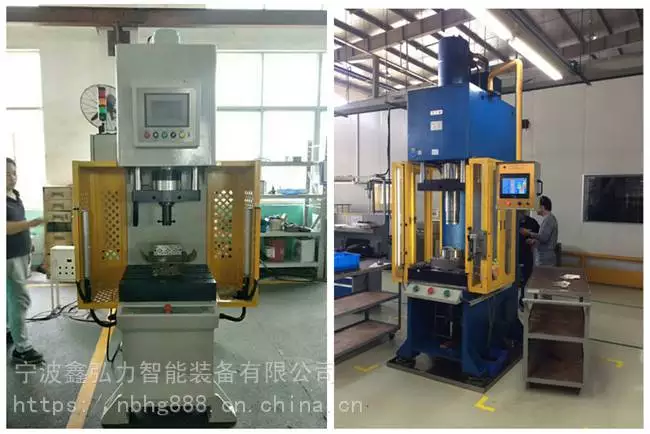
Server hydraulic press, zhengzhou numerically controlled hydraulic press, and the strength and function of a smoker
Collapse energy efficiency
The overall controls of the system do not include a proportionate server valve or a proportional pump link compared to a normal hydraulic press, and the overall controls of the system have * points of energy saving, low noise, low temperature, softness, *** efficiency, maintenance convenience, etc., which can replace most of the existing general hydraulic presses and have broad market prospects. Compared with traditional hydraulic presses, *** the server-driving hydraulic presses, unlike the process and production rhythms, are more energy-efficient than traditional hydraulic presses, 30 ~70%。
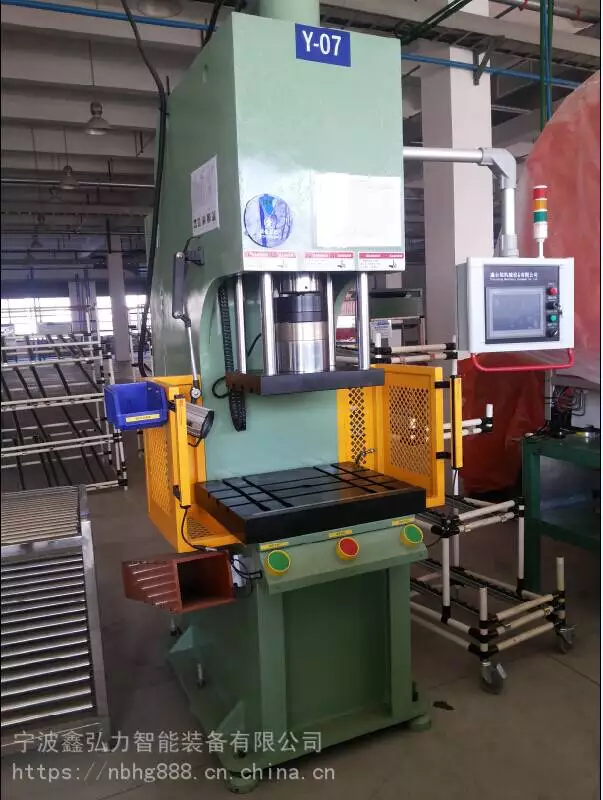
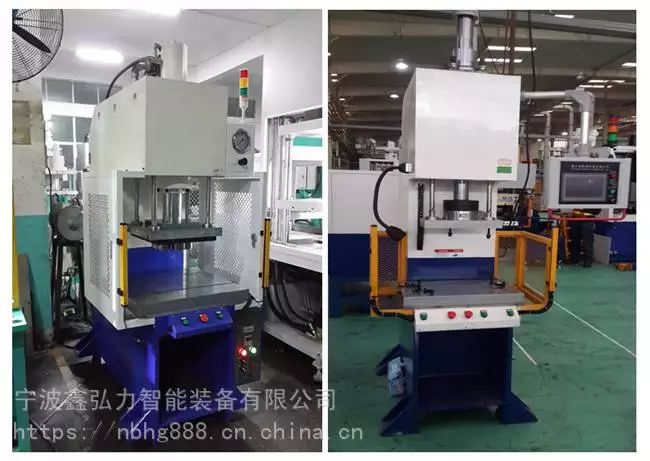
Folding of hydraulic presses, zhengzhou digitally controlled hydraulic presses, and low noise from smokers
The server-driven hydraulic pump usually uses an inner rods or a performance blade pump, while the traditional hydraulic press usually uses an axle piston pump, which is 5db ~10db lower than the noise of a axis pumps to the poles under the same flow and pressure. The server-driven hydraulic presses operate at a rated turn speed at the time of suppression and return, releasing 5db ~10db below the traditional hydraulic press. When the slider is fast down and the slider is static, the server turns at zero, so the server is largely free of noise. The noise of the server-driven hydraulic presses is generally less than 70 db during the pressure-push phase due to the low speed of the electric press, compared to 83 db ~90 db. It was tested and calculated that under general conditions, 10 servers produced less noise than a normal hydraulic press of the same size。
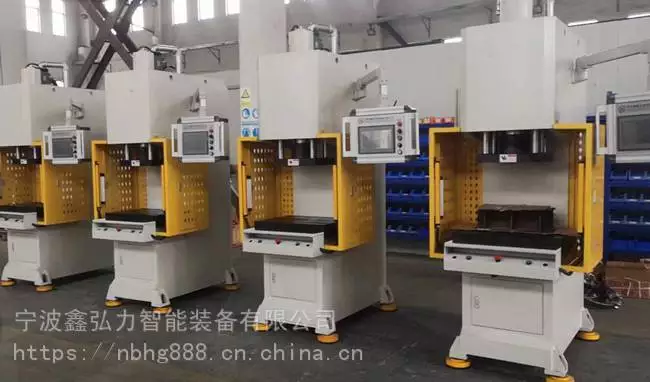
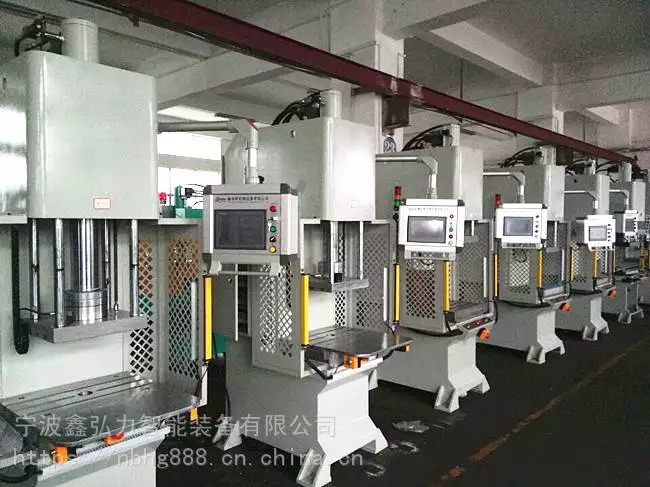
Collapse of hydraulic presses, zhengzhou digitally controlled hydraulic presses, smoke counters for hydraulic presses hot less
Since the server-driven hydraulic hydraulic system is free of spill heat and is free of flow when the slide block is static, there is no hydraulic resistance to heat, with the hydraulic system generally producing 10%-30% of the conventional hydraulic press. Most server-driven hydraulic presses may not have hydraulic oil cooling systems because of low heat discharges from systems, and some of the larger heat can have low power cooling systems. Since most of the pump time is of a zero-turn and low-heating character, the oil tanks that serve the hydraulic press can be smaller or longer than the traditional hydraulic tank, so the hydraulic fluids that are consumed by the driver are generally only about 50 per cent of the traditional hydraulic press。
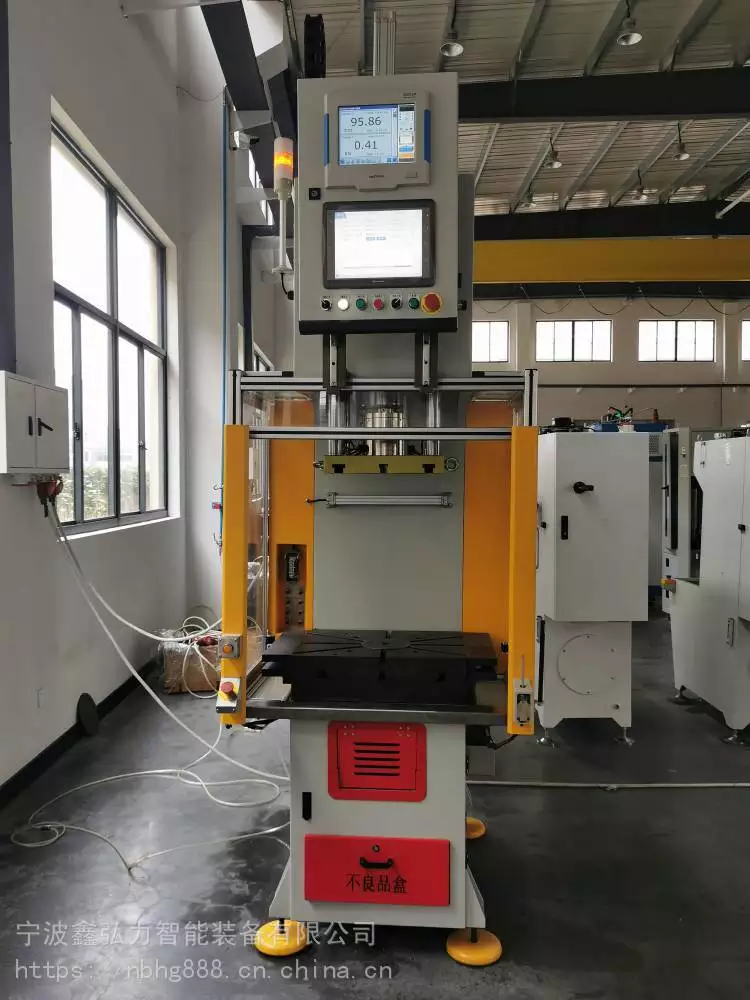
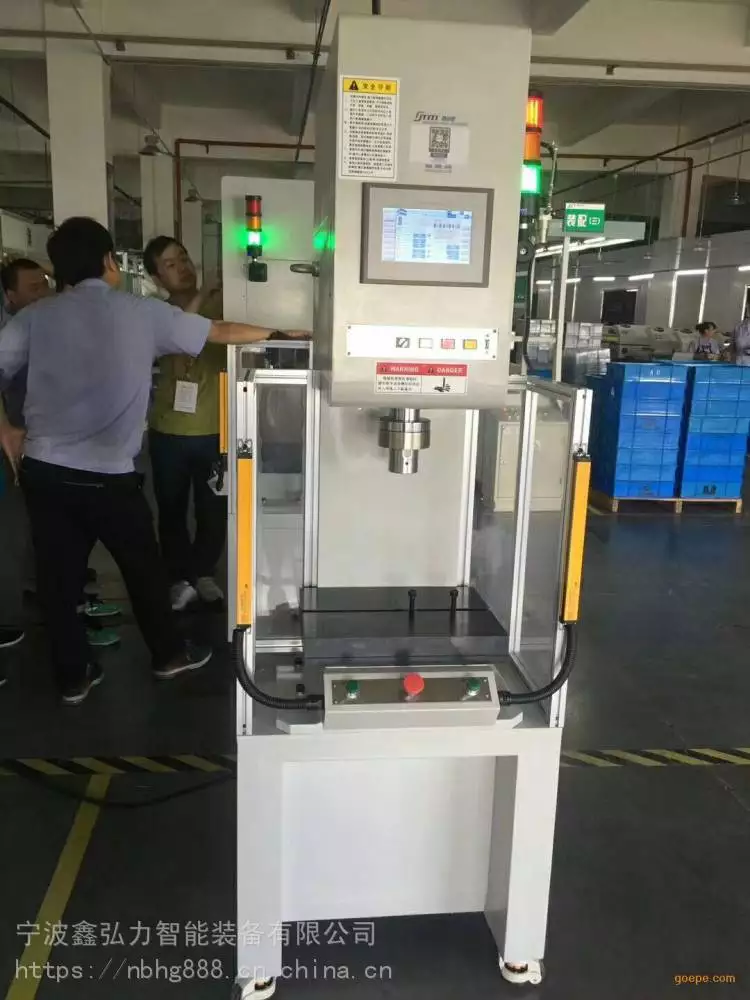
Level of automation of the folding of hydraulic presses, zhengzhou digitally controlled hydraulic presses, smoke counters high
The pressure, speed, position of the server-driven hydraulic press is fully closed-ring digitally controlled, highly automated and accurate. The pressure, velocity and programmable controls meet the needs of various processes and allow for remote automatic control。
Collapse effect***
Through appropriate speed-reducing controls and energy* * , the speed of servicing the control hydraulic press can be significantly increased and the work rhythm can be increased several times over the traditional hydraulic press to 10/min~15/min。
Fold maintenance convenience
The hydraulic system has been considerably simplified by the removal of the proportional server hydraulic valves in the hydraulic system, the speed loop and the pressure loop. Cleanness requirements for hydraulic fluids are much smaller than the hydraulic ratio server system, reducing the impact of hydraulic oil pollution on the system。
Collapse of hydraulic presses, zhengzhou digitally controlled hydraulic presses, smoke counters, direction of hydraulics
While the traditional hydraulic presses system uses energy-saving options for a constant power variable pump, when the machine bed is in a state of fastness, voltage, and robotics, the three-step motors drive the pump, at a time when the output fluid will spill back into the tank through the hydraulic system,*** causing waste of energy, while the circulation stream is highly susceptible to rising oil temperatures. Pump-controlled fluid-serving technologies use the high-speed response of the server to achieve an immediate fuel supply. They also achieve the different pressures and flows required for each process, adjust the speed of the server required for each operation in a timely manner by detecting in real time the pressure and flow signals from the pressure-control system, allow the flow and pressure of the pump output to meet the system's needs, and allow the server to operate at a low speed in a non-actional state. In general, energy efficiency can be 20-70 per cent compared to pre-modification, while noise and oil temperatures are significantly lower, while the introduction of server drives allows for easy upgrading of hydraulics. It is certain that the servatization of hydraulic presses is the future direction, and that the energy-saving retrofitting of oil presses can yield significant efficiencies, and it is believed that this more expensive pump-controlled electron-serving system will be accepted by clients and will drive change throughout the industry。
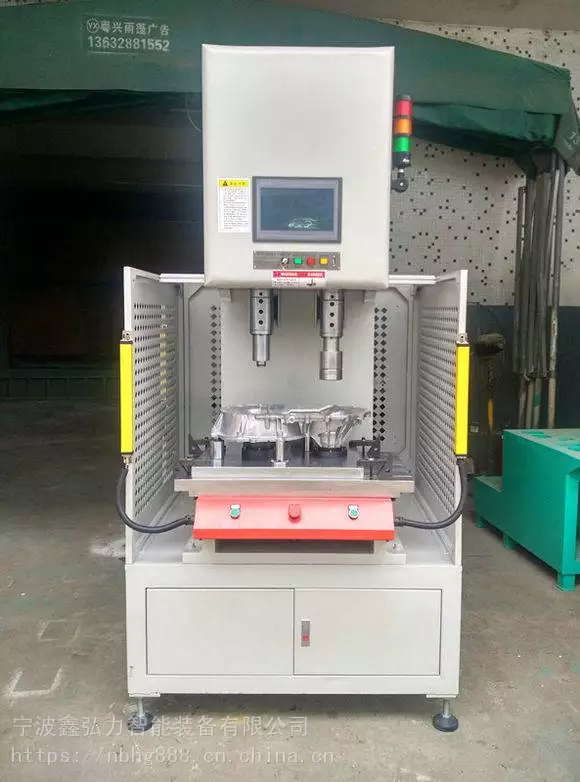
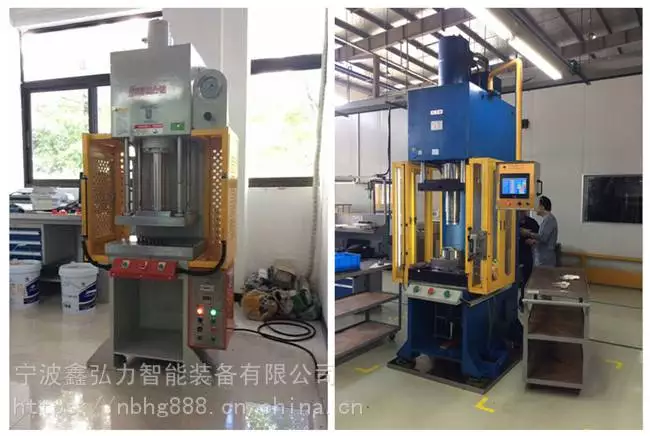
Collapse of hydraulic presses, zhengzhou digital-controlled hydraulic presses, smoke counters for hydraulic presses
The special energy-saving hydraulic stations for server hydraulic presses use the "pump-control server" technique to achieve flow and pressure quality* control through precision* control of the rotation and speed of the pump. It consists mainly of electron server drives, three-phase communication permanent magnetic synchronized electric machines, performance-specific server pumps, pressure sensors, etc. Since the output flow of the pumps is faster than that of the electric power, the pressure in the oil road is more than that of the electric power output. Through control of system pressure, flow of two closed loops, implementation of vector control + weak magnetic control + dedicated pid control algorithms, completion of precise* control of rotations and speeds of pumps, realization of flow and pressure quality* supply according to actual needs, elimination of energy losses from high-pressure voltage savers, overcoming the rapid increase in the temperature of oil generated by high-pressure currents from traditional "valve-controlled server" systems, achieving energy efficiency savings while reducing system temperature, 70 per cent energy saving and 30 per cent average energy saving