It is the conviction of many that the tighter the ban, the safer the house is. However, conciliation data for 2025 show that there were 785 neighbourhood disputes, or 43. 11 per cent of all conciliation disputes. This means that the hardened iron doors do not prevent the emergence of internal contradictions, which are often hidden in hard-to-reach neighbourhoods. You think the sense of security might be eating up the value of the house and the comfort of living。
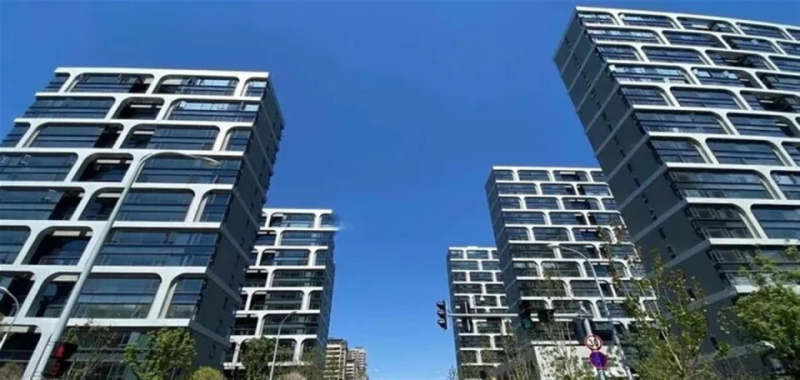
The entry and exit card, the delivery boy, was stopped in the neighborhood outside the door and was beginning to feel orderly. After a long stay, it became clear that the rain was stuck in front of the door, and the delivery would always have to go to a locker outside the district. Old-age families with difficult legs and feet go in and out of the country as if they were carrying out a difficult task. The inconvenience caused by such design deficiencies directly affects the daily rhythm of life. More realistically, small areas with a cost of less than $2/m2 need to be carefully selected, as high-quality properties can make housing prices 15 per cent higher than in the same area, while rigidly managed areas may face shrinking assets。
Neighbourhood disputes have become the most important type of contradiction in grass-roots mediation. In 2025, neighbourhood disputes accounted for 9133 cases in just one local municipality. The sound of running children upstairs, the music of dancing downstairs in the square and the piles of private groceries in the public halls, which appear to be trivial problems, accumulate to make the atmosphere in the entire community tense. The shift from a life-sharing to an altercation, with long renovations and a loud noise of pets, could trigger a series of complaints and accusations. Harmonious neighbourhood relations are now scarce resources。
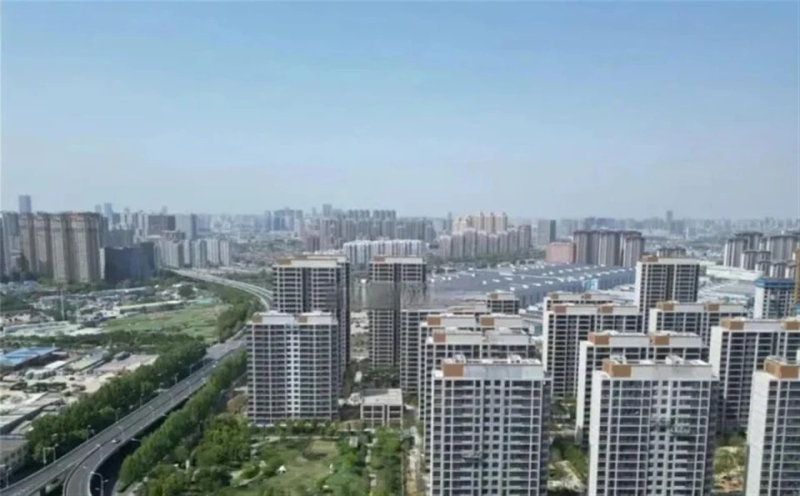
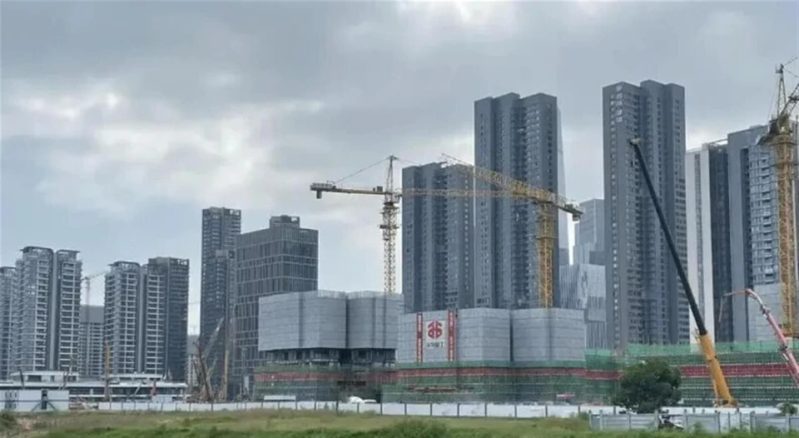
A number of sub-districts have committed themselves at the time of sale and remain on the plans for several years. These basic amenities, such as supermarkets, hospitals and schools, are far away, require 20 minutes to drive a car every day to buy food and one hour for children to go to school. The biggest problem with this type of ex-urban “painters” is inadequate population imports, with a light rate of less than 30 per cent at night, which directly results in the non-viability of commercial packages. The so-called subway planning house, bought by friends, had not been seen in the construction block for five years, commuting three hours a day, and happiness had been consumed by commuting hours。
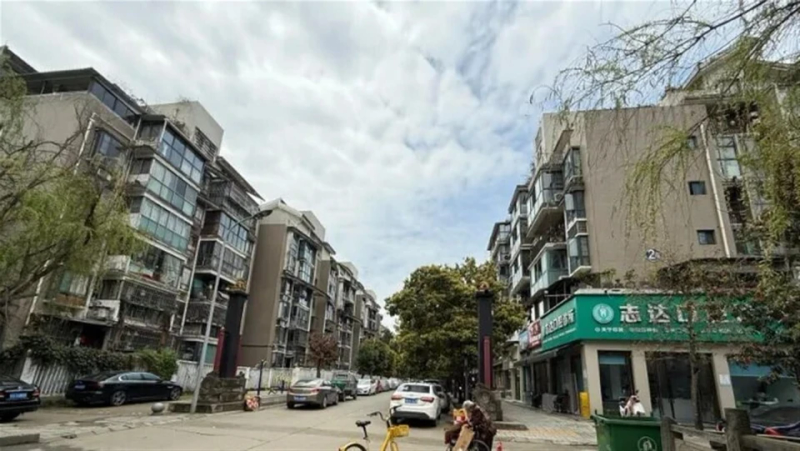
Noise problems and fragmentation often occur simultaneously. During the day, the sound of electric drills, the sound of square dances at night, and the source of the house on the street, the background sound of the traffic. This is compounded by the addition of a sunhouse to the top floor and the use of the first floor to occupy the public greens, which are often not effectively curbed by the property industry. In a small part of winzhou, the problem of parking fees was exacerbated by the fact that property would enter the garage and be bound by the payment of property fees, preventing owners ' vehicles from returning to the spaces they had purchased and eventually requiring police intervention and coordination. The quality of living in such neighbourhoods is unknown。
Old neighbourhoods without elevators are a huge obstacle to life for families with older persons and children. Every time a heavy load was moved, and a baby car came down, it was a physical challenge. However, the new policy of 2026 had brought about a change of pace, with the installation of elevators in the old subdistricts being included for the first time in the central fiscal subsidy, and an extra-long special government debt of $62. 5 billion had been disbursed. The addition threshold was also lowered from the “consensus of the whole” of the past to the vote of “two-thirds” of the owners. For example, an additional elevator can receive a government subsidy of up to $280,000. Cost-sharing is based on floor coefficients, with the proportion of households on the sixth floor likely to range from 25 to 30 per cent, and households on the first floor receiving not only cash compensation but also property fee relief。
The quality of property services directly determines whether the sub-regions appreciate or depreciate. In 2025, the number of property disputes increased by 35. 61 per cent over the previous year and became one of the fastest growing types of disputes. The lack of repair of elevators, the lack of clearing of garbage dumps and the lack of transparency in public revenues are details that daily consume the patience of owners. It is a matter of concern that in 2026, the ministry of housing and construction led the construction of a rigid regulatory system for “policy + regulations + local rules”, which explicitly requires public revenues in seven subsectors, such as elevator advertising, public parking, etc., to be owned by all owners, with a monthly disclosure of income and expenditure. The owner's rights channel has also become more accessible and can be reflected through the 12345 hotline and the housing department's oversight window。
When ai's smart doors are blocked, online repair becomes a frame, will the problems that have plagued our "soft environment" be solved by technological and institutional advances? Who is redefining the future "good neighborhood" standard