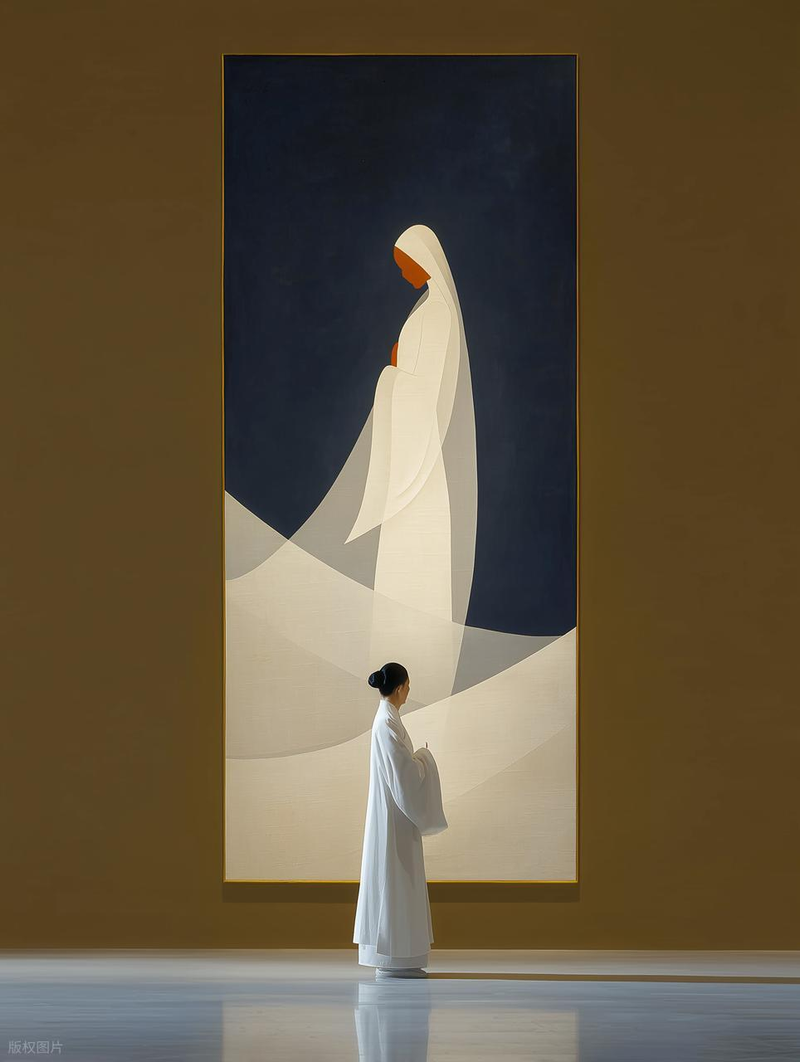
Many people thought that it would be natural for the aesthetics to go to art galleries, watch exhibitions and brush artistic accounts。
But that's not true。
We eat every day, but we don't know how to distinguish between food levels; we follow hundreds of american plays and we don't speak fluent english。
“looking much” is not the same as “reading”, much less “venom”。
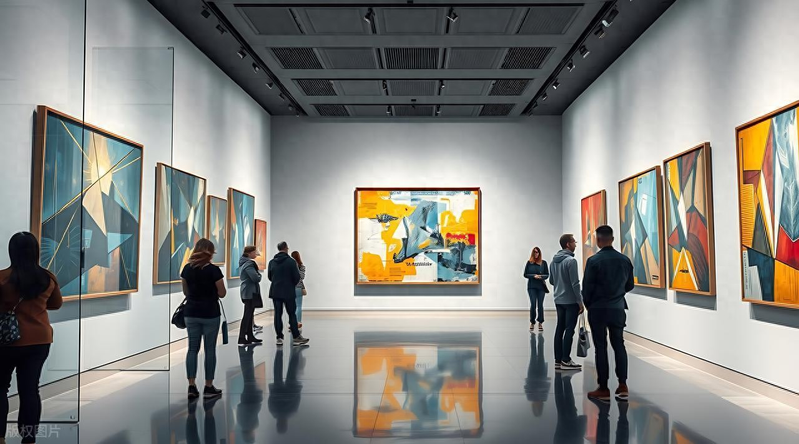
Real aesthetic power was never the result of passive absorption, but of active exercises。
If you want to start training deliberately, the sensitivity of looking at something is growing。
Here are four stages that i have summed up, from ambiguity to clarity, from imitation to creation, to help you build your own aesthetic system。
Training eyes: learning to “see” first
Many say that “the beauty is subjective”, but in fact, there are some general aesthetic patterns, such as scale, balance, comparison, rhythm, uniformity, retention — principles that almost determine whether a visual result is comfortable。
When we look at a product, a painting, or a set of outfits, we automatically operate these rules:
If you go too far, you'll feel something wrong -- it's an aesthetic instinct that reminds you. So, the first step of practice is not to imitate others, but to decompose “why it looks good”。
These are observations that you can train from lines, shapes, colours, qualitative senses of space and light。
You're one step closer to a true aesthetic when you can describe “why does it look good”, rather than just say “it's beautiful”。
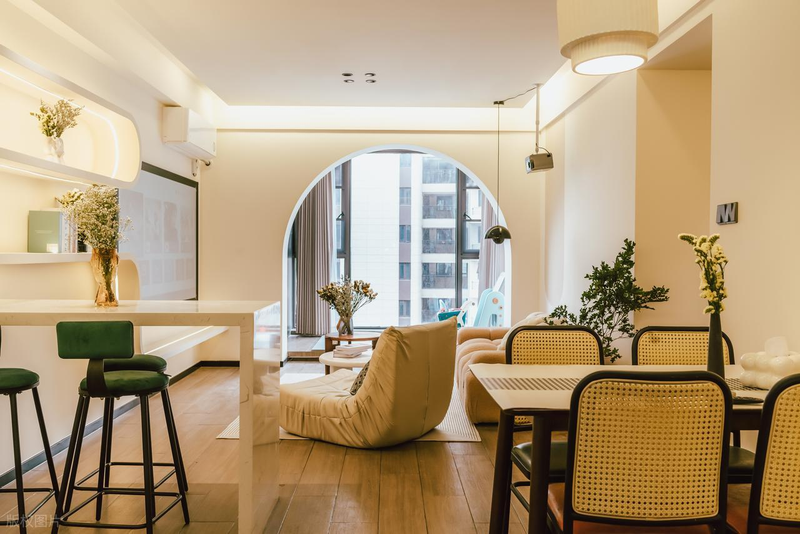
Establishing preferences: turning “like” into a track record
When you can begin to analyze the reasons for america, you can start building your own database of preferences. Take pictures, screenshots, save, sort -- keep things that move you。
Because our memory of beauty is very short, and many of the images that you see in front of you, if not recorded, will soon be flooded with information。
And for a long time, you'll see the pattern in these collections: you used to like low-saturated color, simple images, natural light。
This “preference consciousness” is the starting point for the formation of personal styles。
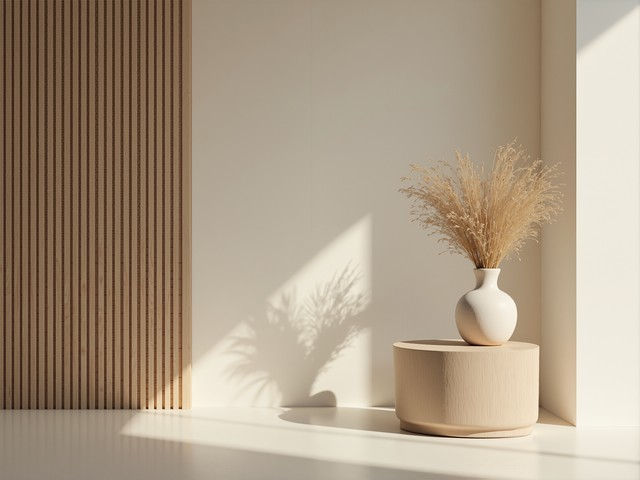
The conscious practice of bringing aesthetics into life
Aestheticism stays theoretically, and to make aesthetics part of life, it begins with “use”。
The selection of a daily item, a lamp and a dress can be practiced. And you're going to find that -- "the cups that used to be on this scale are more comfortable" and "the fabric looks taller but poorly dressed."。
Through continuous attempts, your eyes and hands will increasingly be the same, and this “aesthetic implementation” will be the real turning point。
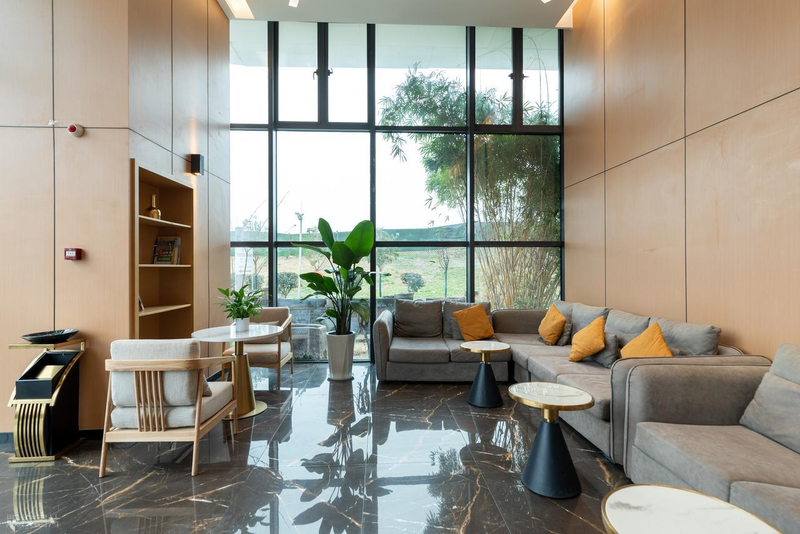
Development style: from imitation to creation
When you go through enough observations, collections and attempts, you slowly learn what's right for yourself and what's good for others. At this moment, the aesthetic moves from "impersonation" to "creation"。
You're starting to give up, you're not blind, you're starting to know what you want to be, and you can express it。
Designers do not make their decisions on the basis of “natural talent”, but on the accumulation of knowledge of aesthetic principles, material characteristics, emotional expressions。
Similarly, each of us can learn and practice to make our aesthetics more rational and deeper。
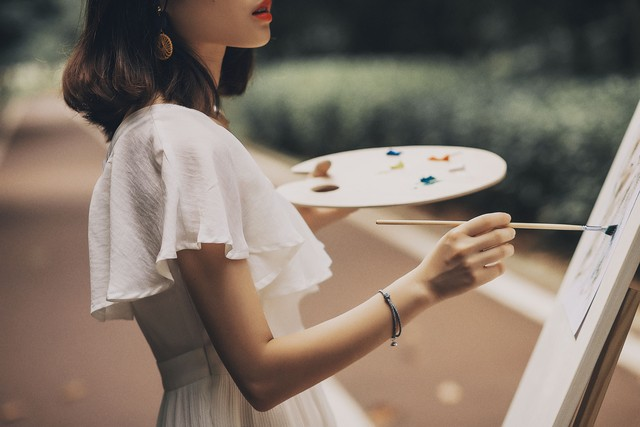
At the end
Aesthetic power, not the gift of a few, is like a muscle — as long as it continues to exercise, it is shaped more powerfully。
See, think, do, do, create, and let the beauty change from feeling to being a capacity。
When you can make decisions with your own eyes, all the choices in life will slowly get better。