Public security awareness-raising: emergency response test
Length of examination: 120 minutes full: 100 minutes
I. Single-choice topics (10 total, 2 points each, 20 points)
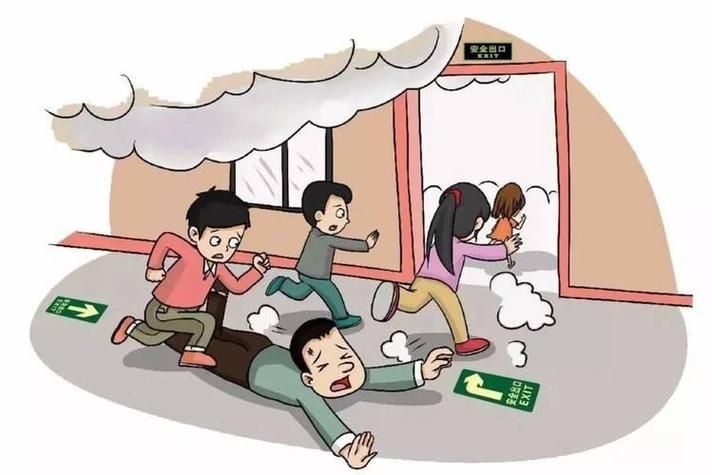
In the event of a fire in a public place, which of the following escape methods is wrong
A. Cover your mouth and nose with wet towels and move low
B. Escape along evacuation signs
C. Rapid evacuation by elevator
D. Waiting for help in the asylum complex
Reference answer: c
2. What kind of risk-averse posture should be given priority by insiders when earthquakes occur
A. Standing by the window for observation
B. Hiding under a solid table or bearing walls
C. Run like hell
D. Sitting on the couch waiting for the shock to stop
Reference answer: b
3. Which of the following measures are not part of the emergency response process following reports of outbreaks of infectious diseases in hospitals
A. Immediate closure of suspected cases
B. Forced isolation of all medical personnel
C. Commencement of contingency plans and redeployment of medical resources
D. Distinct rumours to the public to stabilize emotions
Reference answer: d
4. Should the first step of an emergency response in the event of a chemical release from an enterprise be
A. Immediate evacuation of all staff
B. Direct spill wash with fire water objects
C. Equipment for detection
Dissemination of incident details to the media
Reference answer: c
5. Which of the following acts are most likely to provoke each other when wildlife attacks occur in the wild
A. Stay still and slow back
B. Shouting and waving tools
C. Eyes contact each other but avoid looking directly
D. Observation in nearby bushes
Reference answer: b
6. What kind of emergency lighting is most reliable below when a major power outage is caused by a failure of the electrical system
A. Flashlight
B. Common household lamps
C. Emergency charge flashlights
D. Cell phones with their own light
Reference answer: c
When schools organize fire drills, which of the following is not the focus of the exercises
A. Proper use of fire extinguishers
B. Identification of evacuation routes
C. Student talent performances
D. Emergency assembly point settings
Reference answer: c
8. What are the first measures when food processing plants find the material contaminated
A. Immediate apology to consumers
B. Suspension of production and storage of contaminated raw materials
C. Decreasing product promotion
D. Assignment of staff to continue production
Reference answer: b
9. Which of the following methods of self-help are most effective when there is a trampling accident in a public place
A. Crowding to crowd centres
B. Grab the railings or columns for fixed positions
C. Call for help to attract attention
D. Escape in reverse direction
Reference answer: b
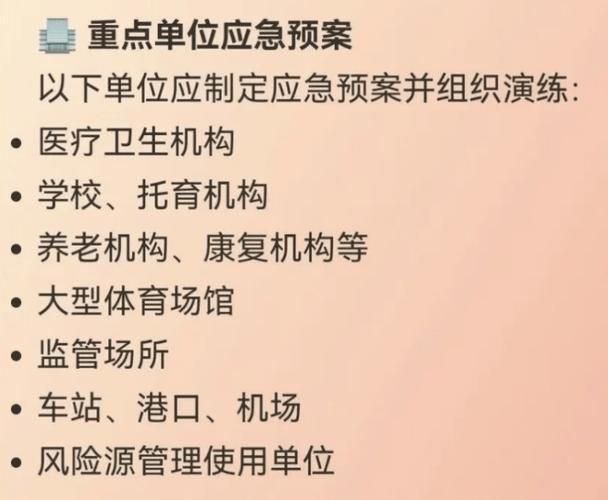
10. Which of the following elements must be made clear when enterprises develop contingency plans
A. Staff birthday arrangements
B. Emergency storage sites
C. Staff lunch menu
D. Emergency exercise costume style
Reference answer: b
Ii. Multiple choice topics (10 total, 2 points each, 20 points)
1. Which of the following sites are suitable as temporary safe havens in case of flooding
A. Basement
B. Top of the upper building
C. Empty square
D. Near the river dyke
References: c, d
2. What are the following measures in hospital infection control that effectively prevent cross-infection
A. Hand disinfection of medical personnel
B. Periodic ventilation in wards
C. Patients wearing n95 masks
D. Use of disposable medical devices
References: a, b, d
3. Which of the following acts were correct when responding to an emergency on-site traffic accident
A. Immediate evacuation to safety
B. Installation of warning signs on site
C. Sensitization
D. Counterfeiting the scene to avoid responsibility
References: a, b, c
4. What are the following measures necessary for schools to respond to violence in schools
A. Enhanced patrolling by security personnel
Establishing psychological intervention mechanisms for students
C. Public punishment of perpetrators
D. Strengthening teacher-student communication channels
References: a, b, d
5. Which of the following equipment may need priority repairs in the electrical failure response
A. Hospital backup power system
Water supply equipment for water plants
C. Commercial advertising lights
D. Subway ventilation system
References: a, b, d
6. What are the following behaviours that increase risk in the event of thunderstorm weather during field activities
Into the trees to avoid the rain
B. Metallic raincoats
C. Avoiding rain in lowlands
D. Use of plastic umbrellas
References: a, b, d
What are the following measures effective when enterprises respond to cybersecurity attacks
Installation of firewalls
B. Regular updating of system patches
C. Staff password complexity requirements
D. Prohibition of diskettes
References: a, b, c
8. Which of the following acts may endanger their safety in the event of a terrorist attack in a public place
A. Escape in reverse direction
B. Hiding in closed cabinets
C. Call the alarm
D. Swinging flags to attract attention
References: a, d
9. Which of the following sites require priority sterilization in the prevention and control of outbreaks of infectious diseases
A. School classrooms
B. Public transport
C. Market areas
D. Office tea room
References: a, b, c, d
10. Which of the following indicators needs to be focused in the assessment of the emergency exercise
A. Speed of staff response
B. Efficiency in resource allocation
C. Rationality of the exercise programme
D. Media outreach effectiveness
References: a, b, c
Iii. Judicial questions (10 total, 2 points each, 20 points)
1. It is safer to hide in closets than under tables when an earthquake occurs. (x)
When the fire escapes, the air above the smoke is relatively fresh and should be evacuated at a high altitude. (x)
3. When a chemical is leaked, it does not cause secondary contamination by wiping it with a common rag. (x)
In the event of a snake bite in the field, the mouth shall immediately be used for drug use. (x)
5. Enterprise contingency plans must be rehearsed at least once a year. (grunts)
6. In accidents on foot in public places, reverse direction is usually safer than succession. (x)
7. Immediately after food poisoning, vomiting accelerates the release of the poison. (x)
8. In the event of electrical failure, mobile phone-charged beams can be used to provide electricity for emergency lighting. (grunts)
9. Violence in schools should be immediately followed by school-wide criticism of the perpetrators. (x)
10. In the prevention and control of outbreaks of infectious diseases, the stronger the mask, the better the protective effect. (x)
Iv. Brief answers (out of a total of 4 questions, 5 minutes each, 20 minutes)
A brief description of the “downside, cover, hold” hazard avoidance requirements at the time of the earthquake。
Points of answer:
- get down: take your weight down quickly and prevent a fall
- covering: hiding under a solid table or heavy wall corner to protect the head
-stand down: stay in position, wait for the shock to stop and avoid secondary damage。
2. What measures should be taken to isolate hospitals from outbreaks of infectious diseases
Points of answer:
- single isolation of suspected cases
- the wearing of protective equipment by medical personnel
- regular disinfection of air and surface
- severe restrictions on patient activity。
3. What categories should be included in an enterprise emergency reserve
Points of answer:
- medical first aid (first aid kits, disinfection kits)
- protection equipment (face masks, gloves)
- communications equipment (talkies, recharging)
- subsistence security (drinking water, food)。
4. How can fire extinguishers be used correctly in public places
Points of answer:
- remove the insurance premium
- aim at the root of the flame
- maintaining a safe distance
- continuous observation after fire suppression。
V. Topics addressed (2 total, 11 points each, 22 points)
1. What are the key factors to be taken into account in developing an enterprise contingency plan, taking into account actual cases
Points of answer:
- risk assessment: analysis of the type and probability of potential contingencies
- resource matching: ensuring adequate emergency supplies, personnel and equipment
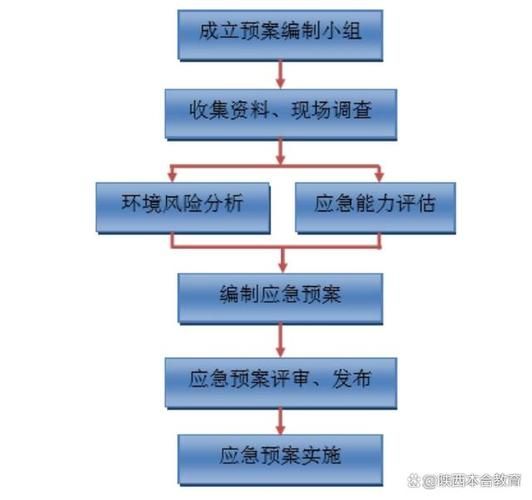
- process science: clear response, disposal, recovery steps
- exercise evaluation: periodic testing of the effectiveness of the pre-project and continuous improvement。
( rating criteria: 3 for risk analysis, 3 for resource planning, 3 for process design and 2 for case combination)
2. How can individuals improve their emergency response capacity in public places
Points of answer:
- learning about emergency response: self-help skills such as fire and earthquake
- attention to early warning information: access to risk alerts through official channels
- emergency kits: medicines, hand-guns, first aid supplies
- participation in exercises: familiarization with evacuation routes and risk avoidance methods。
(specific criteria: 3 for knowledge reserves, 3 for material preparation, 3 for practical capacity and 2 for summary upgrade)
[standard answer and resolution]
I. Single topics
1. C (elevator may lose power or become a chimney channel)
2. B (heavy wall angles to disperse impact)
3. B (segregation measures based on professional assessment)
4. C (test to confirm no explosive risk)
5. B
6. C (more persistent and reusable chargeable)
7. C
8. B (closure is the first step in controlling pollution)
9. B (fixed position avoids being pushed down)
10. B (material storage is the core element)
Ii. Multiple options
1. C, d (watery basements, high-level penthouse subject)
2. A, b, d (hand disinfection, ventilation, disposable devices most critical)
3. A, b, c (evacuation, alert, guidance as a priority)
4. A, b, d (security, psychological intervention, communication as fundamental measures)
5. A, b, d (priority for safeguarding lifeline facilities)
6. A, b, d (metals, plastics, large trees are easy to conduct)
7. A, b, c (technology protection most effective)
8. A, d (reversible crowds, flag swings exposed)
9. A, b, c, d (for disinfection of all hf exposure sites)
10. A, b, c (indicators should focus on practical effectiveness)
Iii. Questions of judgement
1. X (table provides better protection)
2. X (shall be evacuated below or far from source of fire)
3. X (possible to trigger chemical reactions)
4. X (should be extracted using professional tools)
5. (statutory requirements)
6. X (improved availability of safe exits)
7. X (possibly aggravated by vomiting)
8. √ (calculated for emergency electricity)
9. X (to be investigated in private)
10. X (select suitable masks according to virus type)
Iv. Brief answers
1. Point of answer: seismic avoidance requires a rapid reduction in the focus on protection of the head and the use of solid objects to spread the impact and avoid moving away from falling objects。
2. Answer points: segregation measures include physical isolation (single rooms), protective isolation (n95, goggles), environmental isolation (regular ventilation), exposure isolation (avoiding crosses)。
3. Answer points: reserves should be managed by classification, updated on a regular basis to ensure sufficient quantity and accessibility and to indicate their validity。
Answer points: the use of fire extinguishers requires first identification of the source type (e. G., type a solid fire) and then operation in the order of “up, up, hold, hold” to prevent recurrence after the fire has been extinguished。
V. Concluding issues
1. Answer points: business plans need to take into account industry characteristics (e. G., chemical plant focus on blasts), lessons learned from historical accidents (references to industry cases), regulatory requirements (e. G., safe production laws) and ensure full participation in their development to enhance feasibility。
2. Answer points: individual promotion needs to be based on awareness, knowledge, skills and materials of four dimensions, such as regular learning of the red cross first aid course, preparation of family emergency kits, participation in community exercises and development of capacity for calm judgement。