Public safety literacy: tests and answers to emergencies
Length of examination: 120 minutes full: 100 minutes
I. Single-choice topics (10 total, 2 points each, 20 points)
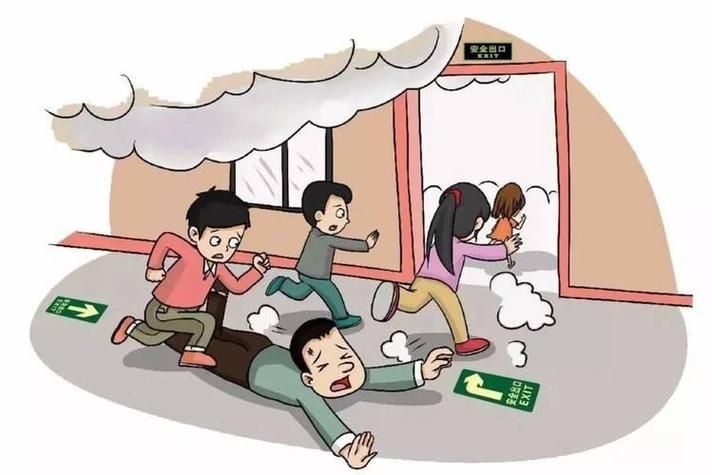
In case of fire, which of the following methods of escape is wrong
A. Cover your mouth and nose with wet towels and move low
B. Evacuate down the evacuation stairs without elevators
C. Rapid escape by elevator
If unable to escape, return to the room and close doors and windows and dial fire alarms
2. What kind of risk-averse position should be given priority when an earthquake occurs if it is indoor
A. Stand by the window to observe the external situation
B. Sitting on the couch waiting for rescue
C. Hiding under a solid table or bearing walls
D. Outdoors to open areas
3. Which of the following protective measures is ineffective in the event of a chemical leak
A. Cover your nose and mouth with wet cloths
B. Routine clothing awaiting rescue
C. Cleaning of skin contact areas with soap water
D. Moving upwards and away from leakage sources
4. Which of the following acts is most likely to provoke each other when wildlife attacks occur in the wild
A. Stay still and slow back
B. Shouting and waving tools
C. Visual contact and calmness
D. Hide or flee quickly
5. Which of the following methods is not applicable when saving lives on water to rescue people without water
A. Throwing life-saving rings or floating things
B. Direct jump into water for rescue
C. Using lifelines to fix each other
D. Commanding each other to grab the shipboard
6. Which of the following places is relatively safe in the rain
A. Top of the upper building
B. Indoor sites for reinforced concrete structures
C. Open parking
D. Independent metal sheds
In medical first aid, what is the pressure frequency of cpr per minute
A. 60 times
B. 100 times
C. 120 times
D. 150 times
8. Which of the following acts is most detrimental to their own security in the event of a terrorist attack
A. Hiding away in the shadows
B. Orderd withdrawal as directed
C. Photography recording of live evidence
D. Stay low and avoid exposure
9. In high-temperature weather, which of the following are not included in the early symptoms of the heat
A. Dizziness, nausea
B. Moisture and body temperature
C. Continuing coughing and breathing difficulties
D. Muscle spasms, weakness
When the fire escapes, if the doorknob is burned, which route should be preferred
A. Jumping from a window
B. Push another door in
C. Blocking doors with wet cloths
Looking for other exits along the wall
Ii. Multiple choice topics (10 total, 2 points each, 20 points)
1. What are the following elements of safety avoidance in the event of an earthquake
A. Hold your head tight and protect your neck
B. Avoidance of elevators
C. Hiding in small spaces like closets
Waiting for evacuation after the shock
2. What are the correct ways to rescue a drowning person
A. Reach out and pull
B. Dropping life-saving tools
C. Let the drowning catch the floaters
Stay down and lower your focus
3. Which of the following articles may be used in the handling of chemical leaks
A. Food soda
B. General laundry powder
C. Specialized neutralizers
D. Alcohol
4. What are the following behaviours that contribute to the chances of rescue in the event of a wild encounter
Setting up distress signals in visible locations
B. Move along rivers
C. Staying in place and waiting for relief
D. Building shelters
5. Which of the following is the focus of hazard screening in fire safety inspections
A. Access to evacuation routes
B. Fire protection equipment intact
C. Ageing of electrical circuits
D. Flammables away from sources of fire
What are the following steps in the cpr operation
A. The lower half of the chest by pressure
B. At least 5 cm pressure depth
C. Equal pressure and relaxation time
The pressure frequency is 100 times per minute
7. Which of the following acts may trigger retaliation in the response to a terrorist attack
A. Stay calm and don't provoke each other
B. Photographic recording of each other's characteristics
C. Pretending to comply with inspection
D. Call for help to attract attention
8. What are the following measures necessary for high temperature operational protection
A. Supplementary moisture to avoid dehydration
B. Clothes of light colours
C. Time rest to reduce body temperature
D. Avoiding violent movements
9. Which of the following items may cause secondary harm during the escape from the fire
A. Smoke
B. High temperature gases
C. Broken glass
Electrical sparks
10. Which of the following foods may cause poisoning in wild life
A. Mushrooms
B. Uncooked river fish
C. The nuts of wild fruit
D. Bee
Iii. Judicial questions (10 total, 2 points each, 20 points)
1. At the time of the earthquake, lifts were the best way to escape quickly. (x)
2. When life is saved by water, it shall dive directly into the water and rescue the undetected. (x)
3. When chemicals leak, the fragrance of perfume helps to evacuate the population. (x)
4. It is safer to hide in metal cars than inside them in thunderstorm weather. (x)
5. In a cpr operation, the frequency of the blowing shall be consistent with the pressure frequency. (x)
6. In the event of a terrorist attack, the cry for help helped to draw the attention of relief workers. (x)
7. In high-temperature weather, the use of ice water can rapidly mitigate the symptoms of heat. (x)
8. When the fire escapes, if the doorknob is not burned, it means that it is safe outside. (x)
9. All plants are edible when they survive in the wild. (x)
10. In case of wildlife, remain static and effectively avoid attack. (grunts)
Iv. Brief answers (out of a total of 4 questions, 5 minutes each, 20 minutes)
A brief description of the “downside, cover, hold” hazard avoidance requirements at the time of the earthquake。
Response: at the time of the earthquake, the centre of gravity should be lowered quickly, the head protected with a school bag or hands, and the body should be stabilized by holding on to a solid object to avoid falling or being hit by shaking。
2. What protection measures should be taken in case of a chemical leak
A: cover your mouth and nose with protective masks or wet cloths, rubber gloves or fabric wrap your hand, wash your area with soap water, move away from the source and towards the upper wind。
3. Brief description of the operational process elements for cpr。
Response: the patient's consciousness is examined first, the call is called softly and the breathing is checked, the lower part of the chest is pressed 100-120 times/minute, the depth is 5-6 cm, and the pressure is applied twice every 30 times。
4. How can the heat be prevented in high temperatures
Response: avoid high-temperature periods of outdoor activity, supplement water to prevent dehydration, lower body temperature by wearing air-traffic clothing, regular rest and maintain cool ventilation。
V. Topics for discussion (total, 4 issues, 5 points each, 20 points)
1. Address the key concerns of fire escape in the context of actual cases。
Response: the fire escape should be calm, low-seasoned to avoid inhaling smoke, opt for evacuation stairs rather than elevators, and if you cannot escape, close doors and windows and dial fire alarms. Case: in the london apartment fire of 2017, most of the victims were tragic as a result of an elevator or a blind jump。
2. Analysis of methods and principles for the setting of distress signals in the event of a field emergency。
Response: a distress signal should be selected for visible position, such as three stacks of rocks, stake marks, or tools such as mirrors, whistles, etc. Rationale: use of natural or man-made materials to attract the attention of relief workers and to maintain regularity for increased visibility。
3. To address the coping strategies of ordinary people when terrorist attacks occur。
Priority is given to ensuring their own safety, hiding from hidden corners or underground, avoiding direct confrontation with the attackers, documenting each other's identity and alerting the police. Case in point: during the terrorist attacks in paris, part of the population sought help in the security room at the subway station。
4. Analysis of the approach to and care for heat emergencies in the context of medical knowledge。
Response: summer first aid should be moved immediately to the shade to replenish the moisture and physical cooling, and medical attention should be provided for serious cases. Caution: avoid severe motor complications and excessive drinking water leading to electrolytic disorders。
[standard answer and resolution]
I. Single topics
1. C elevators may lose power in fire or become chimney channels
2. C under the table or corner provides structural support to protect the head
3. B ordinary clothing cannot prevent chemical infiltration
4. B crying may provoke wildlife
5. B direct dive may cause drowning on both sides
6. B steel and concrete structures to shield lightning
7. C early summers are characterized by elevated body temperature rather than respiratory problems
8. C photography could trigger retaliation for disclosure
9. C continued coughing is a symptom of respiratory problems
10. C wet cloth closed doors to observe fire
Ii. Multiple options
1. Abd small spaces, such as closets during earthquakes, may be destroyed
2. It's safer for bcd to throw tools or hold floating things
3. Acd small soda, mesophthalmic agent, alcohol mercuric acid
4. Abd signaling, riverine movement, sheltering
5. Abcd evacuees, fire-fighting equipment, electrical circuits, flammable materials
6. Abd by pressure, depth, frequency is standard step
7. B. D. Photos and calls for help can provoke each other
Abcd replenishment of moisture, light-coloured clothing, regular rest, avoidance of intense motion
9. Abc smoke, high-temperature gases, glass fragments are highly hazardous
10. Abd new mushrooms, raw river fish, possible poisoning of fruit cores
Iii. Questions of judgement
1. X elevators may lose power or become chimneys
2. X life-saving tools should be dropped instead of direct application help
3. X perfume cannot mask the chemical scent
4. X metal vehicle may conduct electricity
5. X blow frequency 2 times pressure per 30
6. X call for help at risk of exposure
7. X excessive drinking water can lead to convulsions
8. X door handle burner indicates high temperature outside the door
9. X partial plant toxicity
10. Silence avoids miscalculation by animals
Iv. Brief answers
1. Lowering the centre of gravity to protect the head, under the cover of a school bag or hands, and holding on to the body to avoid falling or being hit。
2. Cover their mouths and noses with protective masks or wet cloths, rubber gloves, soap water to wash their exposure, and move away from the source and towards the upper wind。
3. Check for conscious breathing, press the lower half of the rib with a frequency of 100-120 times/minute and depth of 5-6 cm, with two artificial breathings per 30 pressure。
4. Avoid high-temperature periods of outdoor activity, recharge the moisture to prevent dehydration, wear air-traffic clothing, and keep the temperature cool and ventilation at regular breaks。
V. Concluding issues
1. The fire shall remain calm, recoil in order to avoid smoke, choose the evacuation stairs rather than elevators, return to the room and close the doors and windows and call the fire alarm if it is not possible to escape. Case: in the london apartment fire of 2017, most of the victims were tragic as a result of an elevator or a blind jump。
2. A distress signal shall be selected for a visible position, such as three stacks of rocks, stake marks or instruments such as mirrors, whistles, etc. Rationale: use of natural or man-made materials to attract the attention of relief workers and to maintain regularity for increased visibility。
Priority is given to ensuring their own safety, avoiding covert corners or underground, avoiding direct confrontation with the attackers, recording each other's characteristics and alerting the police. Case in point: during the terrorist attacks in paris, part of the population sought help in the security room at the subway station。
4. Summer first aid should be moved immediately to the shade to replenish the moisture and physical cooling, and medical attention should be provided for serious cases. Caution: avoid severe motor complications and excessive drinking water leading to electrolytic disorders。