We'll be using steamed rice, steamed buns thousands of years ago. Why was the steam engine finally invented by foreigners? Netizens leapt out of their inherent consciousness and analyzed the underlying causes from multiple angles。
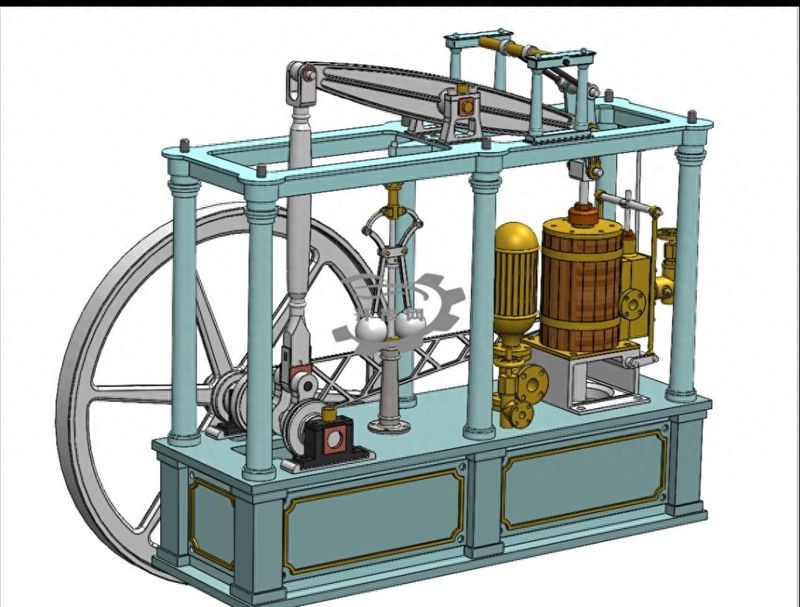
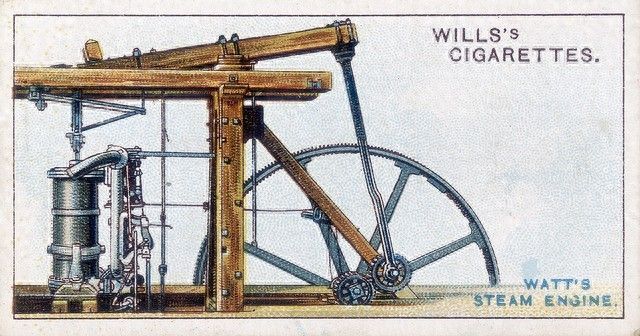
There is a netizen, and earlier, turkish-made improvised steam units were used to rotate barbecues, but they did not develop into industrial machinery. The central contribution of the popularly known watts is the improvement of the steam engine and the installation of centrifuges to make the equipment more stable, which also lays down its position in the industrial sphere。
In the discussion, a lot of people were wrong about their thinking, and the concepts of “ramack and laplas” were proposed. Many simply believe that the emergence of an industrial revolution is the natural advantage of certain categories of people, and that we are simply “going the wrong way” and are accustomed to retrogressing recent development gaps, even denying traditional cultures, into unwarranted internal consumption。
The so-called lamarque view is that there is only one path to social development that can be repeated by subjective imitation, while the la plasian view feels that history exists as an absolute cause and consequence, and that the results are all the result of past choices. After a combination of these two concepts, many interpret the industrial revolution in a one-sided manner, ignoring objective factors such as geography, resources and opportunities of the times。
In fact, steam foods and steam engines are completely different. The use of steam by ancients is only a daily application and does not explore fundamental physical principles such as pressure, vacuum, etc. Steam engines are the product of multi-generational research and development of relays by scientists and craftsmen, which are based on systems theory, precision manufacturing processes and market demand。
Historical developments are both accidental and complex, not simply “who is right and who is wrong”. It makes no sense to dwell on the past, to worship blindly or to deny themselves. It is the most rational attitude to face history that confronts technological differences, jumps out of rigidity and builds on real development。