Many friends who want to enter electricians on a zero basis feel that electricians are complicated and have high thresholds. In fact, if you look in the right order, you get to the core, you can get in there quickly. Today, the teacher has made it clear that he can read and learn from scratch and build the electrician base easily。

I. The basic concept must be understood in the introduction of electricians
1. 1 three core basic parameters of electricity
The first step is to understand the three basic concepts of voltage, current and resistance, which is the foundation of all electrical knowledge。
Electricity is the “powered water pressure” in the circuit, and the municipal electricity is 220 v; the current is the current that flows in the pipe, located in amber a; the resistance is the resistance in the current, hindering the flow of electricity。
And remember om's law as the all-power foundation: current = voltage defibration, which makes most of the basic circuits work。

1. 2 fireline, zero line, ground line distinction
The newer's most confusing three-line knowledge, one-off:
- fireline (l): bring the wire, touch it, never touch it. Pong
- zero line (n): backway route, normal power
- groundlines (pe): life-safe lines, direct discharge of electrical currents in case of failure of equipment, and prevention of electrocution
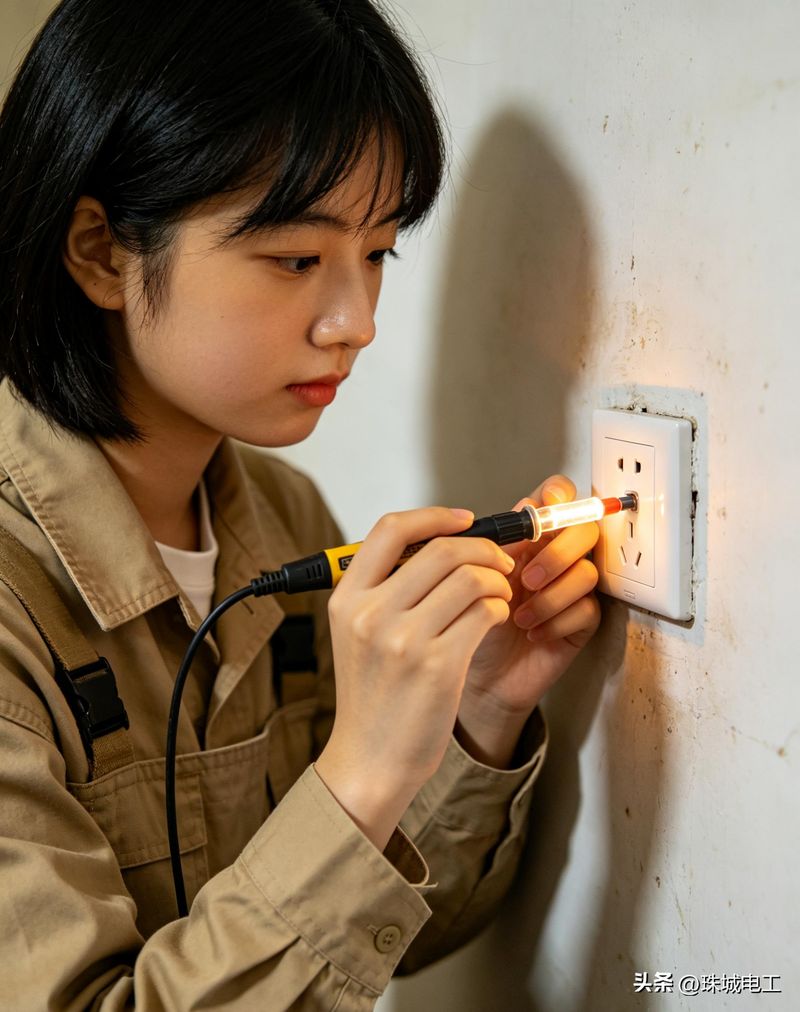
Day-to-day testing: light on the wire, light on or off the zero line, never light on the ground, and new hands must be familiar。
1. 3 distinction between communication and direct current electricity
Home-based outlets and sub-district power supply are communication acs, with cyclical directional changes; batteries, vials and electronic panels are direct-flow dcs with fixed direction. The main source of electricity for domestic utility workers is to exchange electrical access, while industrial electricians need to know about direct current electricity。
Ii. Common electrician tools and norms for their correct use
2. 1 list of essential basic tools for entry
Starting with zero basics, without a single purchase of a bunch of specialized equipment, the basic requirements are ready: electric pens, digital holograms, wiring clamps, electric tape, screwdrivers, sharp-mouth clamps。

One of these is the eye of an electrician, who can measure voltage, break-out, zero-wire lines and screen for most simple failures。
2. 2 primary use of table base
A master's chart of all kinds, with three usual slots:
1. Communication voltage slots: measuring the availability and normality of household electricity at 220 v
2. Breaking bells: circuit break-ups, power lines, breakpoint check
3. Electrical resistance: good insulation and breakdown of household electrical components
Bearing in mind that when measuring electricity, the slots must be correctly selected, and current slots are strictly prohibited from directly measuring the voltage and are easily burned directly。
2. 3 tools use secure red lines
Any electrical check-up, wiring operation is given priority, electricity is taken out of service; it is not certain that the charge is carried, and the wet hands must never touch any electrical tools and switches, creating a habit of safe operation。
Iii. Basic circuit recognition and wiring logic
3. 1 household base circuit division

Common household circuits are basically divided into lighting circuits, general interpolation circuits, stand-alone water heaters with high power air conditioners, and special kitchen circuits。
Large power appliances, which are separate lines and open on their own, are the basic guidelines for the safety of household installed electricity, avoiding the failure of the entire house and the loss of electricity, which also reduces the chance of jumping。
3. 2 switches, plugs, standard connections
Single-control switches: the control line is broken, the switch must be connected to the fire line and must never be connected to the zero line, or the lamps remain electrical after the lights are turned off and there is a significant electrical exposure。
The five-hole standard: right-hand fire, right-hand fire, right-hand fire, and remember this norm, the connection never goes wrong。
3. 3 wiring feeder control table
Now, don't guess what you're talking about

- 1. 5 square copper line: special lighting circuit
- 2. 5-square copper lines: ordinary outlets, daily household electricity
- 4 square copper lines: air conditioners, water heaters, kitchen power lines
Linear loads, overloading with heat and ageing, are the most easy pits for beginners。
Iv. Protection of switch perception and failure base judgement
4. 1 distinction between openness and leakage
Many newcomers can't distinguish between two switches:

- air switch (empty): main overload, short-circuit, line overload, short-circuit jump
- leak protection (failure): specially protected against human incapacitation, equipment outage, life-saving
The regular distribution box, which is always open + split open + in-house leakage, is a standard combination of safety and security。
4. 2 quick mapping of underlying malfunctions
Zero base starters are experiencing circuit failure, remembering the steps of the teacher, mr. Faou almighty:
1. First, whether it's a main jump or a single breaker. Jump
2. Distinction of type of jump: overload, short-circuit jump, blackout jump
3. Class-by-class break-up circuits, segment check, precise lock failure points
4. A slow closing test after failure has been eliminated
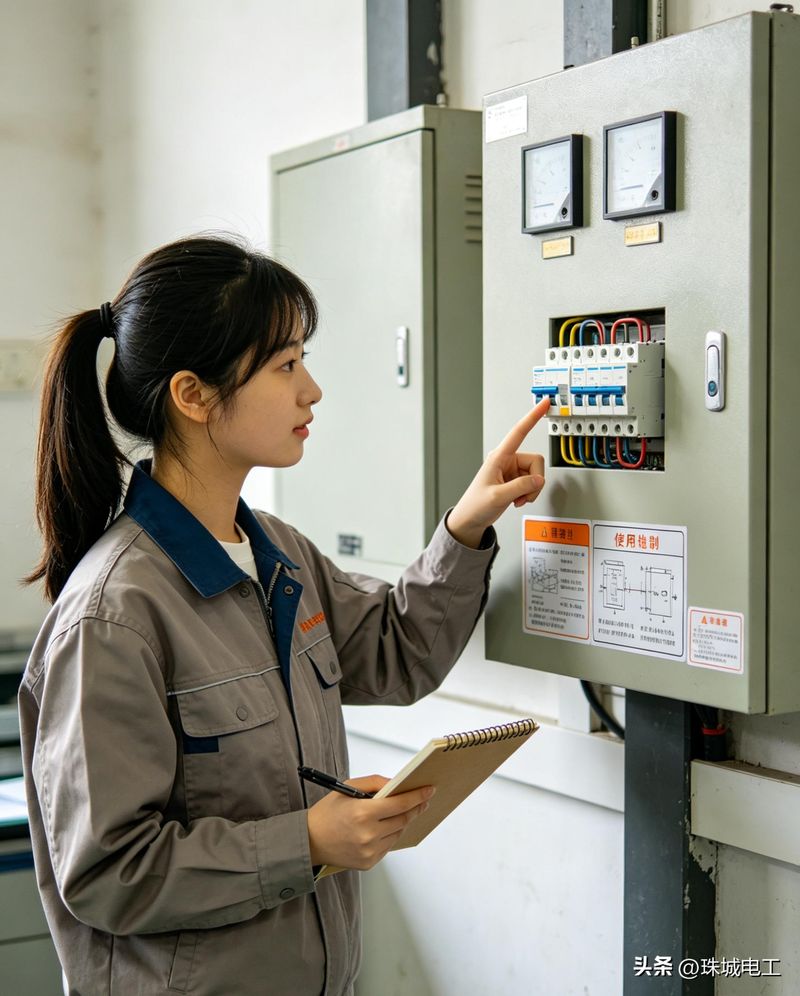
4. 3 introduction to safety orders
In the electric industry, technology always comes after safety. The untouched parts, the undefined lines, the old and broken lines will not be available, and the protective devices will never be removed from them。
V. Zero-basic and efficient learning upgrading routes
5. 1 recipe correct learning order
At the beginning of the day, you'll chew on the complex electrical, plc, etc., in the right order:
The basic conceptual tool uses home-based connection failure mapping power circuits to advance industrial knowledge in a gradual manner so that learning does not become more disruptive。
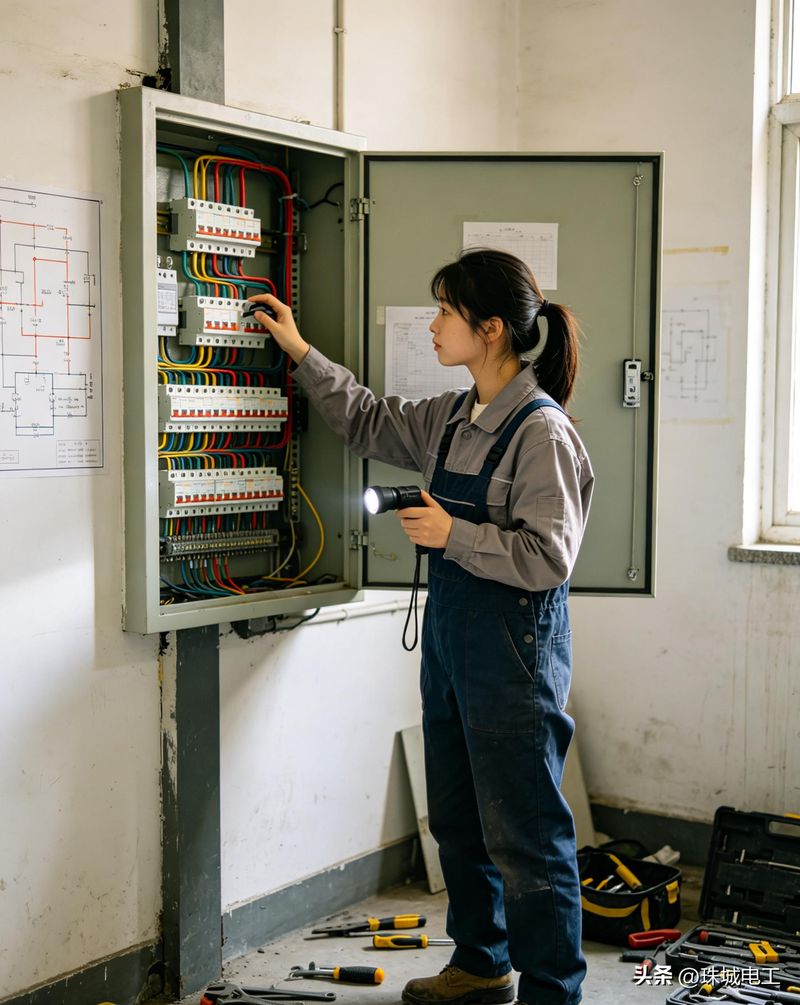
5. 2 recommendations for new hands to avoid pits
More formal hands-on teaching, more hands-on exercises in power outage simulation environments, less field road irregularities; first skilled home-based civil base, then slowly industrial maintenance, steady and steady beatings, and the fastest technological upgrading。
The electrician was never a natural technology, and all the teachers grew from zero to zero. The most difficult way to enter is never to be a complex doctrine, but to establish the right knowledge framework, normative operating practices and a strict sense of security from the outset。
Today, the whole package of entry-level, zero-step-starters is being used to decipher the core and most practical entry points, without the inexplicable terminology that ordinary people can read and learn。

As long as you're ready to write down, practice hard, and slowly build up your hands-on experience, you'll soon be able to move from a zero-basic to a qualified electrician capable of independently handling daily circuit problems. It also reminds all newcomers that the path of the electrician, slow is fast, safe always first, steady and steady to go longer。
# maintenance electrician # household electrician # electrician # electrician community # electrician business # electrician knowledge #