1. The essential components of the circuits include power, conductor, switch and load。
2. The unit of current is amber (a), which represents the direct movement of the charge。
The unit of volts (v) is the source of the current。
4. The unit of electrical resistance is om(th) to measure the conductor's resistance to currents。
5. Om law: i = u / r, where i is current, u is voltage, r is resistance。
Electropower is in watts (w) and the formula is p = u x i。
The units of electrical energy are j (j) or kwh。
8. In a chain of circuits, the currents are equal, total resistance is equal to the sum of the resistance and total voltage is equal to the sum of the parts。
9. Also in connected circuits, the total current is equal to the sum of the currents of the secondary circuits, and the penultimate of the total resistance is equal to the sum of the bottom of the electrical resistance of the secondary circuits, with equal voltage of the secondary circuits。
10. A conductor is an object that can easily conduct electricity, such as metal. Insulation is an object that is not easily electrical, such as rubber and plastics。
11. Semiconductors have conductive properties between conductors and insulations。
12. The unit of electricity is farah (f) and is used to store the charge。
13. The unit of electrons is henry (h) for storage of magnetic field energy。
14. In communication circuits, the size and direction of currents and voltage changes over time cycles。
The frequency is hz (hz) and represents the number of cycles per second of the communication power。
16. The three-phase exchange power is available in two ways: asteroid and triangle。
17. The transformer can change the size of the communication voltage。
18. Electrical motivation is a device for converting electrical energy into mechanical energy。
19. Generators are devices for converting mechanical energy into electricity。
20. Common electrical tools include electric pens, screwdrivers, pliers, wrench, etc。
21. Safety voltage is generally 36v and below。
22. The types of electrocution are single-stage, two-stage and cross-step voltage。
23. The protection site is the grounding of the metal casings of electrical equipment, and the protection of https://www. Dgdqw. Com is the zeroing of the metal casings。
24. The leak shield is capable of cutting circuits quickly in case of failure。
Short circuits in circuits refer to direct unloaded connections at both ends of the power supply。
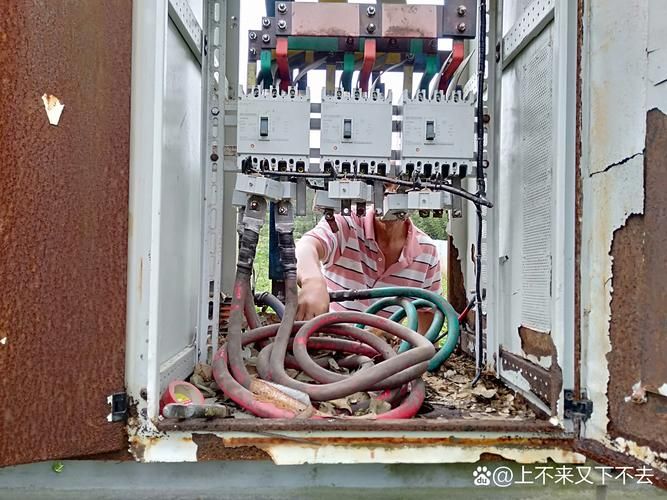
Overloading means the passing of electrical currents on circuits that exceed the rated current of the conduit or equipment。
27. The circuit chart is a map with a symbol indicating the circuit connection。
28. Interruptive cascade pressure and constriction。
29. Capacitation has communicational, direct flow-repeated properties in communication circuits。
30. Electric senses are fluent and communication-obstructed in communication circuits。
31. The units of magnetic flux are webb。
32. Substantiation laws are used to determine the direction of the induction of currents。
33. The electromagnetic sensitization law of farah describes the size of the induction electric motion。
34. The structure of the direct-flow motor consists of beams, rotors, electric brushes and converters。
35. Communication motors are divided into differentiating motors and synchronized motors。
36. The speed of movement of the different electric motors is slightly lower than that of the synchronized rate。
The rated values for electrical equipment include rated voltage, rated current, rated power, etc。
Crackers act as short-circuit protection in circuits。
39. Thermal relays perform overload protection in circuits。
The process switches are used to control the movement of the parts。
41. The proximity switch is a non-contact location detection device。
42. Contacts are used for frequent connections and the disconnection of large current circuits。
Relays are used to control and protect circuits。
44. The button is a manual control appliance。
The indicator light is used to indicate the working state of the circuit。
46. The specifications of the wires are usually expressed in amputated area in millimetres square。
47. The colours of wires are usually red, blue, yellow, green, black, etc., which are used to distinguish between different functions。
48. The principle of straightness and integrity should be observed in the layout。
49. The plugin should be installed in accordance with the grounding requirement on the right-left fire。
50. Switches should be installed on the line of fire。
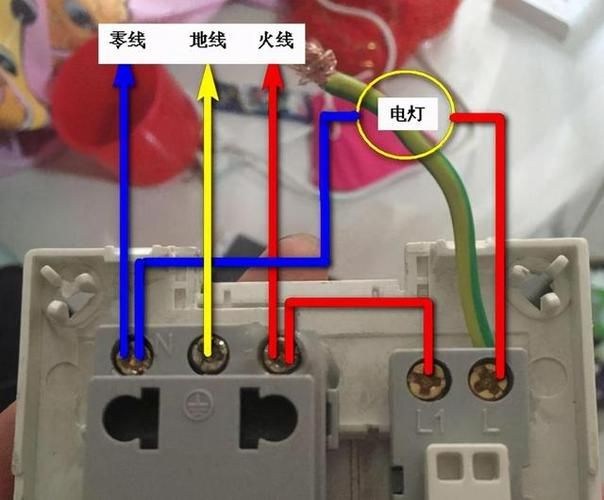
51. Lighted circuits typically consist of power, switches, lamps and guide lines。
52. Daylight lamps consist of lamps, ballasts and lighters。
53. Energy-efficient lamps have the advantage of energy conservation and long life。
Led lamps are a new and efficient source of energy-efficient light。
Insulation of electrical equipment should meet the requirements。
56. The measurement of electrical resistance allows the use of universal-use meters。
57. The measurement of voltage allows the use of voltage slots from the universal meter。
58. Electricity currents can be measured using a one-size-fits-all or a plier。
59. The oscilloscope can be used to observe the wave shape of telecommunications。
Signal generators can generate various telecommunications numbers。
61. Ground-based resistance measurements should use specialized ground-based resistance testers。
Electrical equipment should be installed in a secure manner to facilitate operation and maintenance。
63. Electrical equipment shall be debugged in accordance with instructions and relevant standards。
64. Electrical equipment is regularly maintained and maintained to extend its useful life。
65. The screening of electrical failures should follow the principle of ex-ante, ex-ante and ex-ante。
66. When circuit failure is checked, methods such as circuit breakers, short circuits and substitutions may be used。
67. Important technical parameters and performance indicators are marked on the label of electrical equipment。
68. Electrical systems should be designed taking into account factors such as safety, reliability and economy。
69. Control methods commonly used in industrial control circuits include relay contactor control, plc control, etc。
Plc is the abbreviation for programmable logic controllers。
71. The drawings of the electrical control system include the rationale, the wire and the layout。
Sensors can convert non-power signals to electrical signals。
Temperature sensors, pressure sensors, place transfer sensors, etc. Are common sensor types。
Encoders can be used to measure angles and position shifts。
75. Frequency transformers regulate the speed of communication motors。
Soft starters can achieve smooth start of electrical motors。
77. Direct flow-referral systems are often used for the speed control of direct flow motors。
78. Mine-proofing measures for electrical equipment include the installation of detonators, mine-protectors, etc。
79. The hazards of electrostatics include fires, explosions and malfunctions of electronic equipment。
80. The elimination of electrostatic power is done by grounding, increasing humidity, using electrostatic eliminationors, etc。
Electromagnetic compatibility means that electrical equipment works normally in an electromagnetic environment and does not interfere with the environment。
Radio interference may be caused by electrical equipment and measures should be taken to curb it。
83. Smart electrical equipment has automatic control, monitoring and diagnostic functions。
84. Electrical control systems for industrial robots include drive systems, control systems and sensor systems。
The electrical systems of the digitally controlled machines are key to achieving precision processing。
86. Electrical control of automated production lines requires high reliability and stability。
87. Electrical technologies in the area of new energy sources include solar and wind power。
88. Electrical systems for electric vehicles include battery management systems, power drive control systems, etc。
89. Electrical devices in intelligent homes are managed through the network。
90. Smart grids are the future direction of power systems。
91. Energy efficiency measures for electrical equipment include the selection of efficient equipment and the optimization of operating methods。
The development and use of green energy places new demands on the electrical sector。
Electrical standards and norms are the basis for ensuring the safe and reliable operation of electrical equipment。
94. Learning about electricians requires a combination of theory and practice。
95. Continuous attention is paid to the evolution of electrical technology and the upgrading of knowledge and skills。
96. Work safety is ensured by compliance with electrical operating procedures。
97. Improved capacity and experience in solving practical problems。
98. Participate in relevant training and examinations and obtain a certificate of electric salary。
99. Exchange experiences with peers and learn from each other。
100. Fostering rigorous working attitudes and responsibilities。
I hope this basic knowledge will help you