Journalist zhang ji-chul beijing
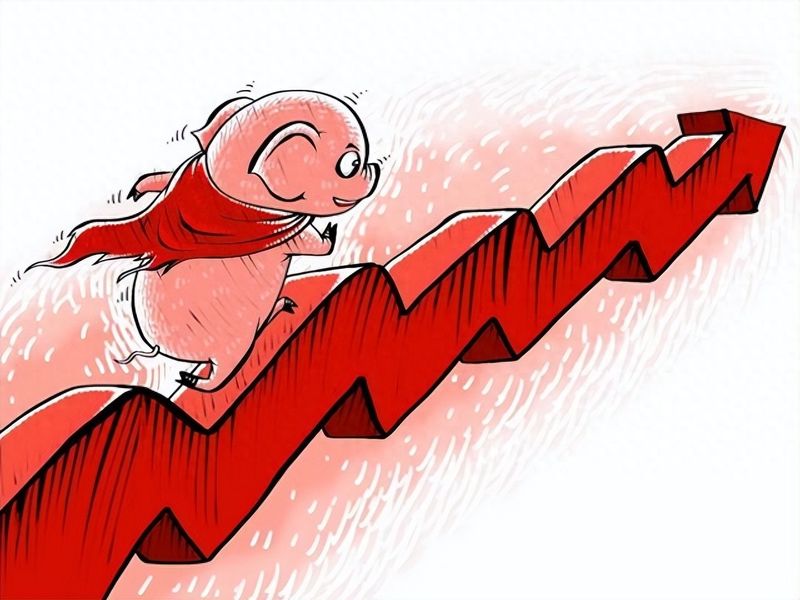
In the beginning of the new year, the price of pork, which was supposed to be in the hot season, went down。
According to the national development and reform commission, the national average price of pork grains was 5. 93:1 from 3 to 6 january 2023, and it entered a three-tier warning period of excessive decline, as stipulated in the plan for improving the regulation of government pork reserves and preparing for prices in the pork market。
The cpi was again below expectations because of the price of pigs. On 12 january, the national institute of statistics released data showing that in december 2022 the national consumer price increased by 1. 8 per cent over the same period, again below expectations. Throughout 2022, the national consumer price increased by 2 per cent over the previous year and fell somewhat short of the target of about 3 per cent。
“we are concerned about the recent fall in domestic prices of raw pigs, which has been affected by the weaker consumption of pork than in previous years and the increasing supply of raw pigs. Analysis suggests that the overall capacity for domestic pig production is currently in a reasonable range and that price fluctuations are expected to be lower in 2023 than in 2022. The national commission for development and reform will continue to keep a close eye on market developments and take timely regulatory measures, as foreseen, to promote the smooth functioning of the pig market.” the director of the prices division of the national development commission for reform stated during the launch。
Zhao wei, the chief analyst of national securities, said to the wigand times reporter that, according to projections, the opening year of the cpi was either relatively moderate. Hf data show that the average price of pigs in 22 provinces and municipalities continued to fall in early january, folded oil prices down, etc., or made cpi inflationary pressures relatively manageable at the beginning of the year; along with the gradual liberalization of epidemic control, rehabilitation of sub-linear activities, etc., or led to a continued increase in the core cpi. Cpi inflation or a “v”-type trend throughout the year focused on the pace of the cpi, driving “compensatory” price increases from services, etc。
Pig prices are still a drag
From the cpi point of view, the cpi increased by 0. 2 percentage points over the same period, but still below the projected 1. 9 per cent. The ring ratio was evened from negative, with the core cpi increasing by 0. 1 percentage points to 0. 7 per cent over the same period。
Under the sub-section, the food ring ratio was positive from negative to 0. 5 per cent, lower than 1 per cent of the average for the same period in previous years. The red tower securities analyst, yang xin, said to the wigand times reporter that food price increases were driven mainly by seasonal increases in the price of fresh vegetables and fresh fruit, and that pork was an important drag。
From the point of view of the consumption cycle of the pork market, the annual spring season is a boom in pork consumption, but on the eve of the spring year, the season is not strong and the price of pork is entering a three-tier early warning zone of excessive decline。
It is understood that, in early december, when the immunization policy was optimized, consumption did not follow suit, so that the situation on both sides of the supply and demand situation sharply reversed, with prices falling from $22 to $15 to a kilogram。
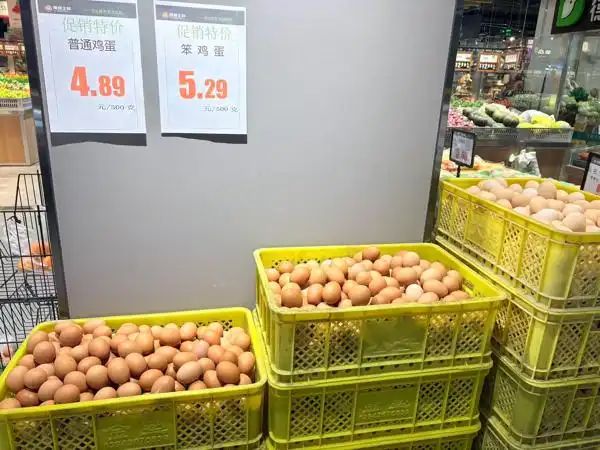
According to the data, the rise in the price of animal meat was 11. 6 per cent, affecting about 0. 38 percentage points for the cpi, 22. 2 per cent for pork and about 0. 31 percentage points for the cpi; 11. 0 per cent for fresh fruit, affecting about 0. 21 percentage points for the cpi; 9. 6 per cent for eggs, affecting about 0. 06 percentage points for the cpi; 3. 4 per cent for water products, affecting about 0. 06 percentage points for the cpi; 2. 6 per cent for food, affecting about 0. 05 percentage points for the cpi; and 8. 0 per cent for fresh vegetables, affecting about 0. 18 percentage points for the cpi。
By comparison, the price of fresh vegetables rose by 7 per cent, affecting the cpi by about 0. 14 per cent; the price of fresh fruit by 4. 7 per cent, affecting the cpi by about 0. 09 per cent; the price of water products by 0. 4 per cent, affecting the cpi by about 0. 01 per cent; the price of livestock by 4. 6 per cent, affecting the cpi by about 0. 17 per cent; the price of pork by 8. 7 per cent, affecting the cpi by about 0. 16 per cent; and the price of eggs by 2. 1 per cent, affecting the cpi by about 0. 02 per cent。
“according to the combination of cyclical, seasonal and over-expected factors, the situation in the pig-breeding market in 2022 is more complex.”。
Under this arrangement, the national development reform commission, together with the relevant departments, has strengthened its monitoring and analysis of early warning, enhanced its expected direction and market regulation, strengthened its reserve regulation and robust market regulation。
However, feng yinghui predicts that the price of pork will still shock at the bottom in the near future and will not change much in the short term。
For the other items, the prices of the seven main categories increased by one to six per cent. Among them, the prices of transport, communications, other goods and services, household goods and services increased by 2. 8 per cent, 2. 8 per cent and 1. 5 per cent, respectively, while the prices of education, culture and recreation, health care, clothing and clothing increased by 1. 4 per cent, 0. 6 per cent and 0. 5 per cent, respectively, and the prices of residence decreased by 0. 2 per cent。
Ppi's hoping for a bottom up
It is worth noting that energy prices have fallen significantly as a result of the fall in international oil prices. This is not only a drag on the cpi, but also a super-expected fall。
According to the chief statistician of the urban division of the national statistical office, li quan, as a result of the low comparative base figure for the same period of the previous year, the ppi fell by 0. 6 percentage points to -0. 7 per cent in december 2022. However, it is still below the expected -0. 3 per cent。
In that month, the price of means of production declined by 1. 4 per cent in comparison with the same month, with a contraction of 0. 9 percentage points; the price of means of living increased by 1. 8 per cent in comparison with the same month and fell by 0. 2 percentage points。
Among the main industries, the prices of ferrous metal smelting and scalding, non-metal mineral products, non-ferrous metal smelting and scalding, coal mining and washing industries have narrowed; oil and gas mining, agro-food processing industries have recovered; and petroleum coal and other fuel processing industries, computer communications and other electronic equipment manufacturing industries have increased. Chemical manufacturing, chemical raw materials and rubber plastic rings in the relevant industrial chains continued to fall, ranging from -1. 7 per cent, -1. 2 per cent and -0. 3 per cent, respectively, and prices in the relevant upstream industries continued to rise。
In yang hin's view, prices in the crude oil chain continued to fall, prices in the black chain continued to rise, or there was a need for internal and external differentiation。
“as some of the epidemic has reached its peak with the rapid recovery of productive lives in cities, the market now has expectations of economic rehabilitation, and a series of “back-to-back” property policies have been added to boost the industry, and prices of non-ferrous metals, such as coal, steel and copper, priced by domestic demand have increased.” yang xin indicated。
Looking back at the fall of ppi in 2022, particularly in the first half of the russian-uuian conflict, the bottlenecks in the supply of energy and coloured commodities became apparent, and prices of foreign-demand-pricing commodities rose significantly. According to projections, in 2023, ppi is expected to return to bottom but expect low-level shocks。
The current geopolitical conflict has cooled, labour supplies are gradually being repaired, and the supply side's impact on commodity prices will diminish. Currently, the slowdown in the overseas economy will discourage large commodity prices, such as crude oil; but with a steady recovery in the real-estate sector and a steady recovery in consumption, domestic demand recovery is expected to recover gradually, and it is expected to support the prices of coal, steel, cement, colour, etc., and finished commodities。