The cpi of the new kyoto news service (reporter kang huixiang) ran in high places for half a year and finally implemented. On 9 january, the national institute of statistics published the national consumer price index for 2019. Cpi grew by 2. 9 per cent in 2019, an increase of 0. 8 percentage points over the previous year and within the 3 per cent target。
According to the chief economist of the transport bank, the cpi will remain high in the near future, with a clear fall after the first quarter of 2020. The director of the chinese institute of public finance and policy at the central university of finance and economics, cho bao yun, said to journalists that, according to his judgement, prices would continue to rise this year, which was related to the overall economic situation。
How does the price of pork affect the cpi
- the price of pork is decreasing for the cpi
In december, cpi increased by 4. 5 per cent over the same period, at the same rate as last month, and for the second consecutive month it was in the “era 4. After deducting food and energy prices, the core cpi rose by 1. 4 per cent over the same period, with a steady increase。
Food prices, which had previously risen sharply, continued to rise by 17. 4 per cent this month, but declined by 1. 7 percentage points; the ring ratio has shifted from 1. 8 per cent last month to 0. 4 per cent。
Specifically, the prices of fresh vegetables and fruit rose by 10. 6 per cent and 0. 6 per cent, respectively. The senior statistician of the urban division of the national statistics office explained that the price increases were mainly affected by cold air and large-scale snowfalls, and that the cost of fresh vegetables, fruit production and storage increased。
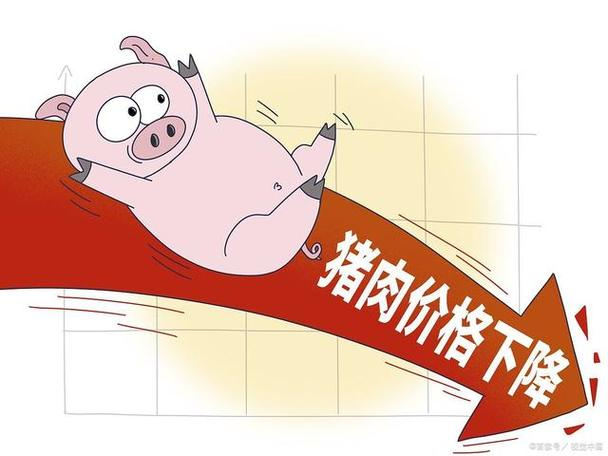
The price of pork declined from 3. 8 per cent last month to 5. 6 per cent, affecting the cpi by about 0. 27 percentage points; in comparison, the increase was 97. 0 per cent, with a sharp fall of 13. 2 percentage points and a marked fall in the price of pork。
Shen zhen indicated that the fall in pork prices was due mainly to a further reduction in the previously tense supply situation, “a positive change in the production of raw pigs and an increase in imports from central and local reserves”
The fall in the price of pork has led to a marked fall in the price of consumer alternatives. Of these, the price increases for beef and lamb fell from 2. 8 per cent to 0. 1 per cent and 1. 3 per cent to 0. 2 per cent, respectively, and for chicken and duck from 4. 3 per cent and 3. 6 per cent to 4. 9 per cent and 1. 9 per cent, respectively。
Lumping argued that the price of pork had fallen in the ring, and that the price of pork had fallen in the same year。
Why did the cpi succeed last year
— the cpi was lower in the first half of the year and eventually remained at 3% throughout the year internal
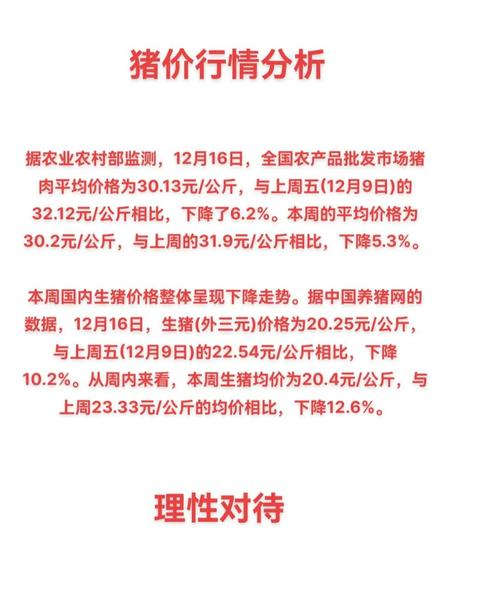
In 2019, led by a sharp rise in pork prices, the monthly cpi was innovatively high and, after “break 2” in march, in september it was again “break 3”, in november and december it was “break 4” for the first time since february 2012。
Whether, throughout the year, cpi could “protect 3” and control the focus of public opinion within its intended objectives at the beginning of the year。
With the publication of the cpi in december, the consumer price index for the population was finalized throughout 2019. In 2019, cpi increased by 2. 9 per cent over the same period, an increase of 0. 8 percentage points over the previous year and remained within the target at the beginning of the year。
This result is consistent with previous general projections. In the first november of last year, consumer prices increased by 2. 8 per cent over the same period, with a combination of factors. The national commission for development and development had indicated that the cpi increase would be within the 3 per cent target for the whole of 2019. These projections have also been made by a number of agencies。
Incomprehensiblely, the 2. 9 per cent increase was driven mainly by the price of pork, “which doubled and led to higher prices of other consumer alternatives, leading to a sharp increase in cpi”
As a result of its ability to “push 3” and combine year-round data analysis, cpi was generally at a low level in the first half of the year, and, despite the large increase in the later period, it eventually remained within 3 per cent of the year。
From the point of view of the foundations and conditions of “purpose 3”, the ndc press spokesman meng yi said that there was a solid basis for the smooth operation of prices, the availability of agricultural and industrial products, the effectiveness of a number of measures to secure the price of pork, the gradual recovery of pig production and the significant increase in the production of alternatives, such as poultry and water products, as a result of policy measures。
Will the "closing red line" cause inflation
- uneven food supply leading to atypical inflation
The cpi directly reflects price levels and is usually considered to be one of the factors determining whether inflation will occur。
While cpi did not break the 3 per cent red line in 2019, the “closing red line” is also a source of concern for many, and does it cause inflation and affect macro-regulation policies
According to the chief economist of the transport bank, the increase in cpi was due to imbalances in the supply of some food, not to an increase in monetary factors and overheating of the economy, and therefore was not a typical inflation。
According to last november's data, the consumer price of our population increased by 4. 5 per cent over the same period, with the direct contribution of pork prices of about 60 per cent per item, and the price of consumer alternatives, such as cattle and goats, increased by about 70 per cent。
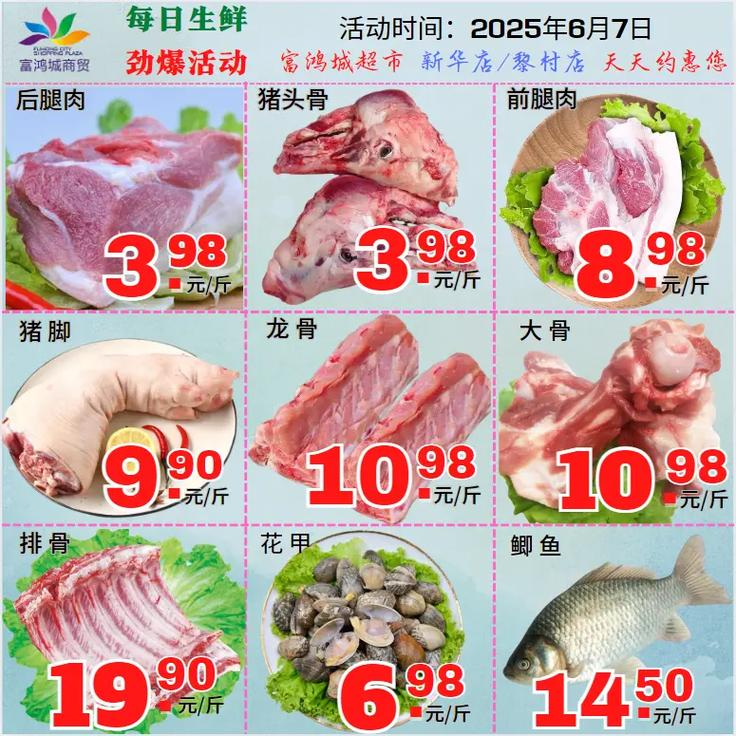
However, another group of data shows that if the effects of the price of pork were eliminated, the core cpi would increase by only 1. 4 per cent that month. Ndc indicated that the cpi was operating smoothly。
In his view, this suggests that there is no apparent pull factor for the cpi rise in areas other than pork。
“it is also clear to us that this increase in the cpi is due mainly to imbalances in the supply of some food, to disruptions on the supply side, not to an increase in monetary factors, and to the rise in demand caused by overheating. It is therefore not a typical inflation.”
He said that the main problem facing the economy was the lack of demand. “increased downward pressure on the economy and the persistence of external uncertainties, compounded by multiple factors affecting the functioning of the economy, resulting in insufficient demand and a continuing negative ppi for many months, are the main problems at present.”
While there is no need to worry too much about inflation, even the modest reminder that local price increases, if poorly managed, can lead to more comprehensive price increases。
For example, the rise in pork prices has led to an increase in the price of consumer alternatives, which, if poorly disposed of, could spread further to other items of life, thereby increasing the pressure on the cpi to rise。
At the same time, the application of macro-regulatory policies is constrained. He noted, for example, that interest rates could have been reduced more markedly, but that in the current case of more pronounced price increases, policies needed to consider whether the hike would have further stimulated price increases。
In his view, the regulatory and macro-regulation sectors need to consider the above factors in a comprehensive manner and to better target supply and demand linkages so that local price increases can be brought to an end as soon as possible。
Will the us-iraq conflict affect the cpi in a quarter
— low probability of sustained rise in oil prices, with short-term implications for cpi
The rise in oil prices triggered by the conflict between the united states and the islamic republic of iran, combined with the spring-time effects, raised concerns about the cpi movement in the first quarter of this year。
Even ping argued that the increase in oil prices was a major factor affecting the cpi in the first quarter, but that the price would not continue to rise for too long and not too much。
“it can be seen from last night's statement by trump that when the cloud of war that we feared had dissipated, it is less likely that oil prices will continue to rise sharply, but it will still have a short-term impact on the cpi in the first quarter.”。
At the same time, even though the supply of and demand for pig production are decreasing, returning to normality after at least the first quarter of 2020, plus the effects of the last-year hiatus, the cpi will remain high in january and is expected to operate between 4 and 5 per cent, but the likelihood of continuing to increase significantly is low。
In late january, a new year of chinese agricultural calendars will be observed, and holiday factors may also lead to price increases. Earlier, the ndc press spokesman, meng yi, said that, given the impact of the spring-saving effects and the impact of price movements in 2019 on the 2020 tail factor, the increase in the cpi could be higher at the beginning of the year。
In recent times, department of commerce data show that between 30 december 2019 and 5 january 2020, the prices of pork, beef and lamb rose, prices of poultry products fell, prices of water products slightly increased, average wholesale prices of 30 vegetables fell and average wholesale prices of six fruits increased slightly。
Even ping stressed that while prices, such as pork, may rise at spring festivals, there will be a corresponding increase in regulation, such as through the freezing of pork, market price management and increased supply of consumer substitutes, which will discourage further increases in pork prices。
What's going to happen this year
- 1 quarter cpi or 3 per cent growth, 2 quarters coming back
Throughout the year, the ndc indicated that our overall price level will remain essentially stable over the coming period。
It is his belief that, as a series of measures to encourage the production of raw pigs progresses over the past year and enters the second quarter, there may be a marked increase in the supply of raw pigs and a clear fall in cpi。
“as seen throughout the year, the first half of 2020 is high, possibly more than 3 per cent in the first quarter, with a gradual fall into the second quarter, with an overall upward and low trend that can be contained within 3 per cent throughout the year.”。
Formerly, cho bao yun, director of the china institute of public finance and policy, central university of finance and economics, had indicated to the news reporter that prices would continue to rise in 2020。
From the perspective of the overall economic situation, he believed that there was some certainty in the price rise in 2019. "our money was in the house in the past, but with it, we didn't fire. Since then, housing prices have stabilized and the currency will flow to other areas.”
“the promotion of high-quality development will no longer lead to water-filled stimulus policies, as was the case in the past, so that the currency accumulated in high growth in the preceding period will continue to flow to other areas, leading to higher prices.” he said。