9/21/2022, fibre-optic online news, and recently, the sino-star federation of china shared technical articles on the recovery of the clock, and took you to the shallow recovery of the clock
What's wrong with not having a clock back
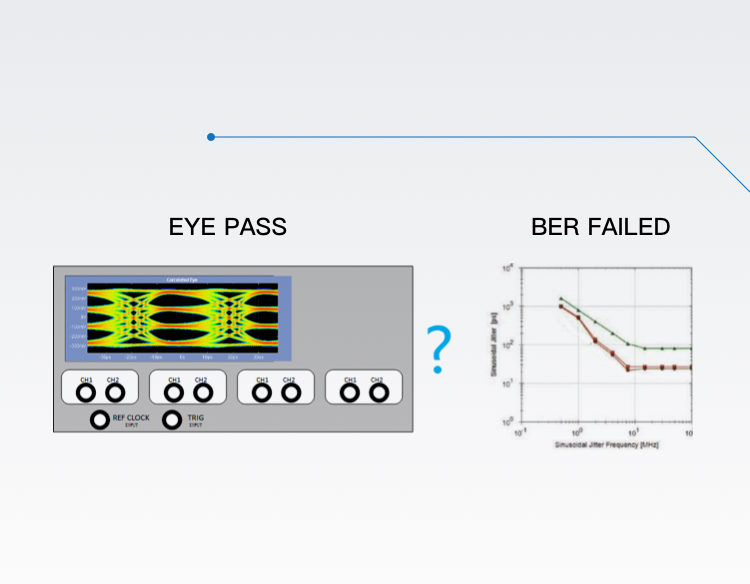
Have you ever experienced a high degree of error in the eye map
Have you ever experienced a situation where output and source triggers do not synchronize after being tested
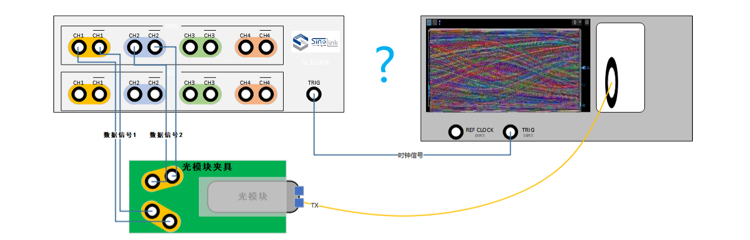
Have you ever encountered a situation where you wanted to test with an oscilloscope without providing a trigger signal
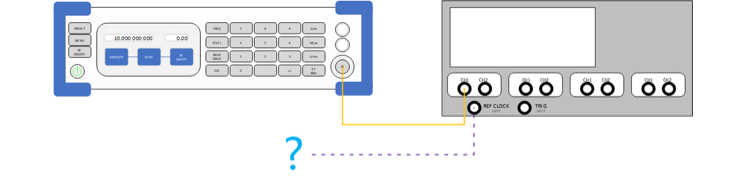
Have you ever experienced an error rate test with an error detector that requires a synchronized clock? What are the consequences at this point of recovery if the internal clock of the detector restores the ring bandwidth greater than or equal to the external clock restoration unit

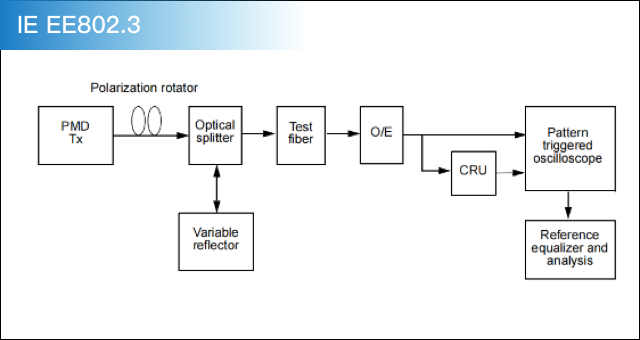
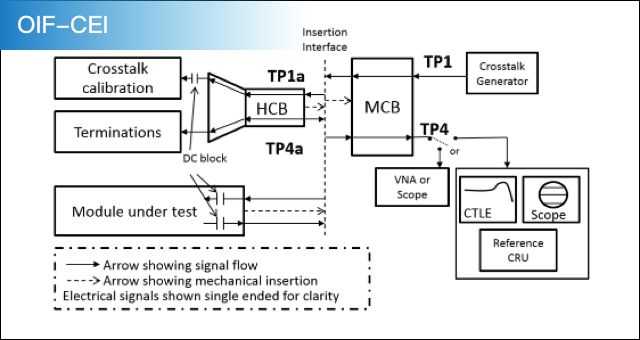
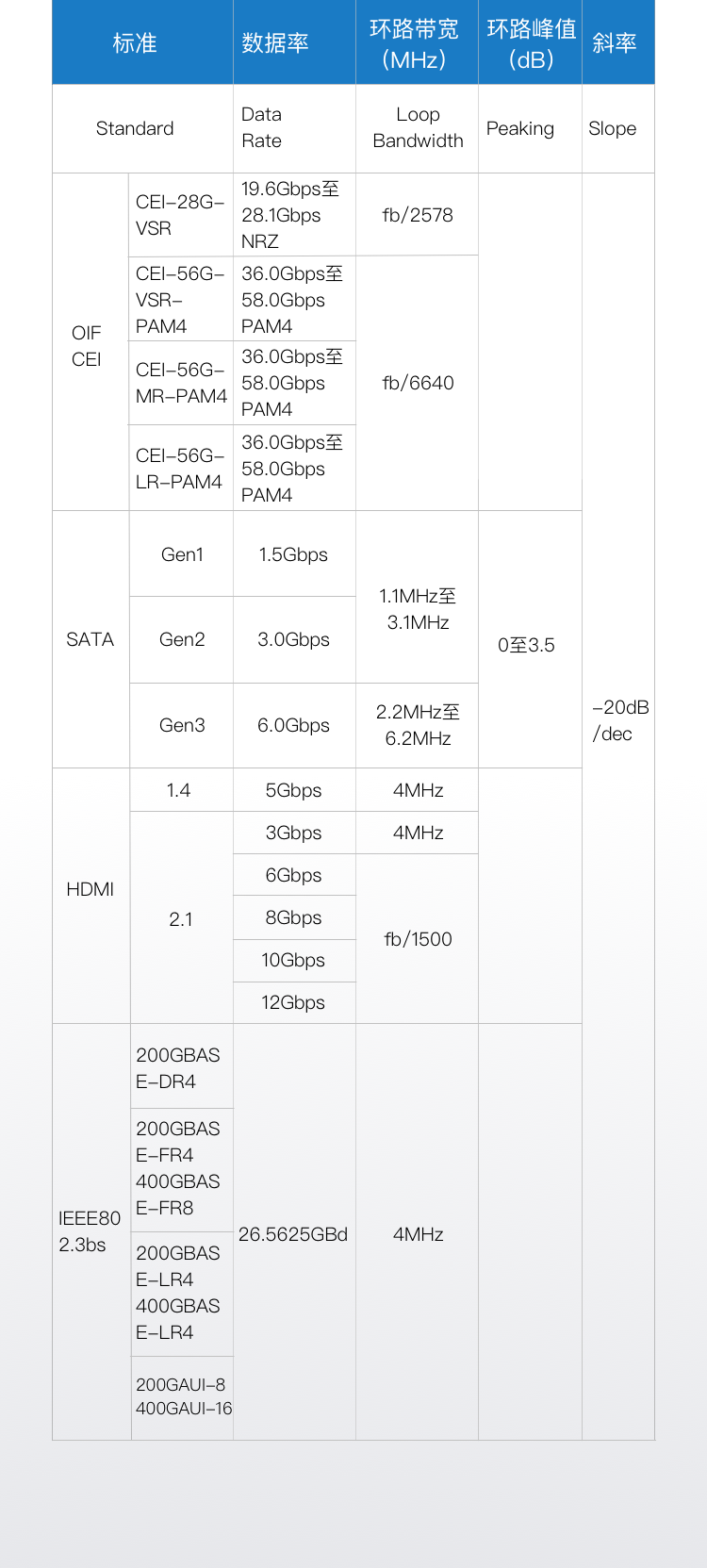
Have you noticed these interesting terms in the norms, such as baud rate/1667, baud rate/2578, baud rate/6640? When conducting the tx send-end test, do different rates and protocol requirements need to be met by adjusting the clock to restore the circular bandwidth and peak of the unit
What's clock recovery
Basic concepts
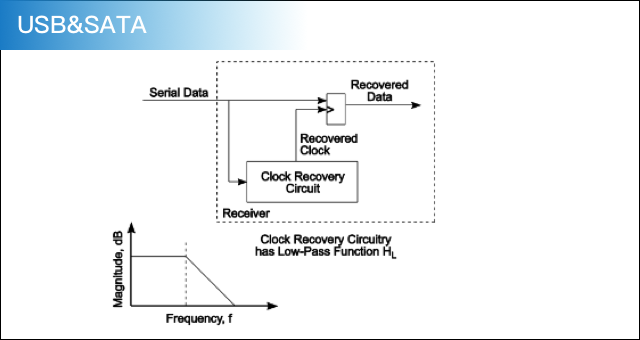
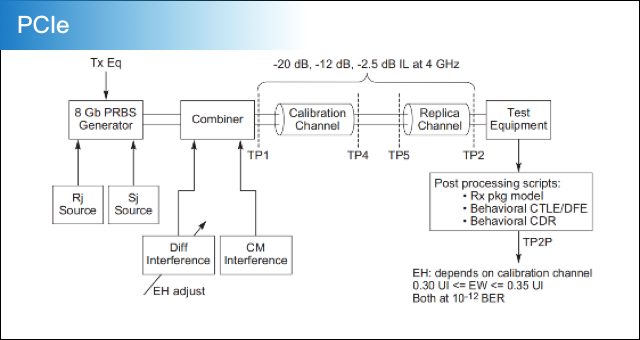
The existing high-speed serial bus protocols usually contain clock signals in the data without the need for a separate clock signal and data parallel transmission, and some of the differences between hdmi and jesd204b and traditional interfaces can be seen in figure 1 and will be eliminated. In order to be able to sample the data correctly at the receiving end, it is necessary to extract the clock signal embedded in the data, i. E. The clock recovery。
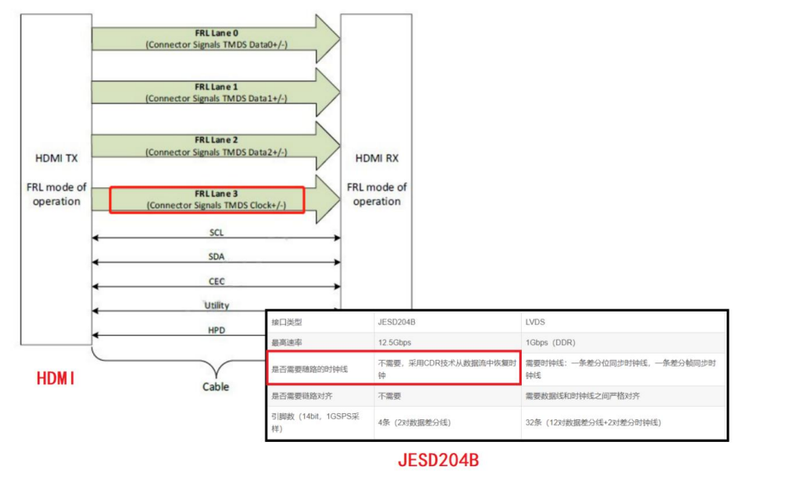
Figure 1
Figure 2 shows that there may be significant differences in the results of sampling decisions at different sampling times, so that the availability of sampling decisions at the same time in each cycle, without a road clock, is a critical factor that directly affects transmission results。
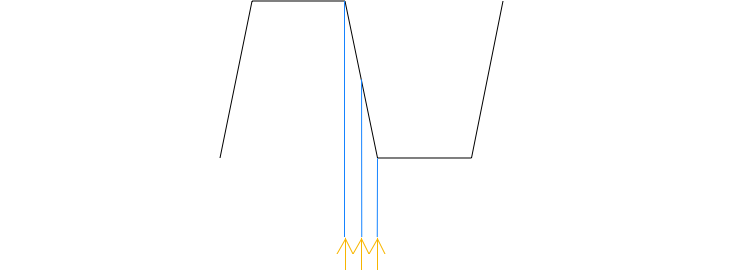
Figure 2 sample time diagram
A simple clock recovery circuit, as shown in figure 3, is capable of extracting the data series from the received nrz/pam4 signal and restoring the clock signal corresponding to the data series, which can be used as a reference source for sampling oscilloscopes, error coders or other receivers to synchronize data with input data。
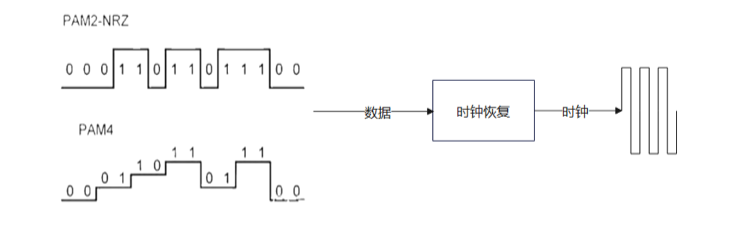
Figure 3
For a restored clock, the following three conditions are usually required:
Proportional relationship between clock frequency and data speed
The clock has a fixed phase relationship with the data
The clock's twitching is smaller
Principle of composition
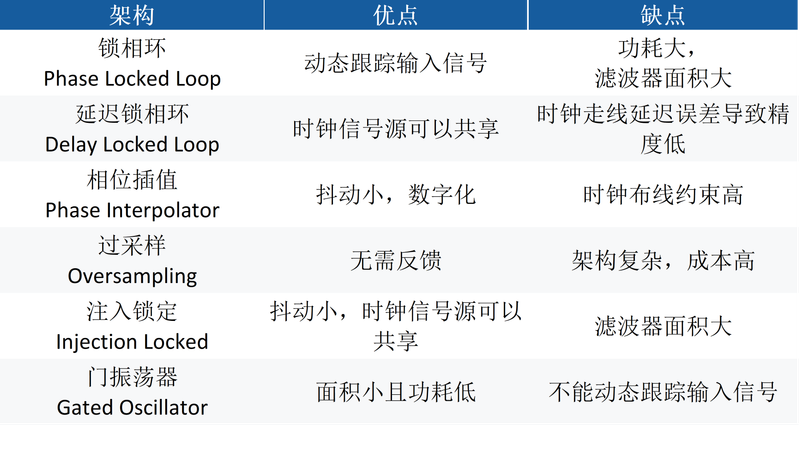
The structure currently in place for the recovery of the clock is shown in table 1, which includes, inter alia, lock-ring technology, delayed lock-ring technology, phase interpolation technology, oversampling technology, injection locking technology, door oscillator technology, etc. Injecting lock and door oscillator circuits react more rapidly and are currently used in sudden-onset mode communications such as ftth, atm, epon, gpon, lans, etc. The circuits such as locking, delay locking, phase interpolation are suitable for continuous mode communication, e. G. Sonet, fiber channel, gigabit ethernet. Sampling circuits are both applicable. In the clock restoration module table, the extraction of clocks is usually achieved using a chain-ring technique。
Table 1 advantages and disadvantages of restoring circuits to clock data in different structures
The rationale for the restoration of the clock by locking the cycle is as shown in figure 4, with a phase locking the ring and a frequency locking the ring, a frequency locking the ring creates a rough-to-frequency lock range and a phase locking the ring creates a fine-to-frequency lock range. The frequency-locking loop divides the pressure oscillator 2 output into the frequency cascading camera, allowing a higher output frequency to be generated through a lower reference input frequency, making the pressure oscillator 2 output frequency nx reference input frequency. At the same time, the controlled voltage of the frequency-locked loop can be given to the pressure-controlled oscillator 1 to bring the oscillation frequency of the pressure-controlled oscillator 1 close to or equal to the target-locking frequency, and the catheters in the phase-tracking loop can accurately adjust the output of the pressure-controlled oscillator 1 to the same speed as the data input, where the cut-off frequency of the low-through filter determines the length of the chain。
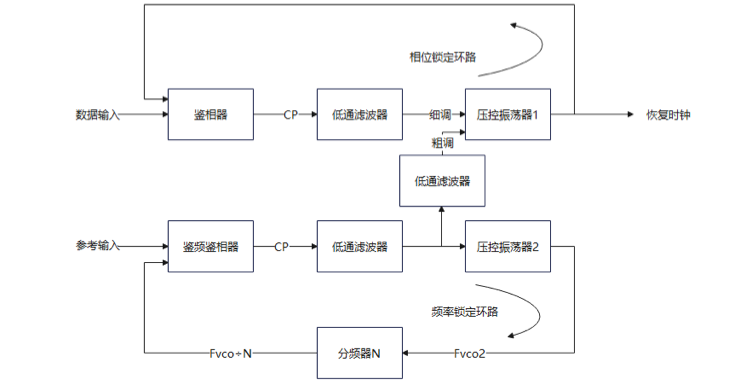
Figure 4 clock-ring clock restoration logic
The echoing clock signal is dependent on the inherent shaking of the pressure-controlled oscillator and the length of the chain, which can track and contain the dithering within the bandwidth of the loop, neglecting the dithering outside its bandwidth and exceeding the frequency of the circuital bandwidth cut-off frequency and the effect of the inhibition, and figure 5 shows us a vibrating conveyor curve. An external roll-down factor has been applied to the dithering inhibition and frequency of the loop bandwidth, which is defined in many standard protocols as a 20db/10-fold roll-down factor for the perfect locking ring “golden pl” and a value of the ring bandwidth with a constant ratio to the data speed (which changes when the rate of input data changes)。
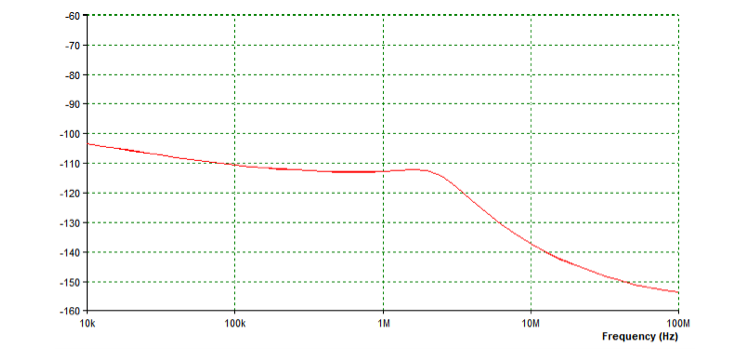
Figure 5 dithering the curve
The greater the length of the loop, the smaller the clock signal that is restored; in turn, the wider the circuit wide, the greater the clock signal that is restored. When the restored clock signal is used as a trigger for the sample oscillator, the smaller the clock signal is, the larger the measured data dithering, the greater the clock signal is, the smaller the measured data dithering is. Because the vibrations in the clock and the vibrations in the data are of the same origin, the same rate and range of shaking is maintained when the clock is used as a baseline to sample the data, which is more stable for the results! This is why the standard protocol needs to define the loop bandwidth of the clock restoration unit when the eye map is tested, otherwise the measured results may not be true。
As shown in figure 6, an eyechart test is performed on the same signal with a vibrating effect, with an eyechart test on the left side when the loop bandwidth is greater than the shake frequency and an eyechart test on the right side when the loop bandwidth is smaller than the vibrating frequency. As can be seen, when the clock is restored to an inappropriate bandwidth, it may have led to the wrong test conclusion

Figure 6 distortion signals triggered by the recovery of clocks from different ring bandwidths eye. Figure
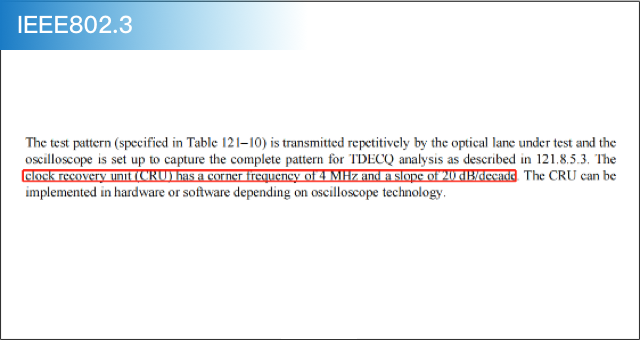
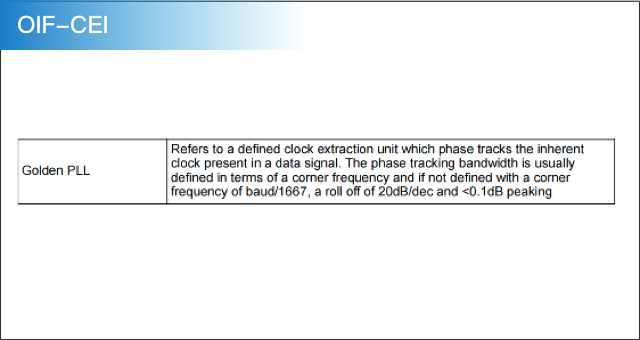
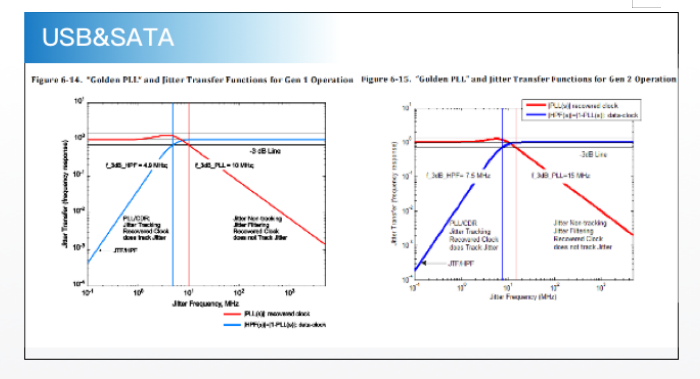
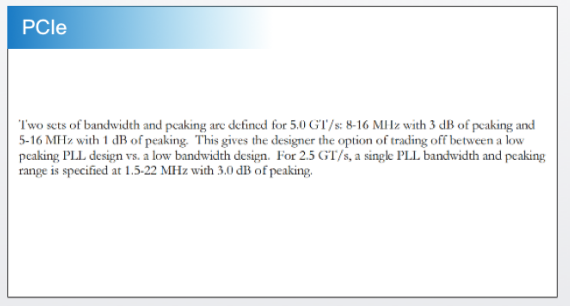
All bus standards (e. G. Eth ethernet, oif-cei light alliance, pcie, usb 3. 0, sata, etc.) have different circular bandwidth requirements based on speed and protocols, as shown in figure 6, and therefore also require the clock restoration unit to provide a suitable variable ring bandwidth to respond to complex test requirements。
03. Select which indicator functions to restore the clock to require attention
1 rate range with a certain amount of excess to meet the work rate range of the detected item
On the one hand, some critical tests of the measure need to be over-ranged, while on the other hand, when the data contain dithering, the physical lock-up needs to be broader than the work rate, otherwise it will lead to lock-outs。
2 input sensitivity below detection output range
The input sensitivity needs to be lower than the output range of the measure, otherwise it will be impossible to lock the input signal properly or steadily。
3. Restore the inherent random shaking of the signal as far as possible below the random shaking of the measure move
Reactivate the inherent vibrating of the signal, which is as low as possible than the random vibrating of the measure, and restore the clock signal, which will follow the input signal, and then the restored clock signal, which will also decrease when the input signal dithers, will not improve the quality of the output once it reaches its inherent vibrate。
4 ring bandwidth needs to be reconcilable to meet standard protocol specifications and debugging requirements for sending and receiving end tests
Different agreements have different requirements for ring bandwidth and, in order to adapt to a wider test environment, clock restoration circuit bandwidth needs to be adaptable to ensure accuracy and compliance in measuring results。
Five, we need to keep tracking as wide as possible
When there is a small deviation in the input data and setting range, the clock restoration unit is also able to be locked properly, and the permitted deviation range is the tracking range. So when entering data at a rate of 64gbd, the tracking range ± 1000 ppm means that all can be locked within 64gbd±64m。
6 with automatic re-locking
In the automated testing environment, in order to improve the efficiency of testing, switches are often installed in the testing system to complete the automated switch, with a short signal loss (no signal) process during the switch, when the clock recovery unit is automatically re-locking, without any operation by the user, i. E. Re-locking and simplifying the testing process。
7 locked frequency detection
Since the clock recovery unit is capable of locking the input signal within the tracking range, the actual input signal rate needs to be able to be displayed to the user to facilitate observation of whether the equipment is working。
8 output frequency ratio configured
When used in conjunction with the receiver, the clock may need to resume output at a rate of 1/2 or 1/4 hours, and when the oscillator is used, the clock may need to revert to output of a clock below 3. 2 ghz. In order to cope with the different use scenarios, the clock output of the clock recovery unit usually requires the provision of a clock-splitting capability。
04. What are the characteristics of the sl3300a series
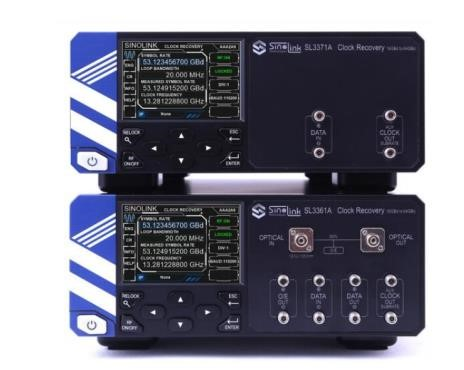
Support for nrz/pam4 signal
Rate range: 18-64gbd
In-house integrated pv transfer module/pv module/ek module
Rotational bandwidth up to 20 mhz
But work in clock recovery mode and clock generation mode
Support local control and remote control
Support input balance
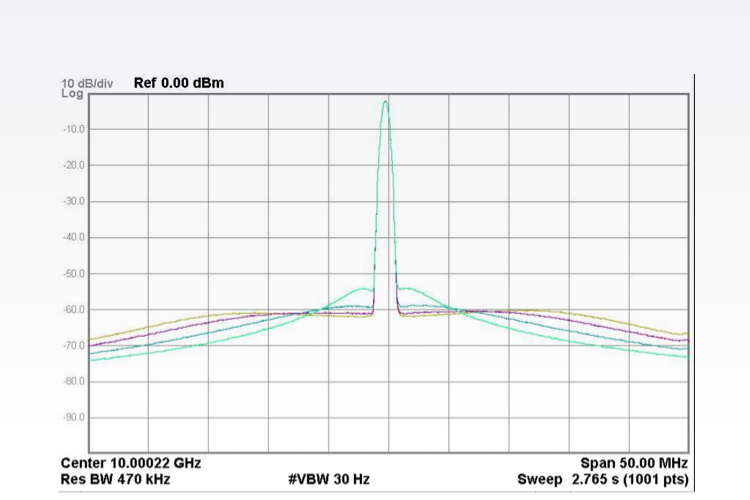
10 tranches to peak
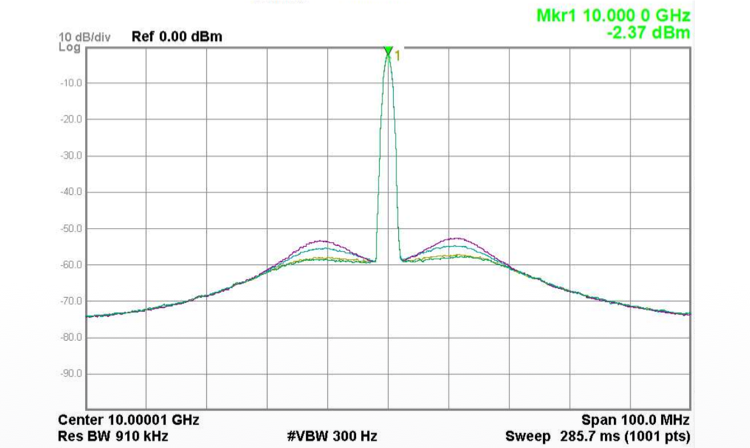
Diverse spectrum analysis function
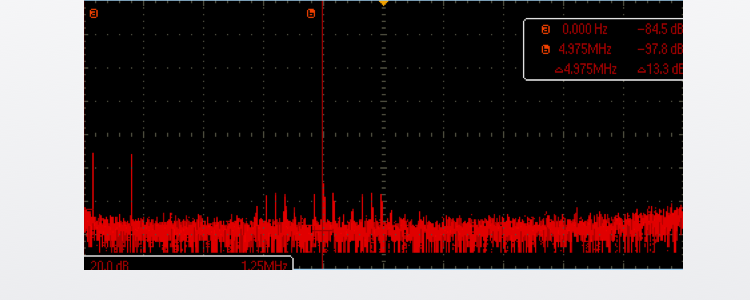
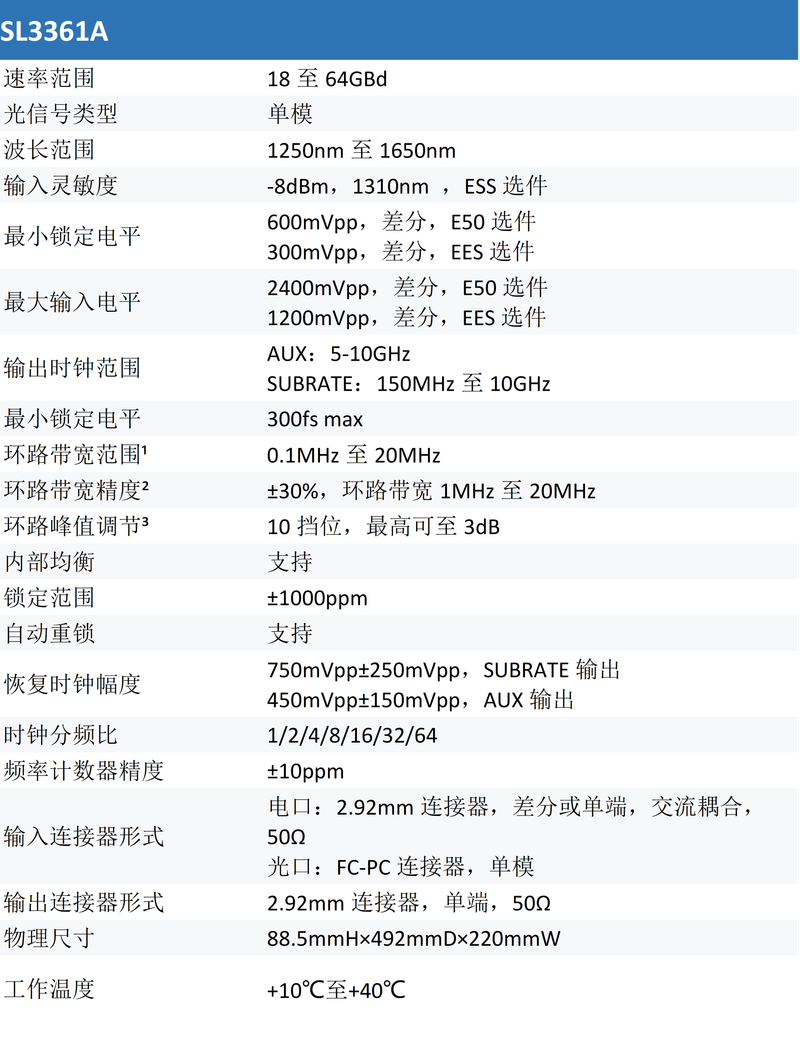
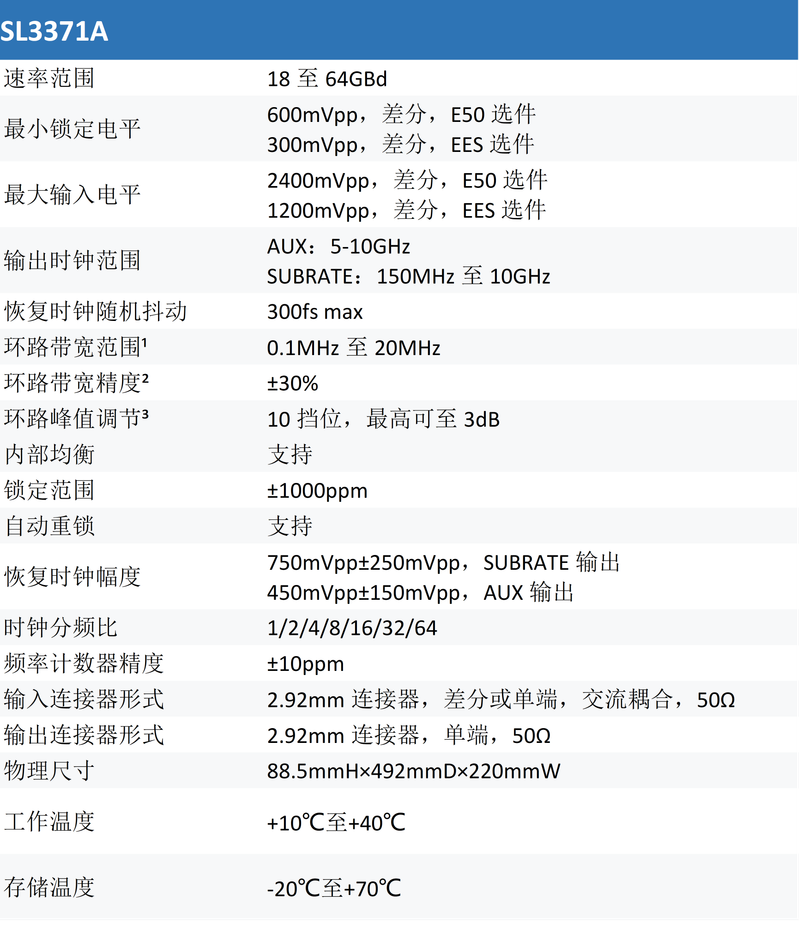
Sl3300a series performance indicators
1 different rates
2 calibration under nrz, prbs 13 conditions
Three, there's a difference in the bandwidth of the circle