Motion of the motor hydraulics conversion system:
Motion of the motor hydraulics conversion system:
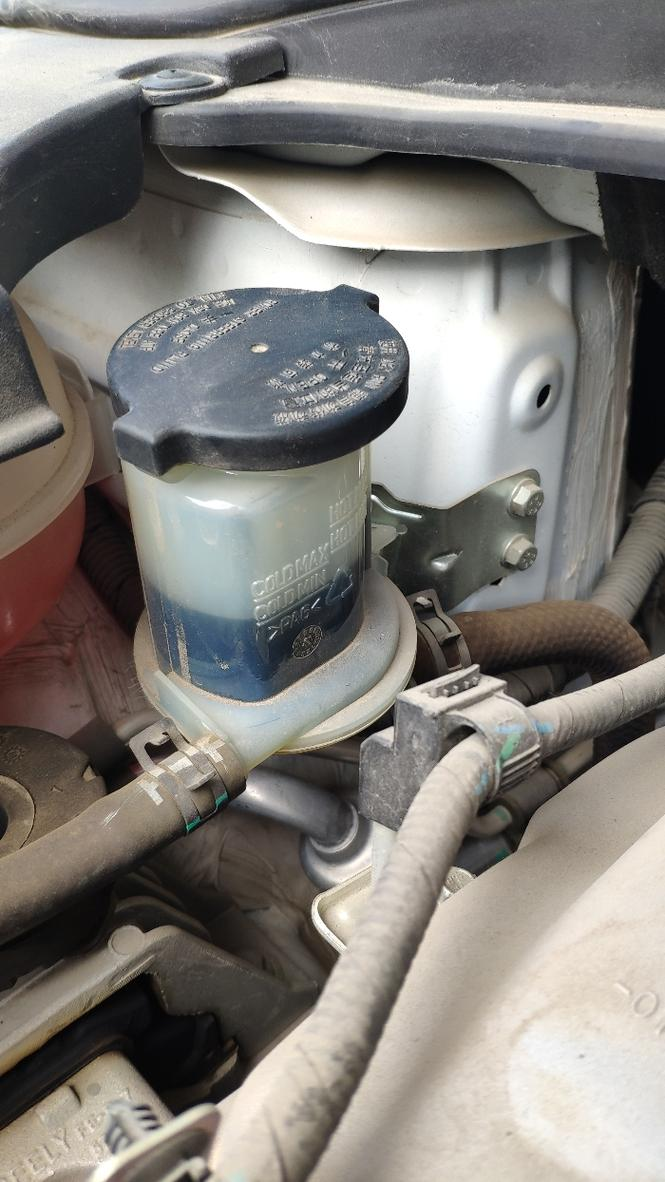
1. Hydraulic aid systems consist mainly of two components of gear gear transfer structure and hydraulic system (hydropumps, hydraulic cylinders, pistons, etc.). The principle of operation is to provide oil pressure boosters through hydraulic pumps (led by motor belts), which in turn generate auxiliary thrusts to pull poles and support wheel shifts
2. A mechanical valve (which can be rotated with a shift column) located first on the wheel, where the wheel is not rotated, remains in place and the pressure on both sides of the piston is the same and is balanced. When the steering wheel turns, the turn-over valves are opened or closed accordingly, the fluids on one side flow directly back to the tank without passing through the hydraulic tank, and the fluids on the other side continue to be injected into the tank, so that the pressure differentials are pushed on both sides of the piston, which in turn creates a auxiliary push towards the puller and makes the shift easier
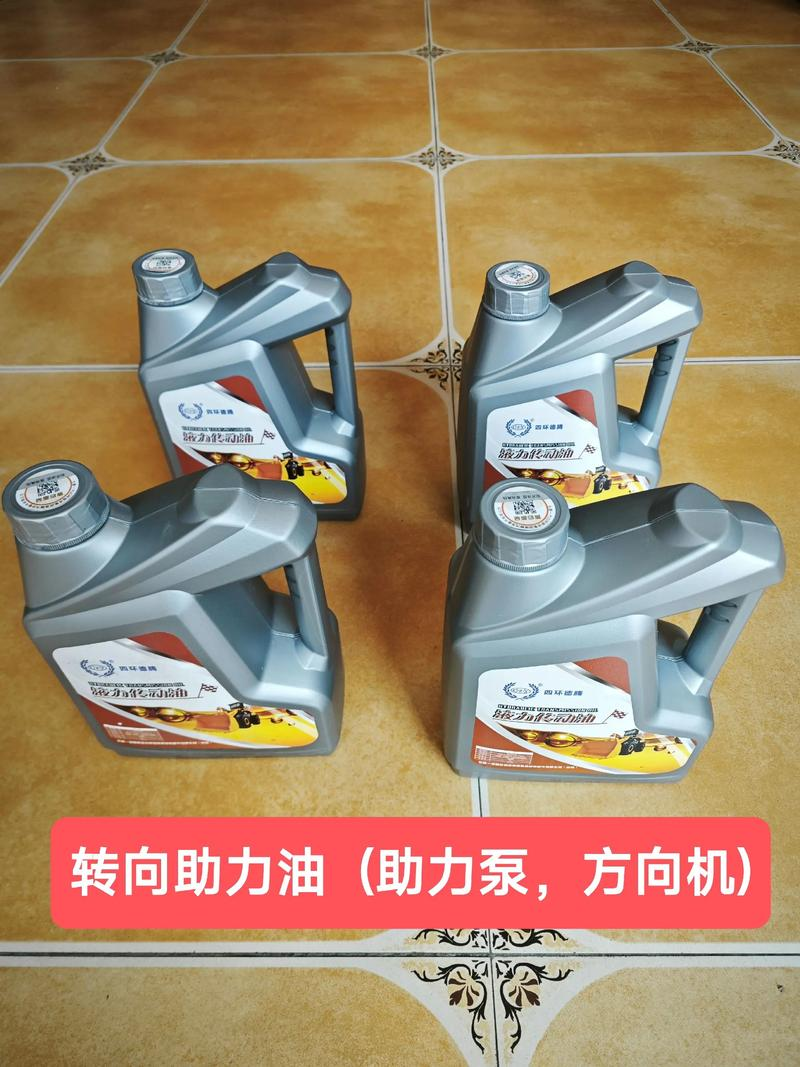
3. In hydraulic transition systems, such as the intense beating of wheels and the non-autonomous transfer of tyres from the pit-basket surface, the impact of hydraulic pressure on the piston can be a good buffer and absorb the vibration, which can significantly reduce the vibration that passes to the wheel. Mechanical hydraulic aids are mature, stable, reliable and widely applied. However, the structure is more complex and maintenance costs are higher. Also, simple mechanical hydraulic aid systems are irreconcilable, and it is difficult to reconcile the different needs of pointing to accuracy when travelling at low speed and at high speed
4. Electronic pumps of electron hydraulics, which do not consume the power of the engine itself, and which are controlled by the electronic system and do not need to be diverted, are closed to further reduce energy consumption. The electronic control unit of the electronic hydraulics conversion system (the pep for the identification of bargains) using information processing of sensors such as speed sensors, transposition sensors, etc., can change the size of the transition force by altering the flow of electronic pumps。
An overview of k01
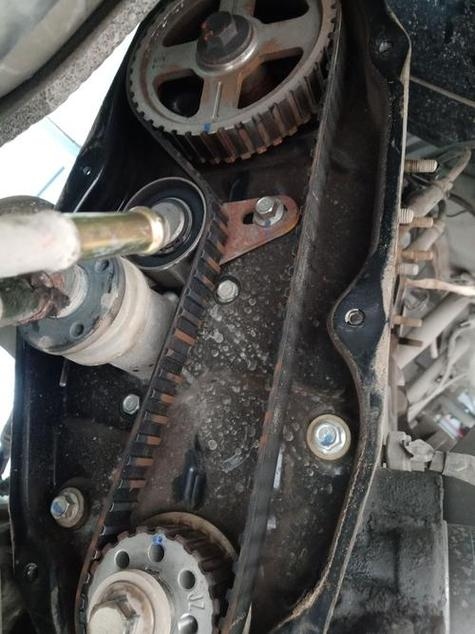
K01, dedicated to building the best value for money, has the unmatched advantage of high price for the industry. It has a size of 3640 mm x width 1560 mm x height 1925 mm, and has many advantages over the same type of car, such as large space, high road performance and car side door opening, which is a product that consumers are looking forward to, and a product that is competitive in the industry。
The medium-control configuration of k01, the eastern wind, used the k07 “modeization” design, but was somewhat simplified in colour and material, and was made of two types of hard plastics, white and rice. It's simple, and it's more common on the market