1. Structure and profile of the cold water crew
The central ac has two types of chiller and water cooler units, i. E., direct exchange of cooling or heating of new or heat, i. E., first cooling or heating of heat-heated water to the air-conditioning system of the wind pipe, and thermal or cold energy to be delivered at the end of the sector by the new or mixed wind。
The chillers are also known as chillers, chillers, ice-water units, coolers, etc. The requirements for chillers are different because of their extensive use in various industries. The cold water unit consists of four main components: compressors, evaporationers, condensers, and swelling valves, thus achieving the heat-refrigeration effect of the aircraft。
Centrifugal cold water unit structure
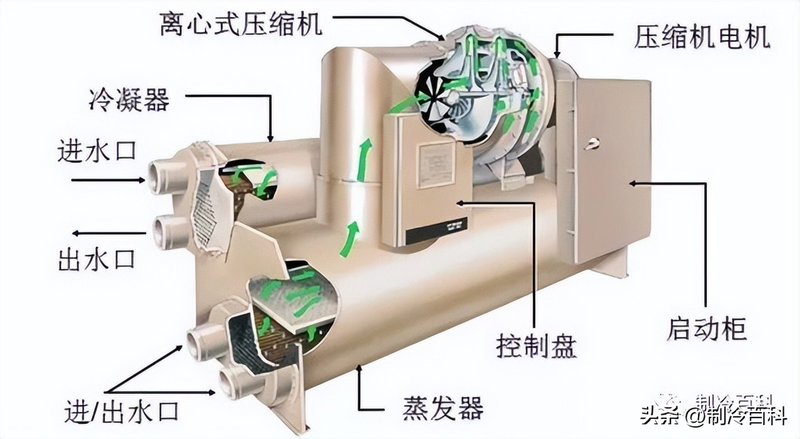
Large centrifuge central air-conditioning chiller group
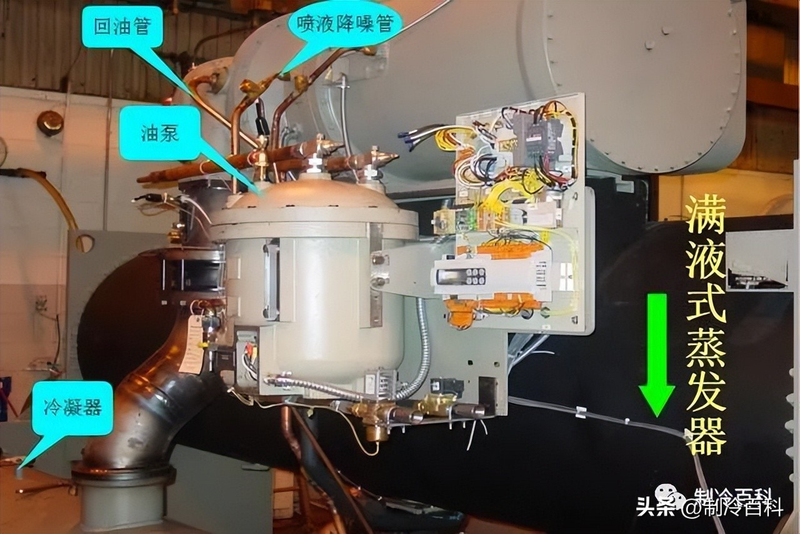
Large spiral-based central air-conditioning chillers
Turing centrifugal cold water unit
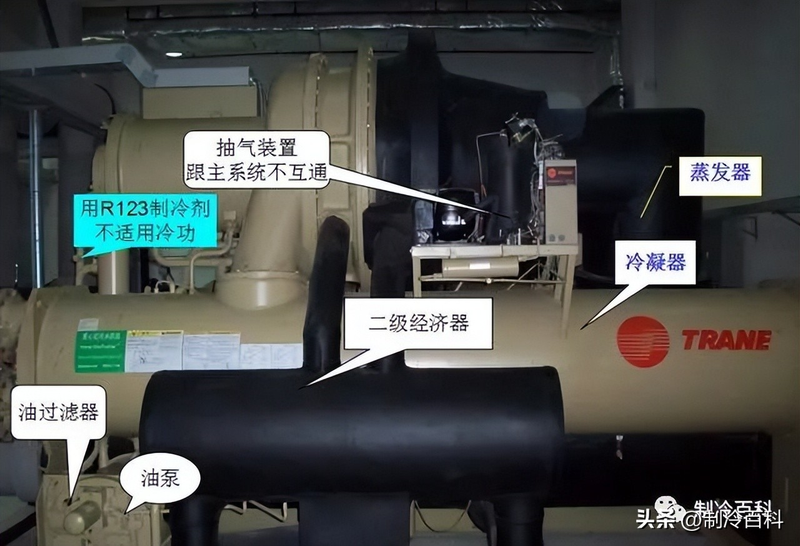
Turing spiral cold water unit
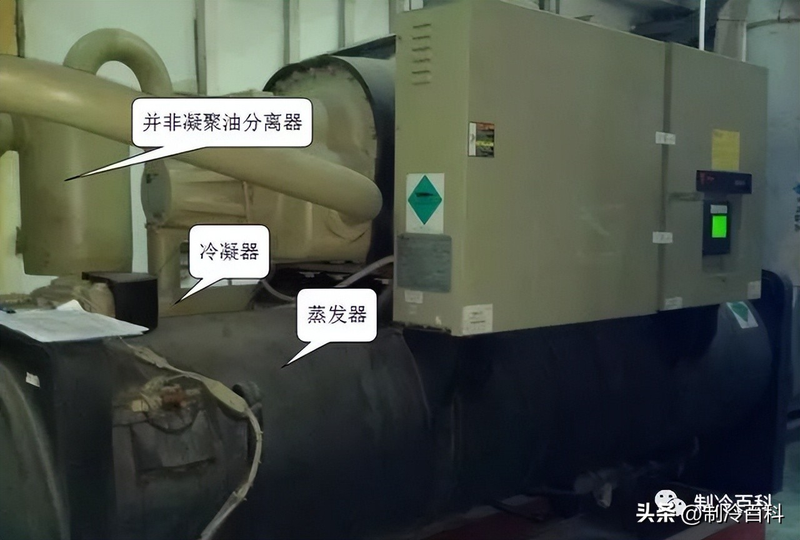
Cyclops
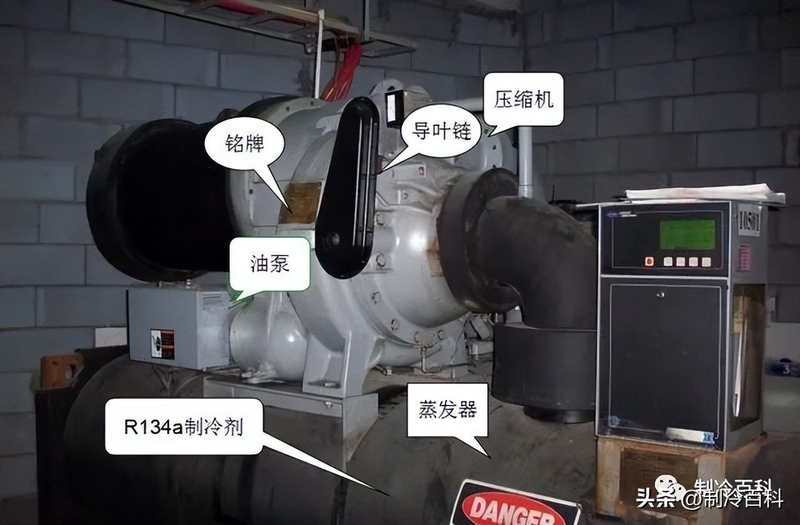
Scramble cold water unit
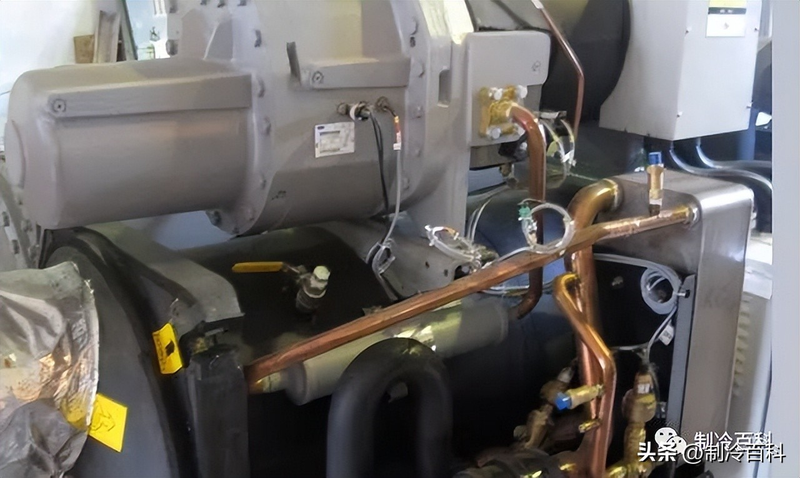
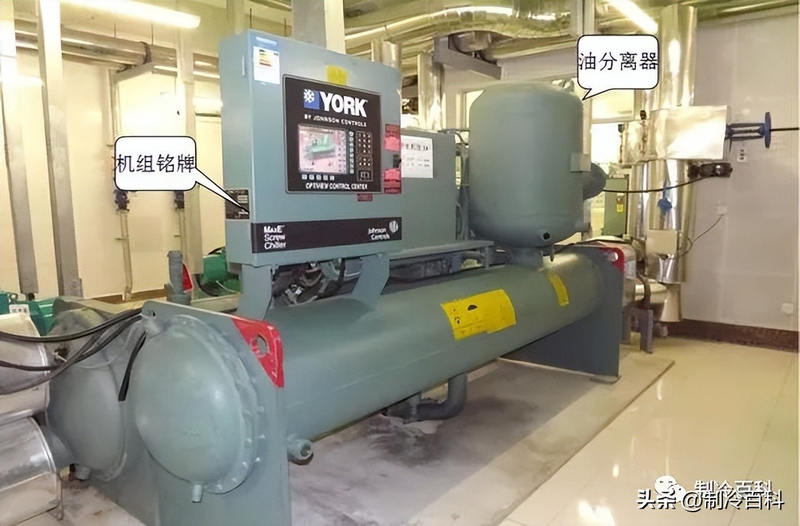
York centrifugal coldwater unit
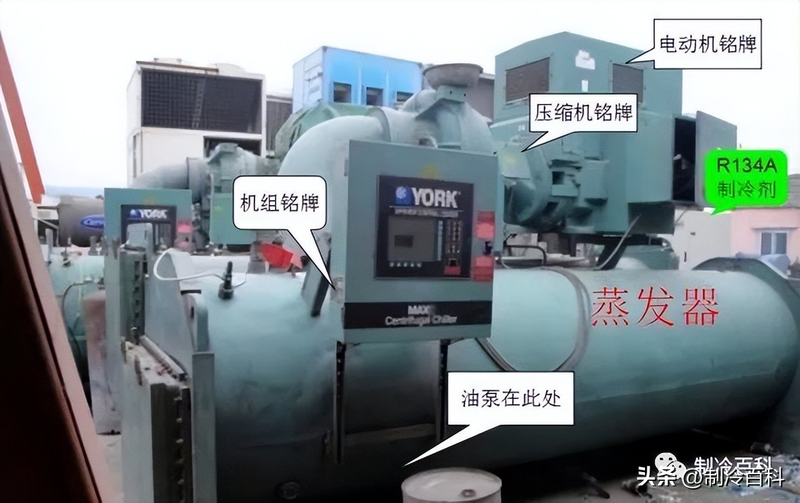
York centrifugal coldwater unit
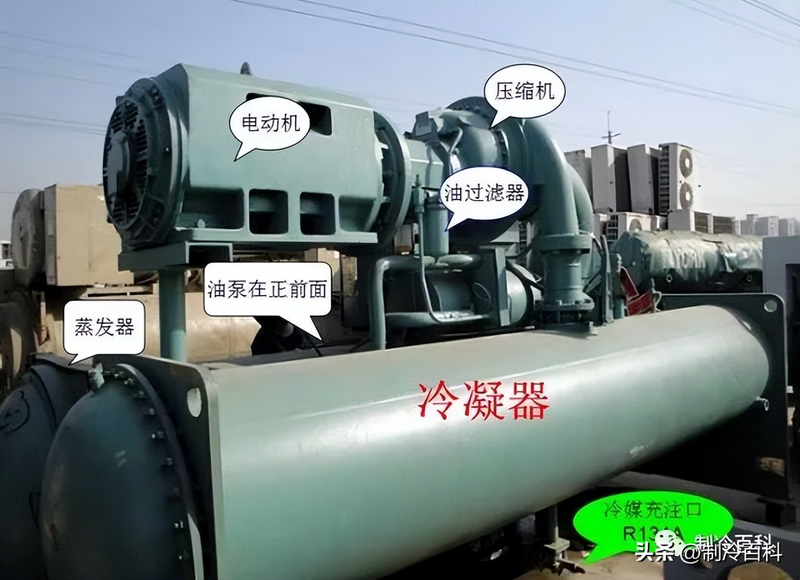
York screwrs
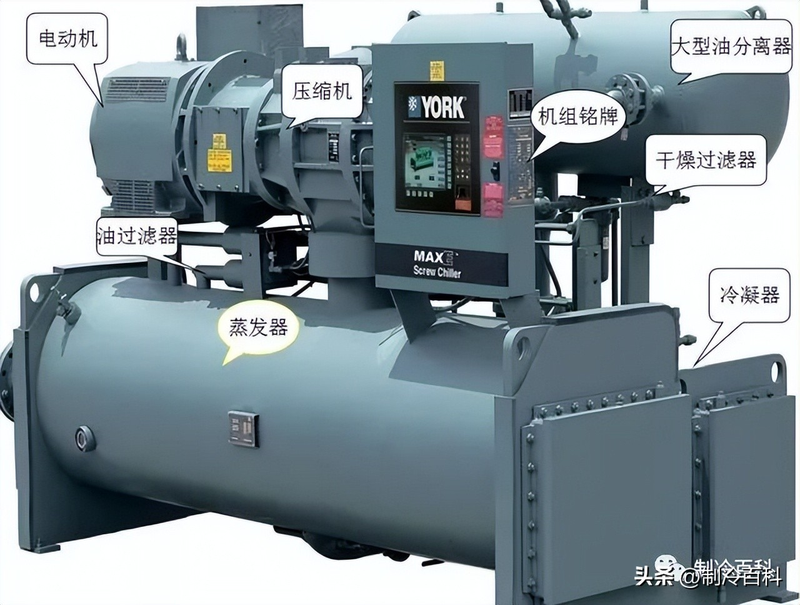
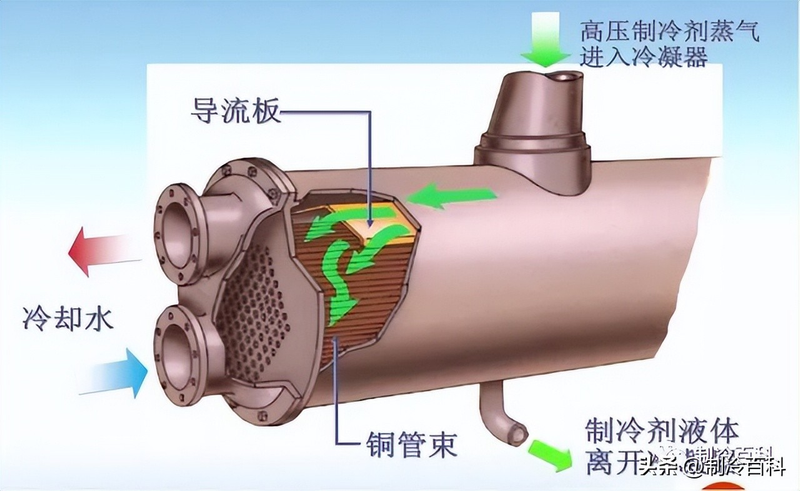
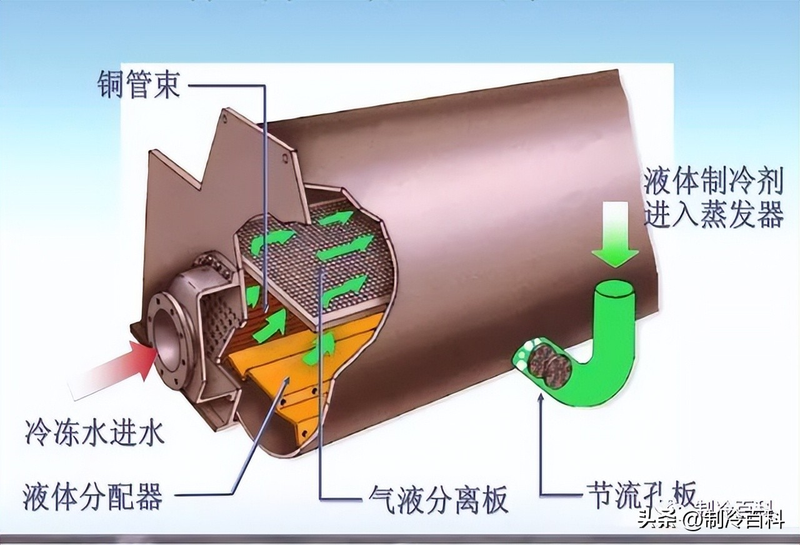
Classification and characteristics of shells
In centrifugal and screwdriver chillers, the evaporation/condenser model is mainly full of liquid and dry, so how
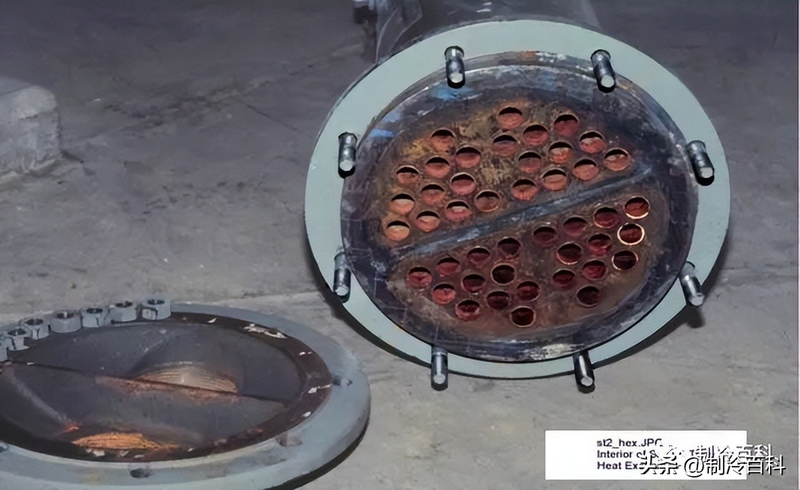
Dry shell tube characteristics:
Refrigerants flow in copper tubes, 2. With an expansion valve and a dry filter。
Cold power products work well。
Resilient oil is stable, there's little resistance on the side of the refrigerant, and the refrigerant charge is only 1/2-1/3 full liquid
However, thermal conversion is not good enough for liquids and only for small and medium equipment。
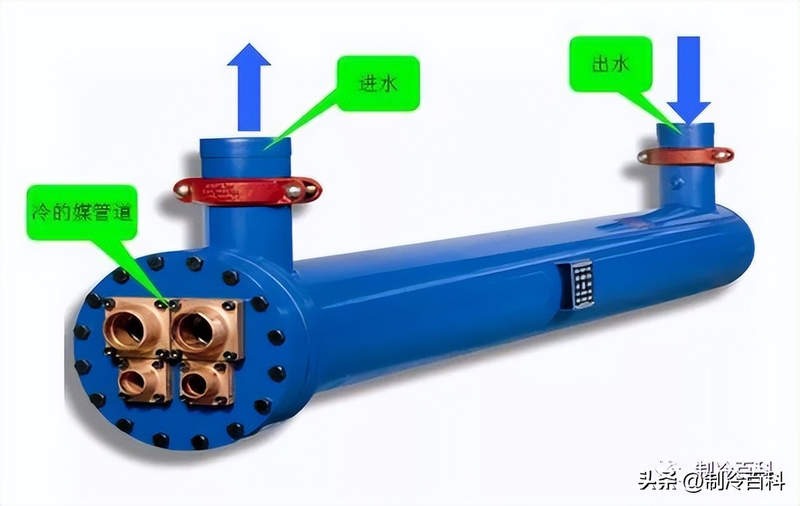
Liquid shell tube characteristics:
The water flows inside the copper pipe, the refrigerant moves outside the copper pipe; there is a conservatory device, which does not expand the valve。
Cold power is better than dry。
Its strengths and weaknesses are the opposite of dry. Most large- and medium-sized equipment is now fully liquid because it has a better wide-scale heat exchange than dry。
Liquefied condensers