I'm here again! Don't hate me! Everyone is working! Today's novel is here to deliver on my promise, speaking of the merits of digital audio stations. In fact, there are a lot of good things about digital audio stations, and i can't finish a single article today, and the author's own limited capacity requires everyone to sum up and learn. If you know more about digital audio workstations, you will definitely leave a message to the mini-authors on the changchun sound studio site. We'll make progress together
Advantages of using digital audio workstations:
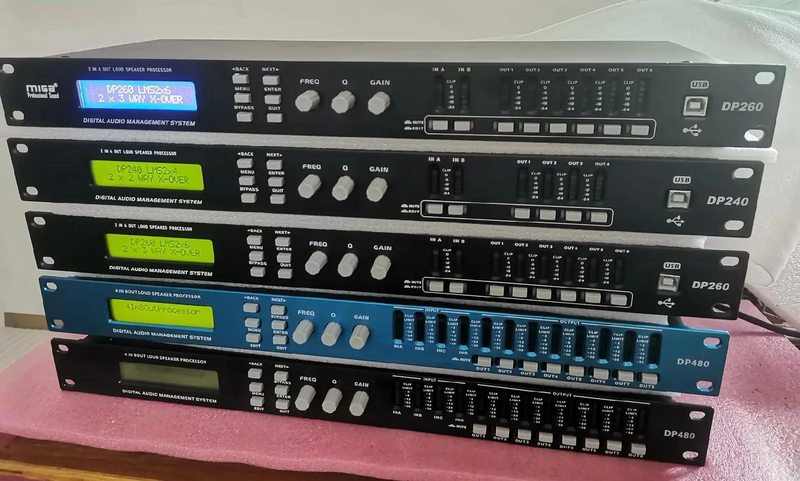
(1) the ability to process relatively long sample files is useful *. The time of recording on the hard drive is limited by the size of the hard drive itself. This is specified in detail by the fact that the usual 44. 1 khz sampling frequency and a one-minute stereo signal at 16 bit accuracy requires 10. 5 mb hard disk storage. It is important that you keep this in mind when you use digital audio stations for recording。
(2) digital audio work is also an advantage for random storage editors. It's easy for us to record and play. Because we may be recording signals on hard drives, and any one of the nodes in the middle of the programme can be played and accessed at any time, in whatever order they are played or recorded. To allow a signal segment to be placed in any order of the programme without prejudice to the fact that the editor does not change or affect the original recorded document. Once the editing is over, these clips are replayed consecutively to produce a play, or replayed individually at a specified smpte time code address。
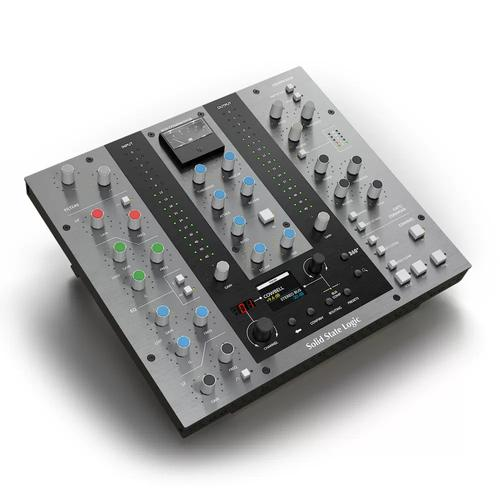
(3) the use of digital audio workstations allows a signal to be processed either in a broken or in a whole sample file, in real or non-real time, without any damage to the signal. This is the advantage of using digital audio workstations。
In addition to the above, the use of computer-based digital audio equipment allows for the integration of some work related to digital video, audio and midi production。
Audio processing workstations are primarily used for recording, editing, processing and indentation of sound signals. But there are a lot to be broken down, not that simple. Just say the virtues are our purpose today, but not our end-of-the-life goal, and we would like to know more about how and where the use of digital audio workstations can be applied. Tomorrow, the editor will share with you some questions about what to use for digital audio workstations。
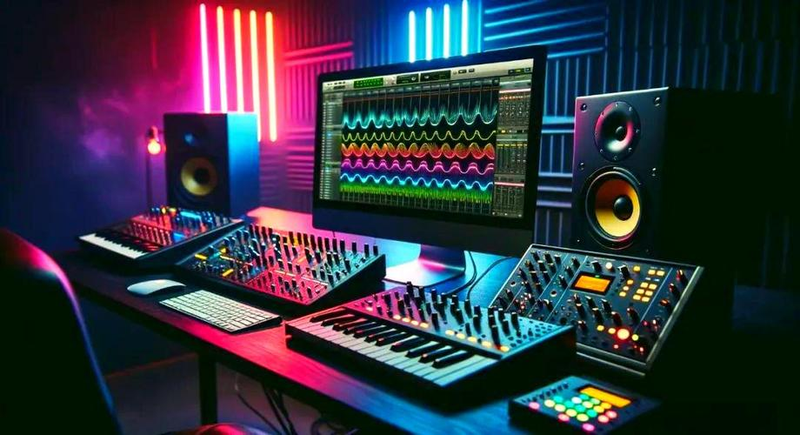
It's really a big business. It is not a simple definition that makes it clear that if we want to better understand the business of recording, where we can better achieve the values we want, then we need to keep trying and refuelling, and it takes time to learn more. More knowledge of sound recordings is well used in the recording industry. Growing up in practice, and then more and more successful recordings, fulfilling our dreams and their own values in the recording industry, is our goal。
Wang moon, from digital audio workstation