According to gansu, market volatility has increased dramatically in recent periods when international gold and silver prices have taken on a “truck-over” pattern after a new historical high. The analysis indicates that the expected shift in global liquidity, changes in the fed's personnel and the high concentration of speculative positions have combined to cause a significant price shock for precious metals (881169), marking a change in the investment logic underpinning prices in the preceding period。
Market shock: a roller coaster at silver and gold prices

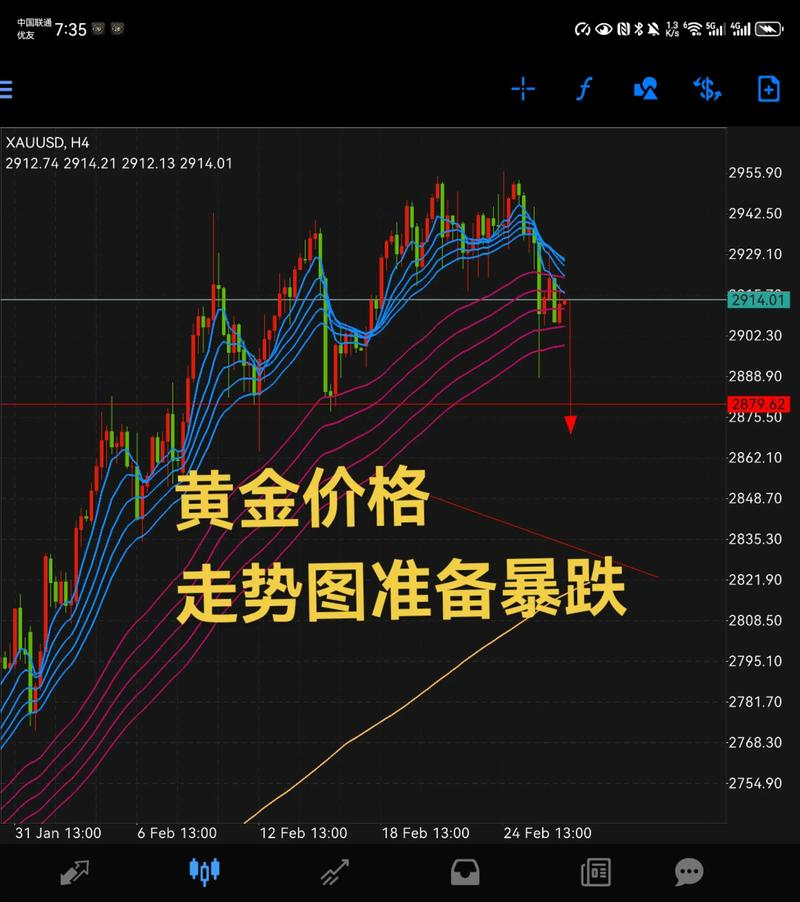
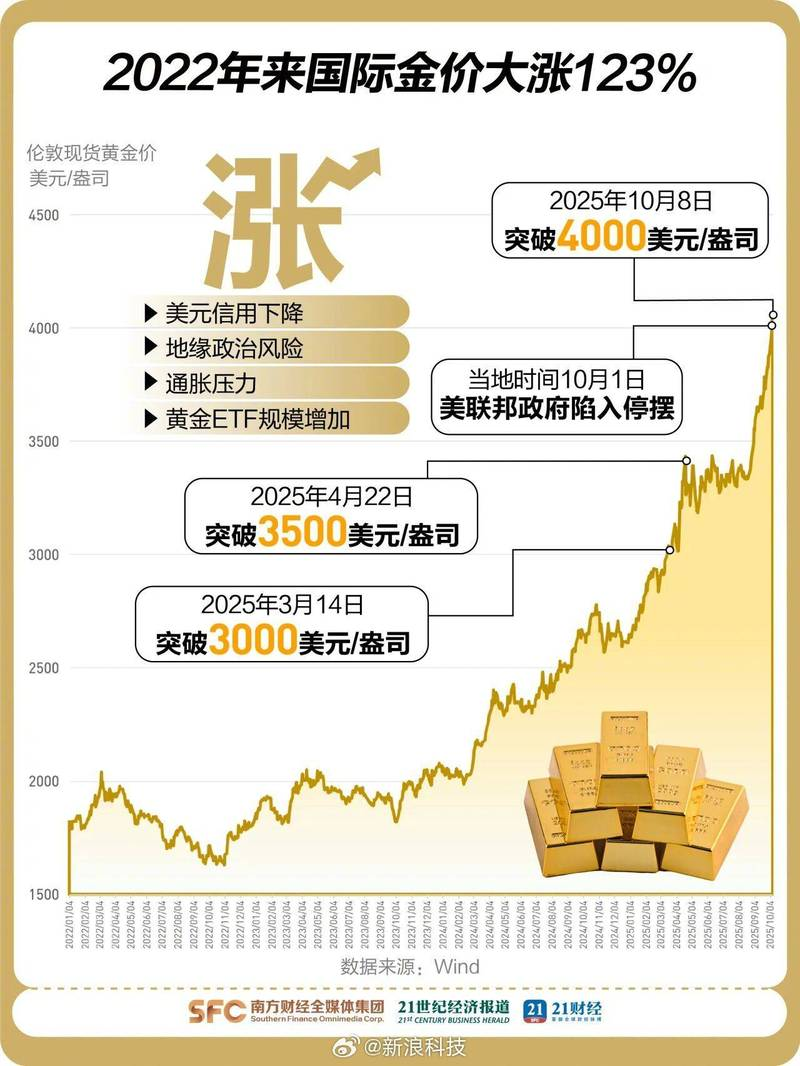
On 29 january, the price of international gold and silver fell sharply after its historic highs, while the price of gold futures on the new york commodity exchange fell by nearly 7 per cent in 28 minutes and the price of silver fell by 11 per cent. On 30 january, the largest drop in the cash flashboard since 1980 was recorded. On 2 february, the price of gold and silver jumped again, resulting in a sharp drop of over 14 per cent in cash and over 9 per cent in the gold plate. Compared with the historical highs of 29 january, the cumulative decline in silver prices has reached 40 per cent and in gold prices about 20 per cent. Traders pointed out that price drops of critical technology support triggers automatic stoppages and increases market sales. According to the analysis by the slag charter bank, the collapse was triggered by liquidity squeezes and the overcrowding of the market position led to a reversal of the trend and to the formation of large-scale silos。
Funding exits: structural adjustment of international institutions
Underlying the price volatility is the structural adjustment of international institutions ' funds. The data show that, by the end of january, there was a clear mismatch between the new york commodity exchange's banked inventory and the unsettled contract, after supply-demand bias was expected to drive up the price, but after prices hit high points, some of the large institutions exited to break the balance. Data from the united states commodity futures trading commission show that major international commercial banks have significantly reduced their net holdings before and after volatility. Institutional investors chose to be safe when macro-logical changes took place, and goldman sachs (gs) noted that hedge funds had begun to run multiple positions before the collapse and that diaspora investors were often forced to provide liquidity. The recent one-day forced levelling of the silver derivatives market amounts to hundreds of millions of dollars, and institutional funds are being withdrawn from high-risk fluctuations to observe macro-policy orientation。
Repricing: the investment logic shift to defoaming
The anticipated change in the market vis-À-vis the united states dollar is another major cause of the shock. On 30 january, the president of the united states, trump, nominated kevin walsh, a former member of the federal reserve fund, as the next chairman of the federal reserve, and investors generally expected an appreciation of the united states dollar as a result of his strong emphasis on the dollar, which would put pressure on gold and silver prices. Following the announcement of the nomination, the united states dollar index rebounded, the return on united states debt rose over a 10-year period, investors began to re-pricing the risk of liquidity contraction and funds went from precious metals (881169) to united states debt. The consulting firm, roland berg, warned that the silver market was not as deep as gold and was susceptible to liquidation when liquidity was tightened. According to the deutsche bank (db), the market for precious metals (881169) is experiencing defoaming, with the driving force shifting from mood-driven to macro-data-driven. According to the world gold association, short-term fluctuations can help curb excessive speculation and future market trends will depend on global real interest rates and central bank acquisitions。