Blue whale news 4 february international gold and silver prices rebounded from the “v” after successive setbacks。
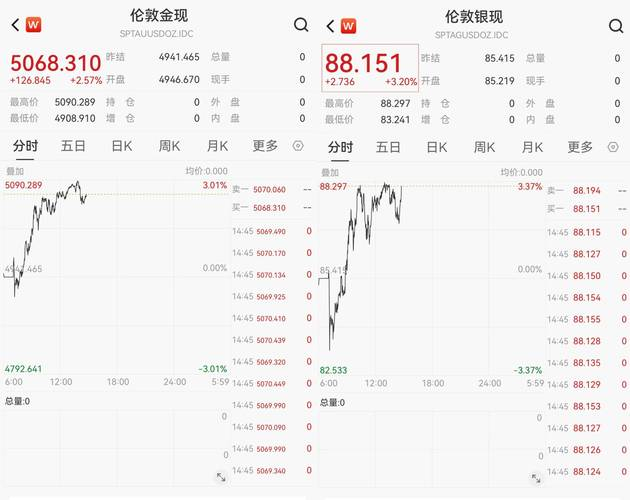
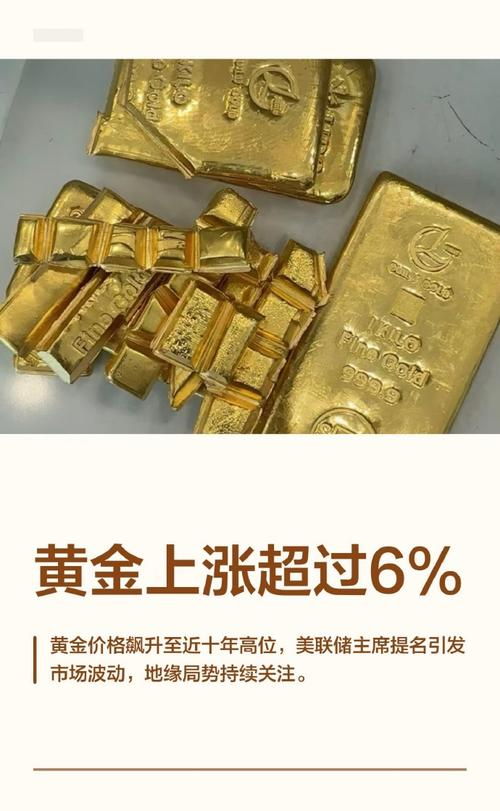
Following the collapse of the “historic class” in the previous few days, driven by a combination of the rise in market evasive sentiment and the weakening of the united states dollar, international gold and silver prices have recently rebounded significantly. On 3 february, the gold price, which was the largest single-day increase since 2009, rose by nearly $300 a day, or more than 6 per cent, and then went further in the overnight trade, returning to the 5,000-ounce level, with the silver being strong, with $80 per ounce。
As at the time of the submission, the amount of spot gold had risen to $5068. 31 per ounce, an increase of 2. 57 per cent; the amount of spot silver had risen to $881. 51 per ounce, an increase of 3. 20 per cent。
On the domestic front, precious metal futures rebounded strongly, with most of the disks rising. Of these, silver and gold rose by 7 per cent, gold by 6 per cent, basic metals by most and tin by 3. 91 per cent. The movement of the precious metal concept unit was “high and low”, and sichuan gold (001337. Sz) was on the verge of falling, with gold (000506. Sz), gold from the centre (600489. Sh) and gold from the west (601069. Sh) falling by over 5 per cent。
It is a matter of concern that extreme events have also given rise to extreme trading sentiment. On 29 january, international gold and silver prices collapsed after standing at historic heights, culminating in a fall in epic prices until yesterday. In just a few days, the mood of investors fell as if it were a roller coaster。
According to journalists, on community platforms, the mood of investors is very high: “icu yesterday, ktv today, is also on the rise”: “it's hard to see gold rising on monday, tuesday, and it's hard to see whether it's going to hold or wait on wednesday”: “it's too brutal for me to catch up with the two previous trading days。
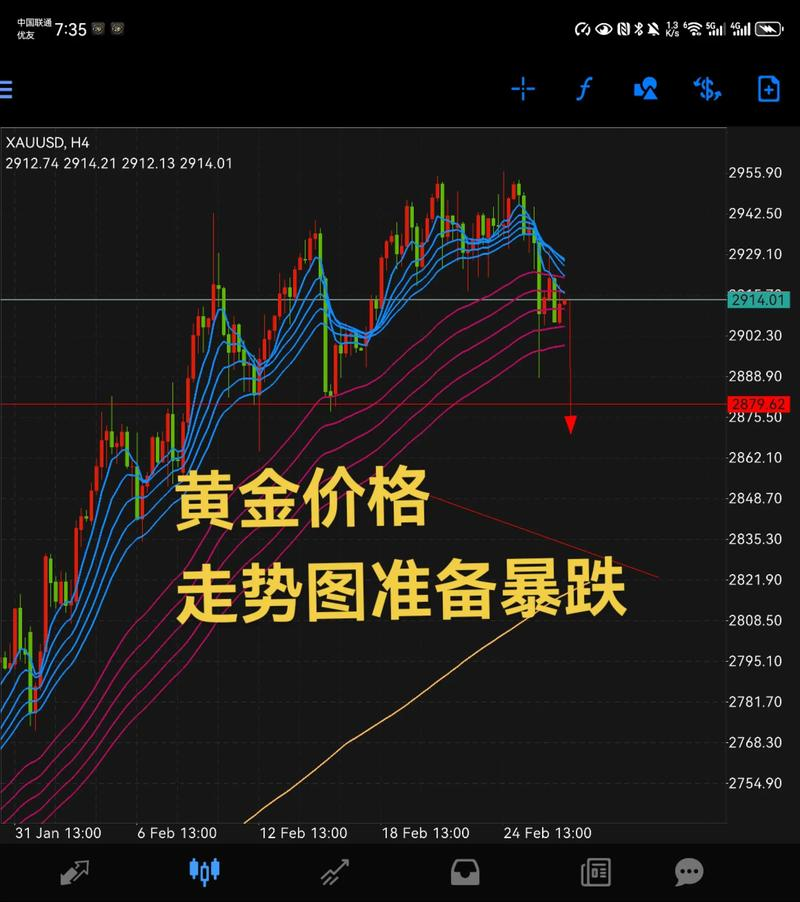
Faced with the extremes of the fall from gold to the boom, many investors believe that the recent market has become more difficult to operate, balancing risks and opportunities。
On the one hand, the market’s expectations of the fed’s interest rate reduction have continued to strengthen, and the dollar index has continued to weaken to a low level in recent years, supporting the price of precious metals; on the other hand, the global geo-situation situation has become more tight and has increased the risk and distribution value of precious metals. The combination of silver and finance and industry, particularly in the context of the continuing expansion of demand for new and emerging industries, such as photovoltaics and artificial intelligence, has helped to tighten the supply and demand structure to boost monetary prices。
Many international agencies have analysed the rebound in gold and silver prices as indicating that the previous sharp reversal did not mean a reversal of market fundamentals. The trend towards continued diversification of central bank purchases and private sector asset allocation has not changed, providing long-term structural support for gold prices. For its part, the bank benefits from continued growth in demand in the industrial sector。
According to the latest study released by goldman sachs, the december 2026 gold price forecast was revised upwards to $5,400 per ounce (previously $4,900 per ounce), judging primarily as a assumption that private sector investors would diversify their allocation to hedge global policy risks and that they would not sell their gold holdout in 2026, thereby effectively raising the starting point for price forecasting。
South china futures indicate that the precious metals market is still in a volatile pattern and that short-term recall can be considered an opportunity for layout。
However, industry has also warned that the recent backlash in gold prices has been driven to some extent by technical over-downs and speculative purchases, and that its continued growth in kinetic energy remains to be observed. Traditionally, gold is used to protect against market risks, but the current price volatility of gold presents some degree of characteristics similar to those of risky assets, reflecting the continuing uncertainty of the market environment. For investors, particular emphasis needs to be placed on risk management, a rational view of short-term market volatility, greater control over long-term trends and avoidance of blind highs。