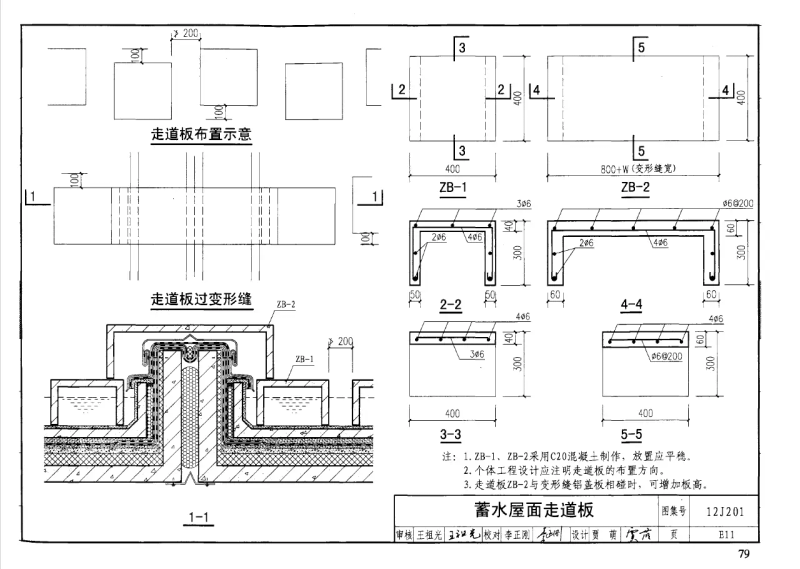
A flat-bed building is a roof structure whose slope is generally less than 5 per cent (2°54"), so that the floor is not entirely flat, but rather has a certain slope to remove water from the house area. The relatively simple structure of flat floors and the flatting of roofs in the rooms has made it possible to adapt to a variety of complex building plane shapes, which has increased the level of pre-fabricated assembly, facilitated construction, saved space and facilitated the treatment of structures that are waterproof, drained, warm and insulated。
Owing to the small slopes on the flat floor and the likely slow drainage, this increases the availability of water in the area of the house and makes it vulnerable to leakage. In order to avoid this situation, flats must be protected with completely closed materials. The flat floors typically consist of the main parts of the layer, the structure layer, thermal insulation layer and the roof, and may also include the protective layer, the integration layer, the formation layer, the gas layer, etc. Depending on the area and roof function, there may be a difference in the composition of the house。
From aesthetic points of view, tilted roofs are often considered more successful, but this also depends on the overall configuration of the house. In fact, with constant renewal, flat roof structures, which combine new elements, can also be uniquely designed and repopulated。
In terms of construction, flattops are simpler and less expensive than ramps. Material preparation consists mainly of house waterproofing materials, temperature-preserving materials, insulation materials, protective layer materials, etc. The construction process includes the construction of the water layer, the insulation layer, the protective layer, the installation of equipment and the receiving and closing steps。
In general, flat-bed buildings have unique advantages in terms of structure, construction, beauty, etc., and therefore have extensive applications in the construction field。