The mastery of theoretical knowledge is greatly facilitated by a simulation examination of driving licence issues. First, it enables participants to familiarize themselves with the subject matter, rhythm, environment and format of the examination and the distribution of the subject matter and points. Through repeated exercises, participants are able to identify their weaknesses and thus conduct a targeted review。

Second, the simulation test also allows participants to adapt to the test pressure, learn from the errors, improve the speed and accuracy of the questions and increase the examination experience. It can be said that a simulation examination is a strong assistant with theoretical knowledge and can provide a solid foundation for a formal examination。
The role of simulation examinations in familiarizing themselves with the examinations cannot be underestimated. Through many simulations, participants are able to understand clearly the characteristics of each type of subject, such as which, in the examination of subject one, are pure words of traffic regulations, which are graphics combined with actual scenes, and their respective scores. As a result, the time allocated for answering questions is reasonably distributed at the time of the official examination, so that there is no confusion。
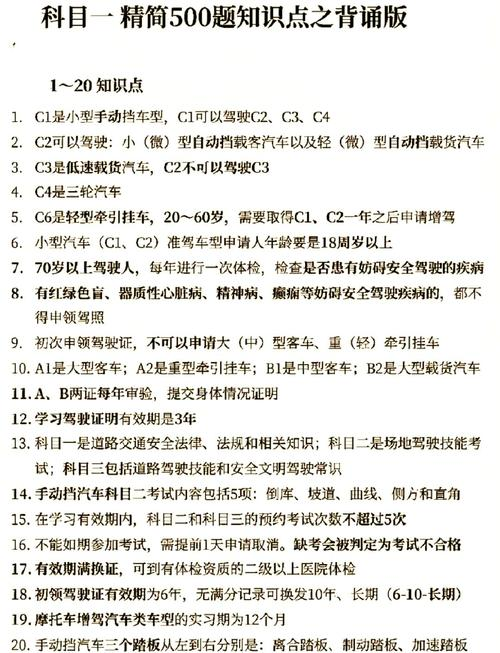
The consolidation of knowledge is also an important function of simulation examinations. Each response was a review and strengthening of theoretical knowledge, especially lessons learned from erroneous questions, which allowed participants to understand more deeply, inter alia, the rules of the road. For example, by mischaracterizing, participants would understand how to drive properly in certain special road situations, which could be easily ignored in their daily studies, but which would be printed deep in their minds through the “knocking” of a simulation。
The selection of an appropriate mock examination platform is essential. The questions provided by an officially mandated or credible platform are comprehensive and realistic and bring them as close as possible to the real examination scene. Modelling in such an environment would effectively enhance participants ' ability to test。
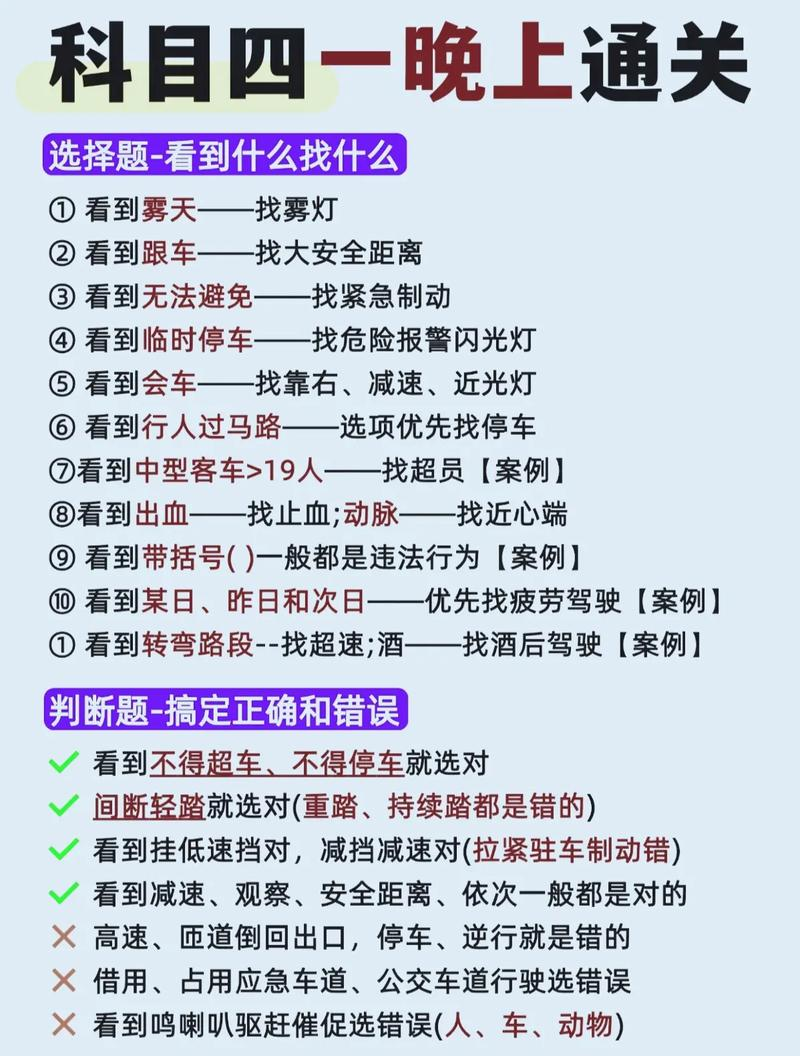
After the examination, careful analysis of errors is a key opportunity to improve theoretical knowledge. The analysis of the reasons for this is based on the knowledge base, which can be reviewed in a more focused manner, thus improving theoretical literacy. In short, the driver's licence test simulation is an integral part of the theoretical learning process. It acquires theoretical knowledge from students with multiple dimensions and, while it is not a complete substitute for real driving practices, it can provide candidates with a sufficient base for formal examinations, allow them to respond more confidently and readily to the examinations and provide a good theoretical basis for future driving careers。