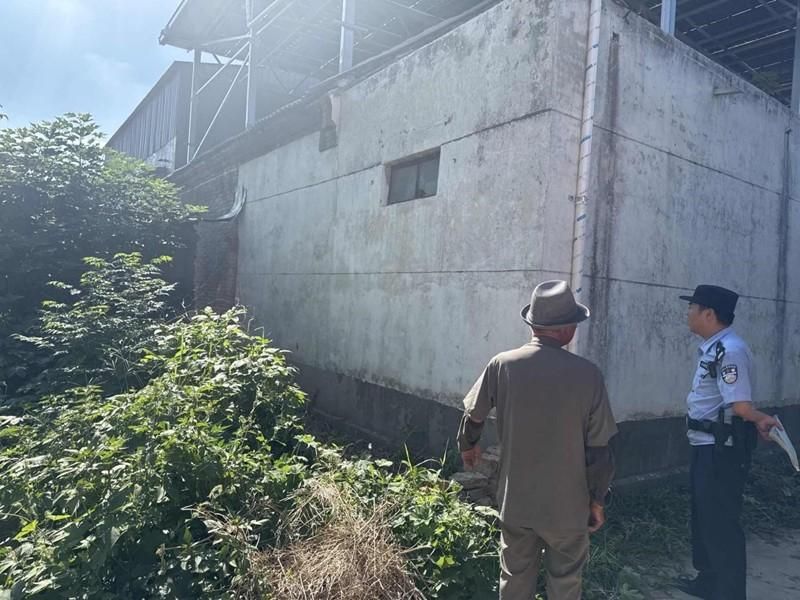
In schools, energy conservation is not only a concept but also a practical action that can be integrated into everyday teaching. Through a series of upgradings, many schools are achieving energy-saving “big transformations” that filter into the daily learning and life of teachers and students a sense of resource conservation and environmental protection. This shift is reflected not only in the upgrading of hardware facilities, but also in the remodelling of teaching methods and school culture。
I. Smart adaptation of lighting systems
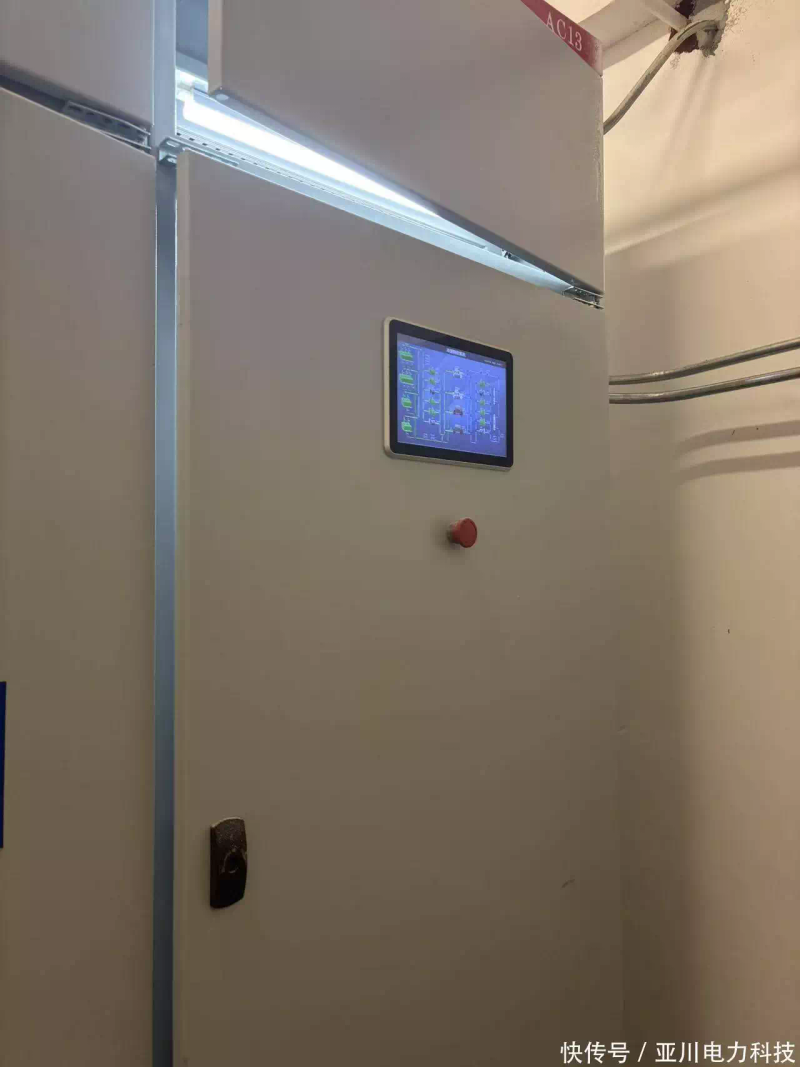
Lighting is an important component of school energy consumption. Traditional fluorescent or incandescent lamps are not only energy-intensive but also have a short lifespan. Many schools have introduced led lamps as alternatives. Led lamps are characterized by low energy consumption and long life, with electricity consumption reduced by about 30 to 50 per cent compared to traditional lamps at the same brightness. In addition, smart control systems are introduced into lighting management. For example, through the installation of sensors, lamps can be automatically turned off when there is no one or the dimness of natural light is sufficient. These changes not only reduce electricity consumption, but also give students a visual sense of the applications of technology in energy conservation。
In teaching, teachers can organize student participation in data collection and analysis in conjunction with lighting rehabilitation projects. For example, students can calculate energy efficiency effects by comparing pre- and post-modification electricity bills and assess the return on investment in rmb units. Such activities translate abstract concepts of energy conservation into specific mathematical issues and enhance the practical capabilities of students。
Ii. Optimizing the upgrading of heating and refrigeration systems
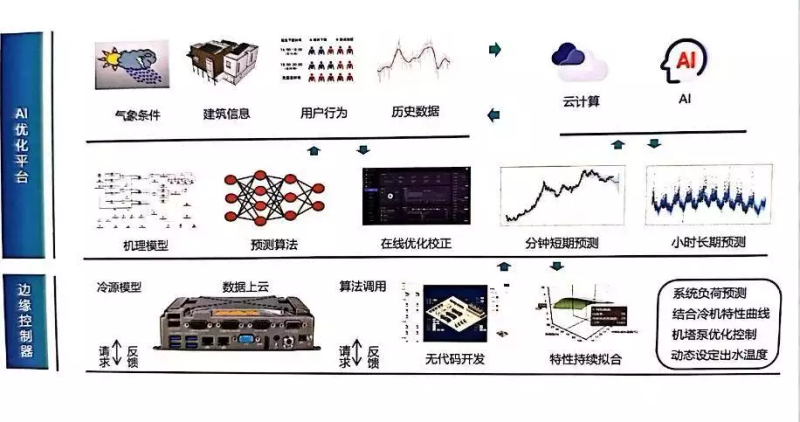
Heating and refrigeration are another major source of energy consumption on campus. Old equipment is often inefficient, leading to waste of energy. Schools can significantly improve energy efficiency by replacing high-efficiency heat pumps or introducing ground-based heat pump systems. Ground-based heat pumps, which utilize relatively stable underground temperatures and cool winters and summers, are about 20 to 30 per cent more energy efficient than traditional systems. At the same time, enhanced building temperature protection measures, such as the installation of double glass windows or additional wall insulation, could reduce heat losses and further reduce energy consumption。

Solid hard drive price jumps! 64 g-4 tb all have it. Now is the right time
In daily teaching, teachers can direct students to study heat transfer principles or energy conversion efficiency. For example, the temperature retention of different materials is measured by simple experiments or the operating costs of different heating systems are calculated. These are closely related to physics and engineering disciplines, making energy conservation knowledge part of the curriculum。
Integrated measures for water resources management
Water conservation is an important aspect of energy conservation in schools. Schools can reduce water use by installing low-flow taps and water-saving flush toilets. Rainwater harvesting systems are another effective initiative that can be used to irrigate green land on campuses or wash toilets to reduce the use of running water. In addition, repairing leak networks can avoid unnecessary waste。
In teaching, water resources management can be an interdisciplinary project. Students can learn about the water cycle, measure water use on campus and design water conservation programmes. For example, the capacity of rainwater harvesting systems is calculated, their water conservation potential is assessed and costs and benefits are estimated at rmb. Such projects build students ' capacity for systematic thinking and problem solving。

The new tv receiver is on the market, starting your high-resolution intelligence life
Integrated applications of renewable energy
Solar energy is the most common form of renewable energy on campus. The installation of solar panels can provide schools with some electricity and reduce dependence on traditional grids. Some schools are also experimenting with small wind power generation equipment as a supplementary source of energy. These systems not only reduce energy costs but also provide a platform for students to learn about renewable energy technologies。
In the curriculum, teachers can explain how solar cells work or organize students to design simple solar devices. By monitoring data on electricity generation, students can analyse the impact of weather on energy production and discuss the advantages and disadvantages of renewable energy. This practical learning makes abstract scientific concepts vividly concrete。
Development of behavioural habits and school culture
The success of energy-saving rehabilitation cannot be combined with the behaviour of teachers and students. Schools can promote awareness of energy efficiency among teachers and students through energy efficiency campaigns such as thematic classes or poster design competitions. Establish a class energy-consumption rating system that encourages students to turn off non-used appliances or to use air conditioners rationally to create savings habits。
In teaching, teachers can integrate energy conservation concepts into ethics and the rule of law or integrated practice curricula. For example, discussion of the importance of resource scarcity and sustainable development, or modelling of the design and implementation of household energy conservation programmes. Through these activities, students not only learn knowledge but also internalize environmental values。
Integration of curriculum and teaching resources
Energy-saving education should not be confined to specific subjects, but should permeate multidisciplinary teaching. In science classes, students can learn about energy types and conversions; in mathematics classes, calculate energy-saving data; and in language classes, write books on energy-saving initiatives. This integration makes the concept of energy conservation a natural component of daily teaching。
In addition, schools can use school improvement cases as teaching resources. For example, in engineering or technology courses, the design rationale for solar systems is analysed; in economics, the return on investment in energy-saving projects is assessed. These real cases increase the relevance and taste of learning。
Continuing monitoring and improvement mechanisms
Energy conservation is a continuous process. Schools should establish energy monitoring systems to regularly collect data on consumption of water, electricity, gas, etc., and analyse trends. By comparing pre- and post-retrofit data, the effectiveness of the measures is assessed and strategies adjusted accordingly. Students can participate in the recording and analysis of data and develop scientific research capabilities。
In teaching, teachers can direct students to design monitoring programmes or use simple tools to conduct energy consumption audits. For example, daily electricity consumption in classrooms is recorded or energy waste in schools is investigated. Such activities foster a sense of observation and responsibility among students。
Summary
The “big transformation” of campus energy efficiency is not only a process of upgrading energy efficiency through technological adaptation, but also of deeply integrating energy conservation concepts into daily teaching. Each measure, from lighting, heating to water resource management, from renewable energy applications to behavioural development, offers students the opportunity to learn and practice. Through interdisciplinary integration and continuous improvement, schools can create a resource-efficient, environment-friendly educational environment in which energy conservation becomes a natural living attitude for teachers and students. Such a shift would not only reduce operating costs, but also foster a generation of environmentally responsible citizens and lay the foundations for sustainable development。