I'm going to go to stoneport, nantung city
Yu jung-hyun
The town of stoneport, located in the northern part of tongzhou, nantung city, jiangsu province, has an average annual temperature of 16. 6 °c and is suitable for the cultivation of walnuts. In recent years, market-led walnut cultivation in stoneport has grown on an initial scale, the sale of products covering fresh industries and food processing enterprises, and the adoption of a pattern of order-based production through commercial over-connection have generated resources such as that of the surrounding labour force。
In order to further improve the quality of the walnuts in stoneport and enhance their market competitiveness, the town of stoneport introduced it in 2013 and, after many years of planting, achieved significant planting benefits. In order to promote the further expansion of the “breathing walnuts” in the town of stoneport, the authors present below for the information of local growers a summary of the “breathing cultivation and harvesting storage techniques”。
1. Varieties characteristics
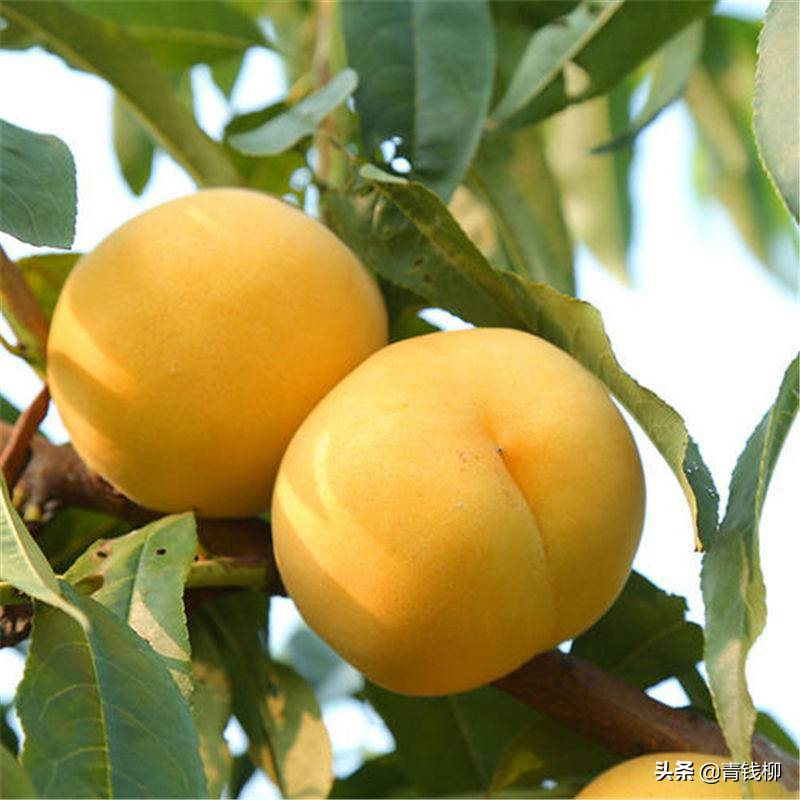
“choose walnuts” are the late-cooked varieties of fresh food and processing equipment developed by the institute of horticultural facilities of the shanghai academy of agricultural sciences, with characteristics such as beauty of fruit, fragrance of fruit, fragrance of fruit, high yield and easy storage, with an average of about 180 g per fruit (maximum of about 700 g), with a production of 1,500 to 2,300 kg per 667 m 2, with a sugar content of about 16°, sweetness of fruit when it matures eight times, and juicy sauce when it matures。
2 points for inducing planting techniques
2. 1 sapling selection and transport
Preference is given to one-year-old, well-established, infested and infested plume seedlings for planting, which can be reduced by one year from the seedling planting period, by two years in form and can be achieved in the second year after planting in stoneport。
The transport of trees must be carried out on an on-going, on-a-carrying basis; straw should be laid in the transport compartment and stored in an orderly manner, and straw curtains should be covered when the transport is far away in order to keep the water wet, warm and prevent the loss of water。
2. 2 building and planting
Specifically: (1) site selection. Parks are selected for areas with high terrain, good drainage, high soil organic content, and phs of 4. 5 to 7. 5, avoiding the construction of plantations in newly cut peach gardens, so as not to affect the growth of peach trees. In the case of forested plots of leased land, attention should also be paid to the problems of light and ventilation following the cultivation of walnuts. (2) land as a whole. First, weeding, wedging, and then a tractor with power greater than 55. 16 kw tilling 20-30 cm deep. Combined tillage, 2,000 kg per 667 m2 of manure or chicken dung. After the tillage, several drains of 60 cm x 80 cm are dug according to the terrain to ensure that the rainy season park is able to drain and dry at speed. (3) cultivation. According to the weather features of stoneport, it is advisable to complete the planting by the end of december, so that the following spring is slow and has a high rate of success. The plant is usually planted at a distance of 3 m and a line distance of 4 m, about 55 plants per 667 m 2. Since the height of the seedlings is usually 60 to 70 cm, they should not be too deep, and the trees may be raised gently at 1/2 of the trees, so that the roots can stretch and the marriage interface above the surface and then be laid down and covered with the membrane in order to keep the temperature warm and wet. On the day of planting, 3 to 5 d after planting and 7 to 10 d after planting, each watered one time to ensure that the trees were alive。
2. 3 integrative shearing
2. 3. 1 year 1
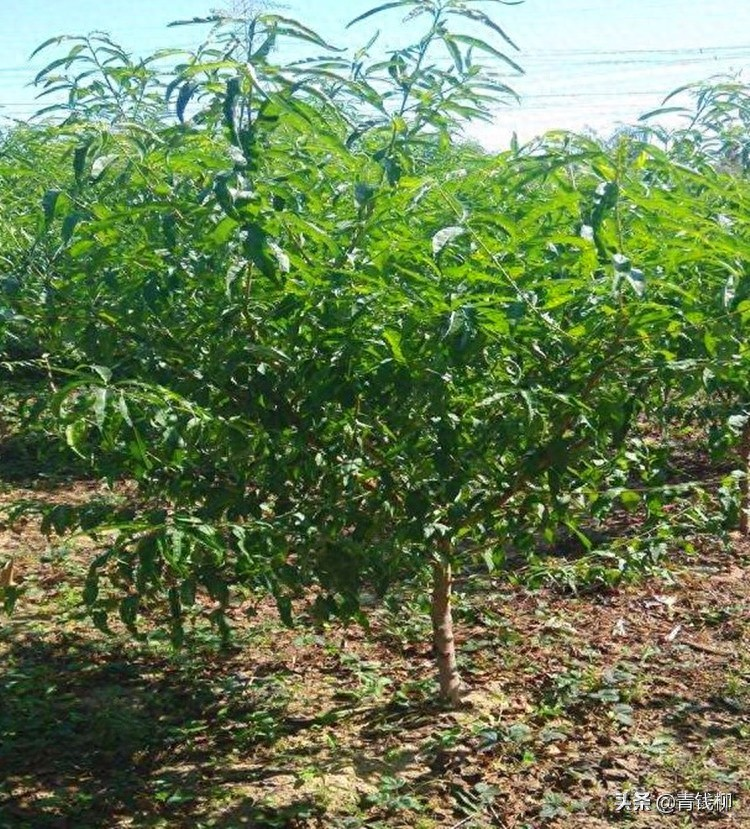
Specifically: (1) determination of tree shape. Peach is grown in the town of stoneport, with the use of happy tree shapes to facilitate the lighting and ventilation of peach trees, which in turn leads to high yields. However, if dense planting is used, hammer-shaped trees are recommended. (2) selection of the main branch. Select a new stake around 30 cm from the center of the surface, about 45° from the base corner, as the main branch of 1 and at 40 and 45 cm from the surface, each of which selects a new spot as the main branch of 2 and the third branch. Requires that the corner between the branches be around 120° and that the top of the branches be on the same plane. When selecting the main branch, special attention is paid to staggering the first branch with the second and third branches as much as possible, and to linking the second and third branches in order to effectively avoid an imbalance in the growth of the adult tree or fragmentation of the main branch. (3) cultivation branch. Depending on the direction of the tree, it is reasonably equipped with a side branch, which can be found 50 to 70 cm above the main branch base, where it is chosen to follow the branch or to fill the bud。
2. 3. 2 year 2
Specifically: (1) extension of the main branch. The main branch's freshman section leaves 50 to 60 cm, and the rest goes off. (2) select a branch of the first stage. The branch of the 1st stage is selected at approximately 50 cm above the same side of the main branch base, and the length of the branch of the 1st stage is kept at around 50 cm, bearing in mind that the branch of the 1st stage is growing in the same direction (both in the direction of a clockwise or a counterclockwise). At the same time, care is taken to cultivate the second-level branch or to retain the sprouts. (3) select the outcome branch. In accordance with the principle of “not high in the south, not low in the north, not long in madness”, well-growing branches are not chosen for the top, centre and lower parts of the tree canopy。
2. 3. 3 year 3
Specifically: (1) long branches. Appropriate retention is provided for the primary part, which is usually only half that year. (2) selection of the second branch. The branch of the first and the branch of the main branch are selected on the upper side of 40 cm or so to keep the branch of the second stage in the same direction as the branch of the second stage, provided that the branch of the second stage is in the opposite direction as the branch of the first stage。
2. 3. 4 after 3 years
Specifically: (1) choose the third branch. The third branch should be kept in the same direction as the first branch, but the length and strength of the third branch should be weaker than the second branch. (2) the main branch extends the branch cut. Each year, the main branch is cut to extend the branch in order to increase its sharpening and wavelength, thereby increasing its load. (3) timeliness. To ensure that trees are ventilated and luminous, the upper and inner chamber branches that affect ventilating light should be removed in a timely manner, the branches should be kept down, and the branches should be cut out in order to ensure a productive outcome in the coming year。
2. 4 fertilizer water management
2. 4. 1 fertilizer management
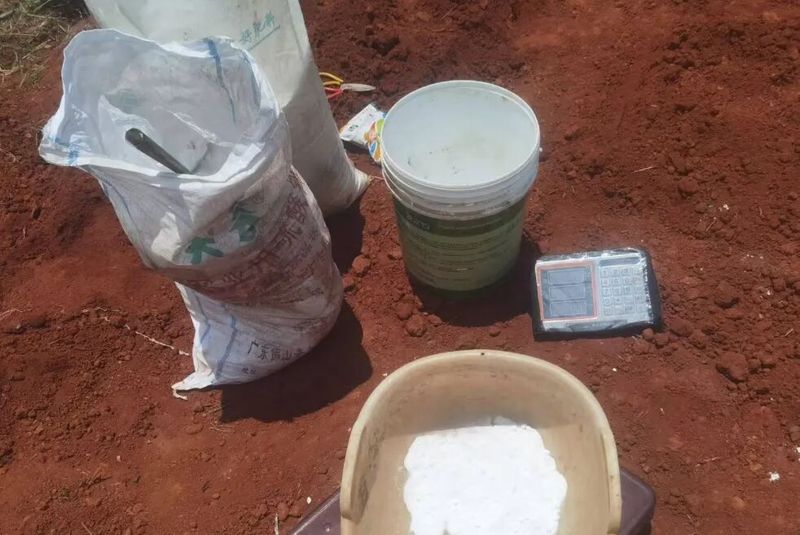
Specific fertilisation methods: (1) fertilisation of larvae. In march of each year, following the budding of peach trees, 5 kg of nitrogen fattening water at a rate of 1% per peach tree, at a distance of 20-30 d, and 1 more time, with a suitable dose of phosphorus fertilizer, will facilitate the thawing of flowers and accelerate the tree body to the end. It is noteworthy that, in order to prevent the growth of branches, the larvae should not be overfertilized. (2) adult tree fertilization. In september-november of each year, organic fertilisers were applied from 5 to 6 kg. (3) fertilisation during the first fruit period. Following annual peach blossoms, leaf noodles are sprayed to avoid secondary fallout. (4) fertilization during the fertilisation period. In the first half of may of each year, per potassium sulphate-exposed compound fertilization of 1. 0 to 1. 5 kg promotes fruit development。
It is worth noting that “creased walnuts” are grown in stoneport town and are recommended to be fertilized in circular form so that, once the tree formation takes place, it can be effectively balanced with neighbouring walnuts, thus effectively increasing fertilizer utilization. The fertilisation method is to dig a ditch 20-30 cm wide below the canopy line and then fertilize, and when fertilizer is applied not only under the ditch but also within 20 cm on both sides of the ditch; when the ground is covered, the bottom fertilizer is mixed with the dirt, then the fertilizer and the soil are dredged together from the side of the ditch, then the other side is dredged into the ditch, so that the fertilizer is distributed evenly within the ditch and evenly feed the tree。
2. 4. 2 water management
In particular, during the summer rains, peach gardens are required to clear drains early so that they are dry and water-free; “crazy walnuts” have a high demand for water during periods of expansion, which, in the event of high temperatures and drought, require timely irrigation to combat drought; and “crazy walnuts” in september, in successive dry weather, need to be watered in a timely manner in order to promote the separation of buds and ensure normal flowering, high seating rates and stable yields the following year。
2. 5 the final outcome of the berries
There are too many hyenas that are prone to biological fallout, and it is therefore desirable that, after the flowering of the peach tree, it be done in a timely manner and that the deformations, nuts, etc. Be removed. Generally, before 25 may each year (before the hard core period), the whole garden ends the aberration, preventing it from causing nutritional consumption too late, thereby affecting new growth。
At the same time, the fruit of the tree is to be determined according to its orientation, and the fruit of the tree is to be removed from the base of the result, only the fruit of the upper part of the result branch is to be preserved, and the long branch usually leaves two to three fruit, medium branch one to two fruit, short branch one fruit。
2. 6 pest management
2. 6. 1 biological control
Each year from april to may, more than 2,500 aphids were released to fight aphids in each 667 m2 and from may to june, 30,000 aphids were released to combat aphids。
2. 6. 2 physical control
At the end of march each year, one to three cedars are hanging in each peach tree canopy to trap small pests such as aphids and pink lice. In order to prevent peach-piercing and peach-leaving diseases in peach trees when rainfall is high, drains are regularly cleaned to ensure that discharge is smooth (peach-leakage can also slow down its occurrence by cutting off disease branches in the summer). During the winter, shearing and trunk bleaching are performed in a timely manner to prevent bacterial intrusion。
2. 6. 3 chemical control
Chemical control requires the selection of low-toxic, safe agents and the application of those substances in strict compliance with the instructions for their use; at the same time, in the application of the agents, care must be taken that the back of the leaf is sprayed; and in addition, the safety interval of the pesticide is strictly observed。
The main causes of the disease are bacteric perforation and mackerel disease, among which bacterial perforation should be administered 65 per cent of the guacamole humid powder in march-april, polymolecular humid powder, 25 per cent of the guacamole in april-may, and pests mainly aphids, peaches, etc., which should be treated with fluoromethrin at 3 per cent of the flower opening (noting that the substance should be used twice during a growing season and that peach blossoms should be avoided)。
2. 7 fruit packs
Peach bags are effective in reducing fissures, improving the face of fruit, reducing pests, disease damage and pesticide contamination, and avoiding bird-stolen feeding. A special fruit bag should be chosen with a wired upper and air vent lower, and a bag should be started in may to avoid the rain and hot sun bags. In the bag, following the principle of “up and down, inside and out”, one hand grabs the bag open and the other puts the bag open, opens the vent in the bottom corner, expands the bag, then puts it into the juvenile fruit, tightens the bag so as to prevent the wind and rain from blowing down, pests, rain, medicine, etc. Remove the bag about one week before picking the fruit, but avoid removing it when the sun is strongest at noon in order to prevent sunburning of the fruit。
3 collection and storage
In stoneport, “creased walnuts” generally began to harvest in mid-july, with a sample of bags of walnut velvet, fragrance, fruit taste, etc. Being used to determine their suitable timing or to extract according to the order. The harvest shall not be carried out by pulling branches, nor by throwing the fruit directly into a basket, and on the same day the fruit shall be immediately sorted, graded, set of foam nets, boxes, etc。
When the fruit is stored, it is generally pre-cooled (18-21°c) and gradually cooled, with the final storage temperature at 0-4°c and relative humidity at 85%-90%, so that the fruit is stored for more than 60 d。