Technical brief:
In response to the low gestation rate in the breeding of the pneumatic five-plus seeds, this invention proposes a thermoclimatic treatment method. Promote embryo formation by raising 100-120 days at 15-17 degrees celsius, then treating 30-40 days at 0-5 degrees celsius at low temperatures, increasing the sprout rate of five-plus seeds to more than 85 per cent, and using polybacterial disinfection and cactin spray to enhance effects. This approach has effectively addressed the problems of reduced wild resources and inefficient reproduction。
Keywords: stab 5 plus, thermostat treatment, high growth rate
Patent name: stab five plus seed breeding method
Technical areas:
This invention deals with a method of breeding seeds from medicinal plants, in particular a method of breeding five-plus seeds。
Background technology:
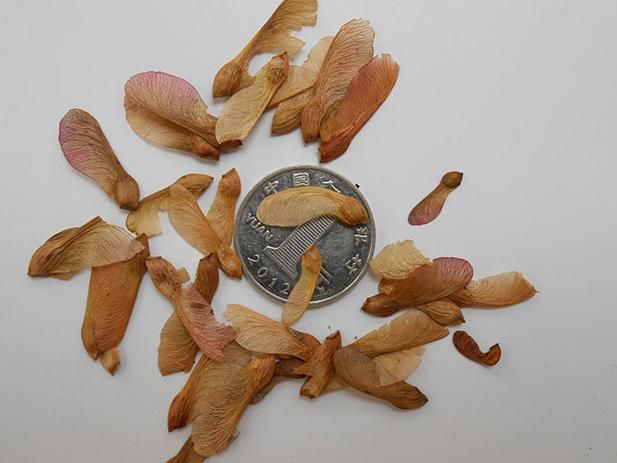
Five plus five plus five woody plants, a woody plant of precious medicinal value, have traditionally been a treasure of medicine in our country and are well known at home and abroad. From time immemorial, it was said, “five plus one, not the gold and jade,” that its roots, roots and leaves could be drugged. It is widely used clinically for decomposition, diabetes, arterial sclerosis, rheumatism, rheumatism, cardiovascular disease, and as a preventive drug of strength and nutrition, with a ginative “back-to-back” effect and the function of patching up lean, strong bones and strong will, and of high value. The market for pharmaceutical products and beverages, which are based on a five-and-a-half spike, is well received at home and abroad. As a uniquely effective medium-sized drug, the consumption of wild resources is increasing, with predatory, unplanned excavations for almost two decades ravaging the wild resources, exposing them to imminent danger and depletion. The five-and-a-half method of reproduction is non-existent (mainly in the form of adhesion) and sexual reproduction; it has a high reproductive coefficient and a strong nursery. However, “tiger shackles, which are difficult to see for 10 years”, and the low seed yield rate of five-plus stabbings, due to poor seed quality, long hibernation periods, low gestation rates and low seeding rates, is mainly due to the fact that, although the fruit has matured, the fertilized eggs need to form embryos under the appropriate strip to achieve biological maturity。
The content of the invention
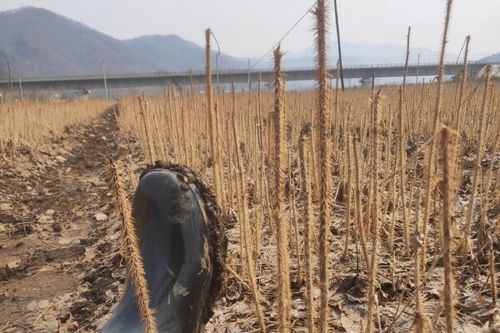
The purpose of this invention is to address the existing problem of low seed yield of the gill five plus seed, which offers a method of breeding five plus seed, which treats seeds with a growth rate of over 85 per cent。
The technological option used in this invention is the five-plus seed breeding method, which is characterized by the following steps: the process of mixing five-plus seeds with sand into incubators or beds by november with a thickness of 15-20 cm at 15°c ~ 17°c, low-temperature treatment at 15°c ~ 17°c, 30 to 40 days of seed sifting at low temperatures of 0-5°c and zero-30°c at low temperatures。
The above-mentioned seed and pre-treatment of river sanda, the treatment of the seed will impregnate five-plus seed with water for two to three days, shredding, water immersion, drifting, removing fruit hides, fruit meat, mags, and the selection of 300 times more venom after the drying of water;b, the sand treatment of the sand of the river will be sifted and disinfected with more than 800 ppm multim fungus water soluble; the seed to the sand ratio is 1:5 to 6。
This method also includes a growth control agent treatment at a 50 mg/l apricotol water spray breeding bed in the early stages of the process。
The above-mentioned treatment of the temperature layer is replaced by the treatment of the natural temperature layer in mid-june of each year by mixing the seed collected in the previous year with the processed sand in a ratio of 1:5 to 6 in a pre-prepared ditch of about 15 cm to 20 cm thick, covering between 4 and 5 cm of sand to keep light and wet, with natural winter treatment in natural conditions and seed sifting in mid-april。
The beneficial effect of the present invention is that, using the above-mentioned technology, temperature is a major factor influencing the post-precursion effects of the seed species and the gestation of the seed treatment, during the process of thawing the seed layer. The five-plus-temperature treatment model is used for the treatment of pyrophoric seeds, with a temperature of > 15°c during the high temperature period, with a temperature of about 100 days, cumulative temperature of 1,600 - 1700°c, low temperature treatment after seed embryo formation, 0 - 5°c low temperature (0 - 5°c) the 30 to 40-day stratification process is the most effective, with a growth rate of over 85 per cent。
This invention is further illustrated below by the specific implementation approach, which includes the following steps to process the five-plus seed breeder: (i) the in-house handling of winter treatment can take place under indoor conditions, and by november the five-plus seed and sand treated will be mixed at 1:5 or 1:6 and then placed in incubators or incubators with a thickness of 15 cm (18 cm, 20 cm), a temperature of 100 days at 15 °c (16 °c, 17 °c), a cumulative temperature of 1,600 - 1700°c, and a temperature of 1,600 - 1700°c, which is required for seed seed seed production to occur in mid-february of the following year. The cryogenic approach sifts the seeds out at 0-5°c. 30 to 40 days during the cold period, with a growth rate of over 85 per cent. The treated seeds can be planted directly。
(2) outdoor treatment, which in mid-june of each year mixes the seed collected in the previous year with the processed sand in a ratio of 1:5 or 1:6 in a pre-prepared ditch, is about 15 cm thick, covered by 4 cm or 5 cm of sand, humid, bred in natural conditions, with a cumulative temperature of 1,600 to 1700°c before the winter, embryos mature, embryos develop to close to breast milk hours, and conditions for germination. Natural out-of-door winters are strewn under natural conditions, and it is observed that seeds were sifted out for seed in mid-april, with safe, impregnable, easy to travel and high growth rates。
Table 1
Temperature is treated using the high-temperature-low-temperature-high-temperature treatment mode, with t1 to t5 representing high-temperature treatment cumulative temperatures of 1000 ~ 1200 °c, 1200 ~ 1400 ~ 1600 °c, 1,600 ~ 1800 °c, 1800 ~ 2000 °c; p representing low-temperature treatment of 0. 5 °c, with p1 to p5 representing 10, 20, 30, 40 and 50 days respectively. High-temperature, low-temperature-high-temperature transitions are gradually transitioned at an average of 2°c per day, with the latter processing occurring 10 days after natural warming and temperature control in controlled refrigerators and artificial climate rooms。
Table 2 effects of different temperature treatments on the stinging rate of five plus seeds
Pre-treatment of seeds and river sands for higher chromosomal growth is best done prior to the treatment of seeds by pre-treatment of seeds with naturally dry five-and-a-half sting seeds from wild thorns (and five-a-half sting seeds from wild thorns) collected, with water immersed for two or three days, in a knitting bag, with water immersed to remove fruit peels, fruit meat, mackerel, and with water immersed to remove 300 times more saturated saps from the leaching water; and sifling of river sands, with more than 800 ppm of more than aquarium of water. The ratio of seeds to river sand is generally 1:5 or 1:6。
One of the success factors in the treatment of the fertilizing layer was a significant increase in the bulging rate of five-plus seeds treated with plant growth regulaters, with a concentration of 50 mg/l cactinin (ga3) aqueous solution breeding beds at the beginning of the process。
Table 3 effects of different plant growth regulator treatment combinations on sprawl plus seed sprouts (%)
In addition, treatment with low concentrations (50 ppm ga3 seed surface sprayed and immersed) of low cactinated seeds, which are treated in a modulated layer, can effectively contribute to the growth and extension of buds. However, concentrations should not be too high, otherwise they could lead to too thin a root and less reversible seedlings, which would be detrimental to breeding。
The long hibernation period of the five-plus seeds is the cystic ovulation of the eggs after the five-plus fertilized fertilized eggs are ripe. Deep in the breast, the pneumatic wall of the emulsion is sedated by fatty material, constituting an impermeable layer. Be able to isolate or buffer water access. The fertilized eggs only begin to develop when the fruit is dark and ripe. Stab plus sexual reproduction is an easy and effective method with high fertility rates. However, under natural conditions due to embryonic development constraints, it is rare to see five thorns plus natural seedlings. The use of appropriate thermostatic concentrations to treat temperature conditions can contribute significantly to the re-corresification of the pneumatic five-plus seeds, accelerate the development of embryos and increase the growth rate。
The conventional method of breaking up the saturation of seeds is the treatment of the corrosive mass of sand to be ready for direct planting after physiology, which has been unsuccessful in the treatment of the five-plus stings, with very low seeding rates and only 5-10 per cent of the sprouts and seedlings after treatment, which are difficult to apply in production. In response to this study, the thermogenic layer was treated by treating the seeds with plant growth regulators, mixed with seed sand in a scale of 1:3 to 5。
The development of seed embryos is regularly observed during the procession process, the embryos are not fully developed and do not see the embryo at the time of the harvest, they need to be matured after the process has been completed, the seed embryos are gradually formed during the stratification period, and the embryos mature as they grow to near-embracing hours, and the basic conditions for their growth are met by spring treatment at low temperatures. A series of changes occurred in the seed after the five-plus and then-cooking process, of which the formation of the sugar particles is the main one, which is necessary for the seed to develop and which is directly related to cyclical changes in temperature。
Claims
1. A five-plus seed breeding method, characterized by the following steps of thawing the layer of treatment, which will be mixed with sand in incubators or beds by november with 15 to 20 cm thick, 100 to 120 days at 15 °c ~ 17 °c and 30 to 40 days at low temperatures of 0 to 5 °c by mid-february of the following year。
2. The five-plus seed breeding method described in claim 1 is characterized by pre-treatment of seeds and river sand prior to the treatment of the temperature layera; seed treatment will impregnate five-plus seeds with water for two to three days, shredding, water bathing and drifting, removing fruit peels, fruit meats, tarmacs and selecting 300 times the full saturated seed multimocerobic silt;b, sifling of river sands and disinfection with 800 ppm multim fungus water solution。
3. The five-plus seed breeding method described in claim 2 is also characterized by a growth control agent treatment with a 50 mg/l chromosomal water spray breeding bed at a concentration of 50 mg/l at the beginning of the process。
4. The five-plus seed breeding method described in claim 1 is characterized by the substitution of the thermogenic layer by the following method for the treatment of seeds collected in the previous year in mid-june of each year, after having been mixed with the processed river sand in a 15 to 6 ratio, into a pre-prepared ditch of about 15 cm to 20 cm thick, covering a 4 to 5 cm river sand-shield humidity, with natural out-of-house thaw treatment in natural conditions, and seed sifting out for planting in mid-april。
Summary of text
This invention involves a five-plus seed breeding method. The purpose of this invention is to address the technical difficulties of low seed-generation rates in the current technology. The features of this approach are the following steps of temperature-to-temperature treatment; indoor treatment; mixing of five-plus seeds with sand into incubators or incubators by 1⁄5 to 6°c by november, 15-20 cm thick, raising 100 to 120 days at 15°c ~ 17°c, low temperature treatment in mid-february of the following year, with seed sifting up at 30 to 40 days below low temperatures of 0-5°c, without fear of freezing at 0-30°c during cold. The seed sprout rate of the method was over 85 per cent。
Document no. A01g7/00gk1806485sq20061003940
Date of application 23 january 2006 priority date 23 january 2006
The inventor of the river, kogyugang, zhang mei-ping, ma gwang-hwan, wang xian hong, berisha