Zhou hong-buk, a reporter for the daily light. East
“where all the money is spent, right? We can't worry about this neighborhood management." in recent days, wang wen, a resident of the southern gang community in the district of sichuan chengdu, xinjin province, has been operating his mobile phone. Only a few minutes later, he was able to extract information from the current month's sub-district property fees, public revenue receipts and expenditure records, and the progress of greening conservation projects。
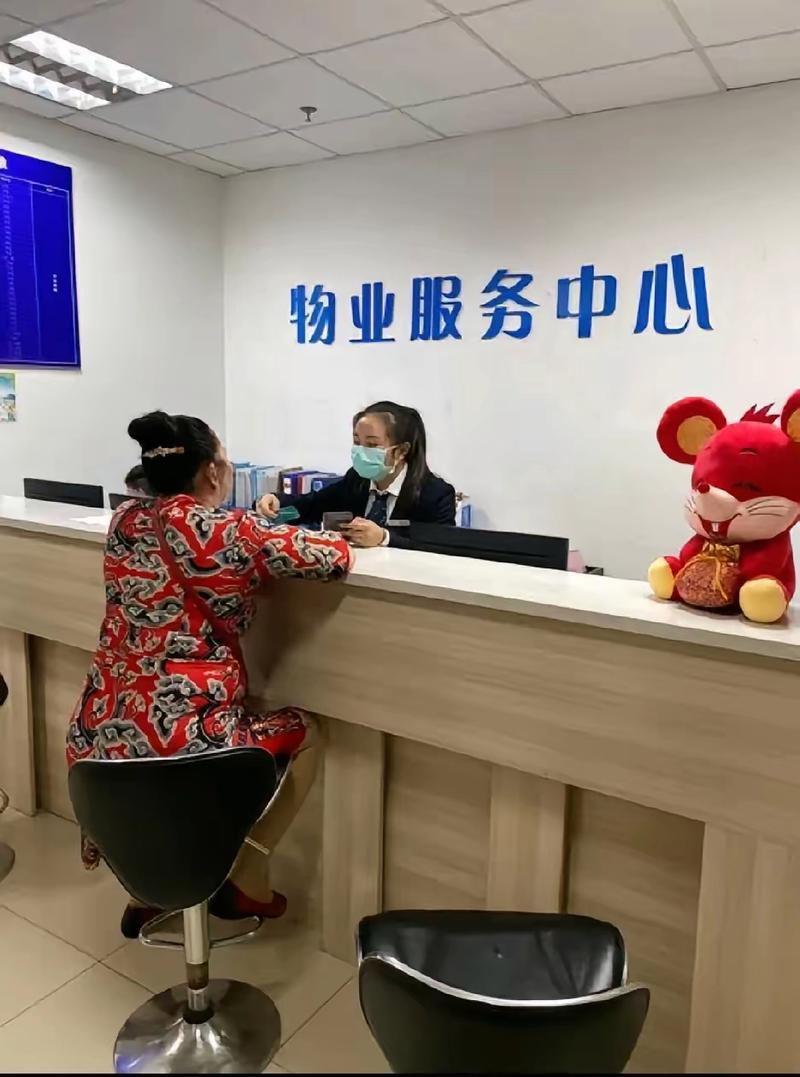
"don't worry" is wang wen's endorsement of small district management. However, it was also previously caught in a vicious circle of “owners refusing to pay—incorporate services” because of a crisis of trust. The secretary of the district party, chen yubin, said: “our neighbourhood is an earlier commercial settlement in shinjin, where property fees were previously collected by property companies and public revenues were often a mess. If they are dissatisfied with property services, they refuse to pay property fees. Property reduces the quality of services by reducing income.”
The switch began with a completely new governance model for the sub-region, the “trust” property. The revenue from the existing water and water complexes, such as property, parking and advertising fees, is part of the “trust fund” shared by all owners, with the property company acting as a “supervisor” receiving an agreed percentage of the fee, with the remainder being used for the services of the district. All accounts are made publicly available to all owners, and every financial flow and service performance is available for real-time searching and full-time monitoring on mobile phones。
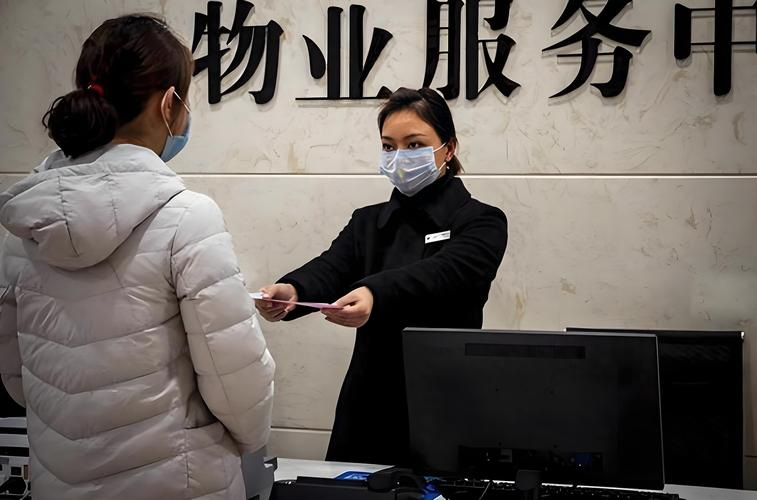
"you don't pay, you can see it on the platform, and you have comparisons and supervision between your neighbours." chen yubin said that the introduction of “trust” properties had resulted in a collection rate of more than 99 per cent, as well as in the satisfaction of owners, which had resulted in a win-win situation for residents and property。
Trust is built, and there is dynamism. Under the leadership of the party's sub-units, the residents have agreed on a convention for the integration of communities, which will translate “uniting together and helping one another” into self-conscious behaviour. They have not only made voluntary contributions to create community support for sharing fish pools, kits, etc., but have also set up volunteer teams to undertake environmental health monitoring and neighbourhood dispute mediation。
“the vitality of the `trust' property is that it reshapes the structure of governance in the community.” the relevant head of the social work department of the shinzin district council said that the traditional model of property management, in which owners and property were simply trading and selling services, was a “trust” system that transformed the two parties into “trust-trusted-trusted” relationships, property companies from managers to executives, owners from passive service providers to active family members, and promoted community-based management of the “single fights” of property enterprises, leading to a concerted and participatory approach。
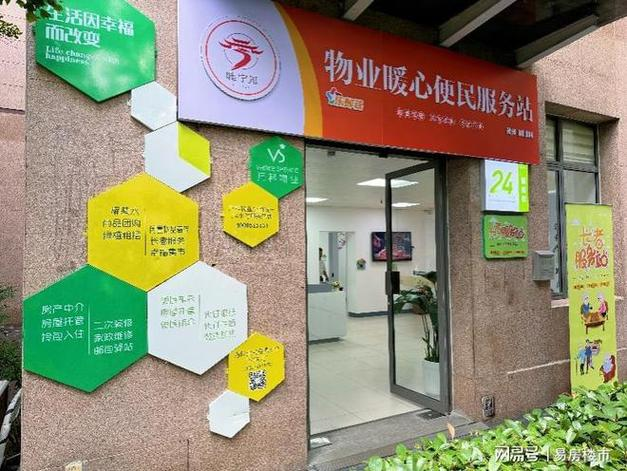
To date, 53 different types of sub-districts have landed in “trust-based” properties in the region, creating a good trend for classification governance and global advancement. In the psing street five community, the west creative commons complex was set up through a trust-based platform to open a “two-coded” co-management account to run the first year's balance management fund of $437,000; in the village of bor, hingyi town, long-standing problems of property management and contribution payments were solved. Next, shinjin plans to pilot “trust-based” properties in more districts to promote grass-roots governance and shared governance。
The daily light (03st edition, 01/02, 2026)