The news client, the pen, the morning-shower
Guess how much it costs to send a bottle of $1 or 2 mineral water into space to the astronauts on the station
The answer is - 70,000 yuan
This is an impressive set of statistics: an astronaut eats a 125-gram apple at a cost of rmb 17,000; transports a kilo of food into space at a cost of more than rmb 140,000... Counts the staple food and a meal of 450,000。
According to nasa estimates, the cost of delivering food to the moon and mars is at least several times higher。
Building homes on the moon and even mars is the dream of all humankind. My country has officially proposed the establishment of a manned moon before and after 2028, an international moon research station to be used as a springboard to carry out a manned fire and to establish a mars base. The united states has also proposed the artemis plan to return to the moon. And just on 24, mask announced ambitiously that the manned mars mission with a new generation of heavy carrier rockets, starships, was expected to take place in four years。
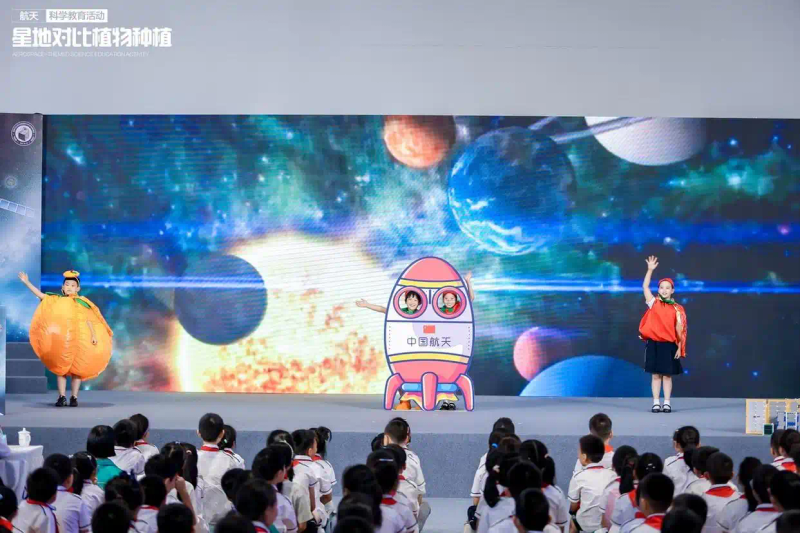
The scene by zheji's junior high school student, space seeds: miracles in the garden. Interviewee for map
How to solve the problem of eating by preventing the earth's people from becoming “multi-planet species” number one, you might not think。
At the current level of technology, oxygen and water needed for human-to-fire transport and for the survival of mars astronauts can be largely addressed through physical rehabilitation techniques. The biggest problem was the availability of food, which was impossible to carry because of the limited capacity of space transportation. We can't afford to carry it by force。
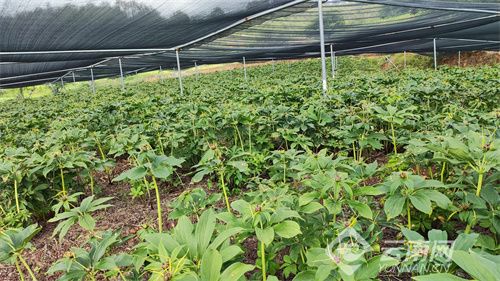
In order to enable humankind to move away from home and achieve deep human space detection, we have sent plant seeds to space and, in the harsh environment of outer space, have studied how to enable it to grow efficiently, flower and produce, thus achieving the technology of the whole planting process。
And a group of zhejiang primary school students were very fortunate to be involved in this “historic” scientific process, which concerns the future destiny of humanity。
The primary school students tested how to plant food on the moon
This is probably the world's best science class in primary school。
On 23 september, the launch of the space science education campaign “stellar contrast plant cultivation” was held at the second primary school attached to zhejiang university, the educational consortium, in hangzhou city. In this experiment, young friends can move their labs into a near-earth orbit 520 km above our heads, comparing the size of the tomato species in the satellite to the difference on earth。
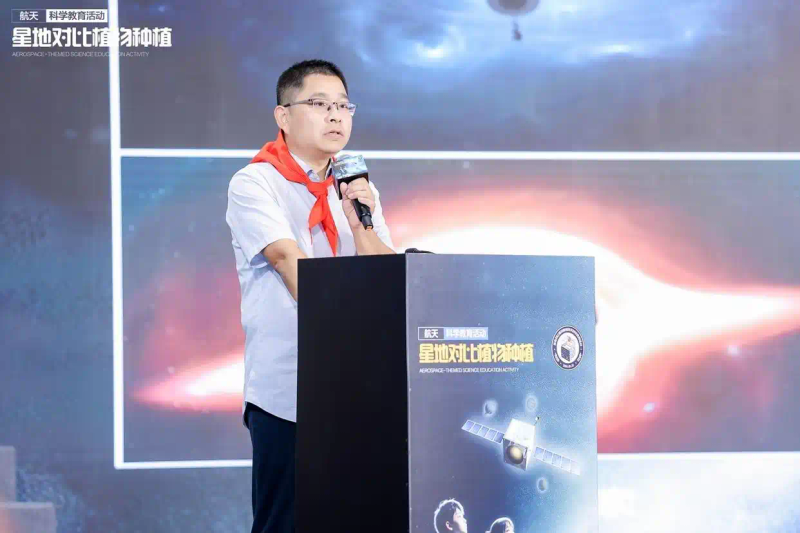
A message was delivered by wang hyequan, the sponsor of starlization plant cultivation. Interviewee for map
The public-interest space science education campaign, which is based on the scientific experimental satellite developed by zheji, is designed to plant tomatoes throughout their life cycle on stars. The event was directed by the provincial science and technology association and co-sponsored by the institute of aeronautics and space of the university of zhejiang, the institute of advanced technology of zhejiang, the association of zhejiang science and technology and the guangzhou city education group。
“don't look at the 25 kg of the bodyweight zone of the experimental satellite, where plant growing units are fully equipped with automatic watering, high temperature moisture control, light-light regulation, etc.”. As the sponsor of the event, wang huiquan, professor, zhejiang university school of aeronautics and space, and deputy director of the zheda microsatellite research centre, presented to the tide journalists, the satellite cameras recorded plant growth and transmitted back to the ground, the small children's friends were on the ground synchronizing tomato cultivation, recording plant growth through cameras, recording parameters such as humidity, light, temperature, etc., two to three times a week, and uploading data and plant photographs to a designated website to complete the cards。
It is known that the experiment was signed up by teams of two to three children, that on-line responses began on 10 october and that the selection was completed in early november. It is expected that the satellite will be launched in january 2025, at which time a number of teams will be selected to travel to the liquor spring satellite launch centre to observe the launch of rockets in situ. The event will continue until the end of june next year。
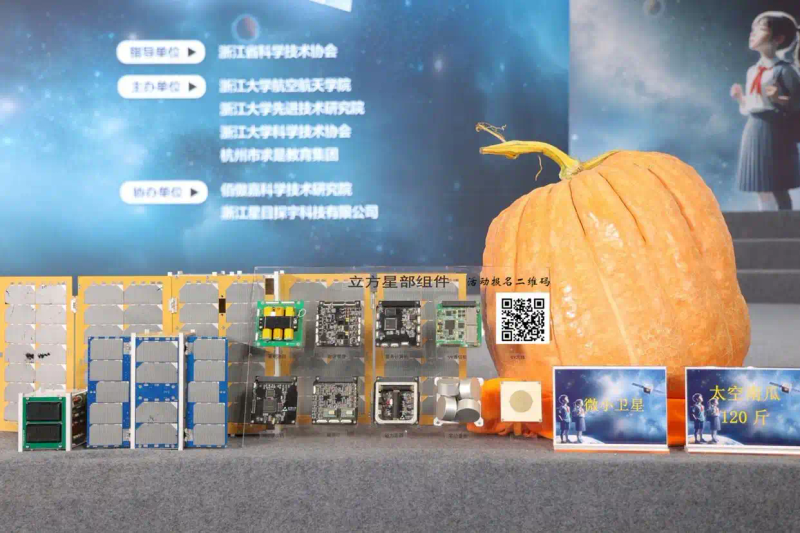
Large pumpkins on the stage and a cubic-star component in comparison to this planet. Interviewee for map
At the start-up ceremony, on the most visible point, near space, where about 120 pounds of large pumpkins are grown, tide journalists have seen devices for the full life cycle of plants, which are so small that they can be implemented automatically。
“data obtained by primary school students will be part of scientific data, and comparative analysis will lead to the identification of core factors affecting tomato cultivation, thereby increasing the efficiency of space cultivation.” wang huiquan emphasized that “if this technology is successful, it can be used directly for experiments at future moon stations and even mars bases”
In other words, the new varieties of tomatoes produced by zhejiang children in satellites could one day be taken to the moon research station or mars base。
According to wang huiquan, if this test is successful, the next step is to put the satellite in orbit around the moon and try to plant it near the moon。
Let the astronaut say good-bye to dark food
Eating is no doubt a major event for the astronauts who live in the sky palace。
In the past mid-autumn festival, in addition to tastes of the lilies' “space moon cakes” in china's space station, the skull 18 crew shared spicy lamb, potato beef, red-coloured pork chops, milky chicken, horse-to-shoe rice cakes, etc., which are personalized “mid-autumn dinners” prepared in advance for each astronaut's taste。
Today's space food is not only very varied, but also “heavy”。
It's not because astronauts eat, it's because people have a physical reaction called "charlie brown effect" in a weightless environment for a long time. - nasal plugs, no taste in the mouth, a sense of smell and a sense of taste have become retarded, affecting appetite。
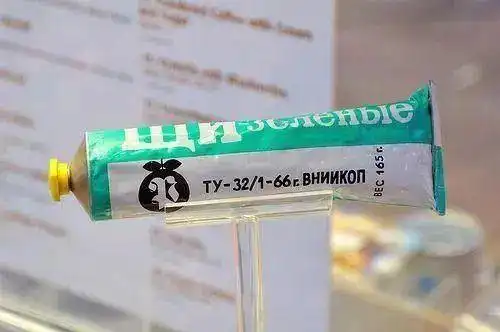
First-generation toothpaste food. Source: news watch
A rich variety of food can stimulate appetite to increase food intake. Chinese astronauts eat a variety of sauces, such as sauna sauce, fork sauce, seafood sauce, etc。
It is a basic fact that, 63 years after humans had been in space, space food is almost entirely supplied on the ground. This means that space food is largely alien to the word “fresh”。
Tide journalists went through the astronaut food rations standards and found that each person's daily food provided between 2,000 and 3,000 calories of heat, requiring nutrients, delicious tastes, diverse varieties, small sizes, light weights, easy absorption, and small residues。
On the first space trip on 12 april 1961, the space meal of yuri gagarin, the “first man in space”, was packed in over 60 toothpaste tubes, each containing between 140 and 160 grams of mash, condensed borscht or chocolate sauce. Feeding is a way of “squeezing toothpaste”, which neither affects flight equipment nor allows for good food absorption。
After the toothpaste food, researchers have developed a souffle food, which compresses solid food into small square cakes, one at a time to prevent slags and drifting around。
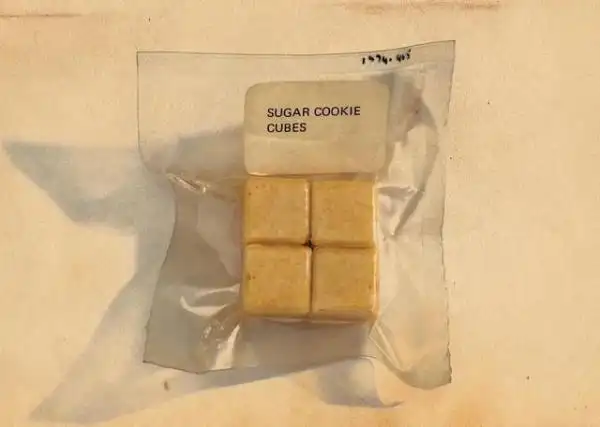
Eat space food. Source: news watch
However, these first-generation space foods, in the eyes of astronauts, are simply “dark food” and are too difficult to eat. In august 1961, germán titov, the “second man in space”, ate toothpaste food three times during a 25-hour flight and was still very hungry when he returned to earth, because much more heat was consumed in space than on earth。
The former editor-in-chief of the shanghai post told reporters that “the astronauts of the american apollo ship think eating these things is like chewing wax, making three meals a burden and making them sick.”
Hard-to-eat space foods affect the work mood and physical well-being of astronauts and are highly valued by scientists. They have been shown by extensive ground tests to be able to eat with spoons and forks, under conditions of weightlessness, with sticky sauce, soup, juice, and rinded dishes, meat, fish, etc. As a result, fried steaks, cow tongues, meatloaf, chicken willows, red soup and black bread were added to the space recipe。
However, the word “fresh” is still lacking in space food, especially fresh vegetables and fruits and meat。
China's scientific research and training centre for astronauts has indicated that, with a view to future deep-space exploration missions, our country has set up a study on key technologies for cooking on-orbit and new food innovations for off-site survival, providing basic guarantees for long-term off-site survival。
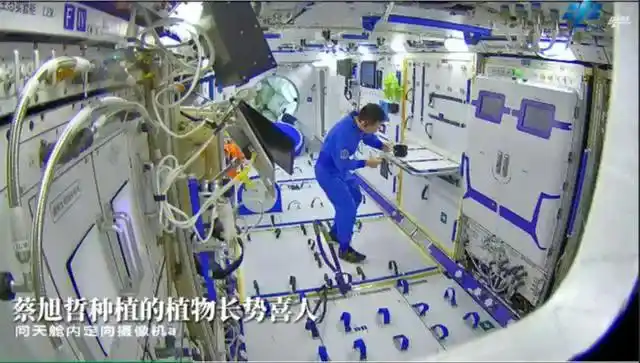
Figure source: china human space micro-intelligence
The production of fresh food products is also on the research agenda, since it may be possible to open fire in manned space stations. Space breeding, which is an important component of space agriculture, is the direct planting and farming of agricultural products on spacecraft or on extraterrestrial planets, providing astronauts with good food。
At the end of 2022, the china space station entered the application and development phase. So far, the life-ecological trials container loaded in the sky experiment module has completed a life-cycle culture experiment on rice and mustard mustard in the space environment, obtaining rice seeds for the first time in orbit internationally. In june and august last year, the two space-planting units of the station were launched, the first of which carried out a test test for the cultivation of raw vegetables and the second for the cultivation of cherry tomatoes and onions。
“the space environment, with cosmic radiation and microgravity, can have effects on plant dna genetic material and can potentially alter it. Once back on the ground, researchers screen some of the variations that people need, such as increased production and/or better quality, which is the breeding of space and a major advantage of chinese space.” on the occasion of the event, guo zheng, a former researcher at the china aerospace center for scientific training and research, told tide journalists that some of the vegetables in space would be equally delicious, such as space sweet peppers, which could be eaten directly, tasted sweetly and tasted softly, and sweet potatoes obtained from space seeded with sweet tastes, watered feet and tastes like high-quality fruit, ready to eat incense, soft and sweet。
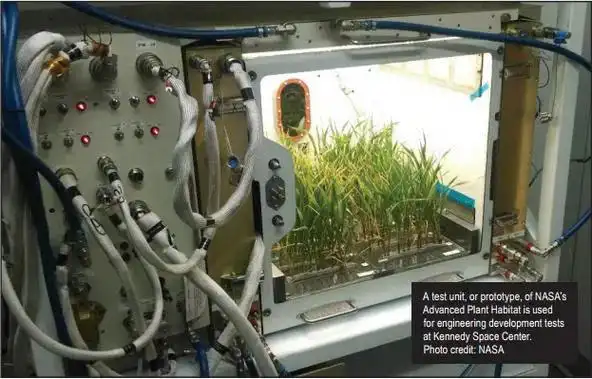
Source: nasa official network
According to statistics, vegetables obtained through space breeding are usually more than twice as rich in vitamins as conventional vegetables, and trace elemental content of benefit to humans is increased by 7. 3 per cent for iron, 21. 9 per cent for zinc, 26. 5 per cent for copper, 21. 9 per cent for phosphorus, 13. 1 per cent for manganese and 5. 88 per cent for carrot. The levels of lysine, copper, manganese, potassium and zinc in space may be 3-8 times higher than in the general sweet potatoes, especially iodine and selenium, which are resistant to cancer, more than 20 times higher than in other sweet potatoes。
So, we're going to think about going to the moon and mars。
The future of mars lives like this
At the current level of technology, human beings are not excluded from the moon or mars, and the key question is how to achieve a lasting supply of food, oxygen and water for the entire mission cycle of travel, presence and return。
It is widely accepted at the international level that the fundamental way to address this problem is through the establishment of a controlled ecological life support system (co) appropriate to itI'm not sure what i'm talking about。
Dr. Guo bisheng is the country's pioneer in the field of celss technology. He has hosted the construction of various experiments since the 1990s and has organized several multi-day system integration experiments, which have resulted in a number of critical technical challenges。
“assuming that the number of crews performing the mars mission is four, with a flight time of 500 days, a minimum of 1. 24 tons of food, 1. 66 tons of oxygen and 8. 12 tons of drinking water will be required throughout the flight.” guo bisheng revealed that this is also the minimum standard for the survival of astronauts without bathing or washing their clothes throughout the mission. To meet these needs, only a self-sufficient and controlled ecological survival system can be established。
Celss is a closed micro-cycling system built artificially based on the environmental characteristics of the surface of planets such as the moon or mars, which uses plant light cooperation as a starting point for rational, efficient and manageable combinations and application of the relationships between “producer (vegetation)”, “consumer (human/animal)” and “decompositioner (microorganisms)” to achieve the reuse of limited resources, and is a life-support system for a closed, basic self-sufficiency and autonomous material cycle。
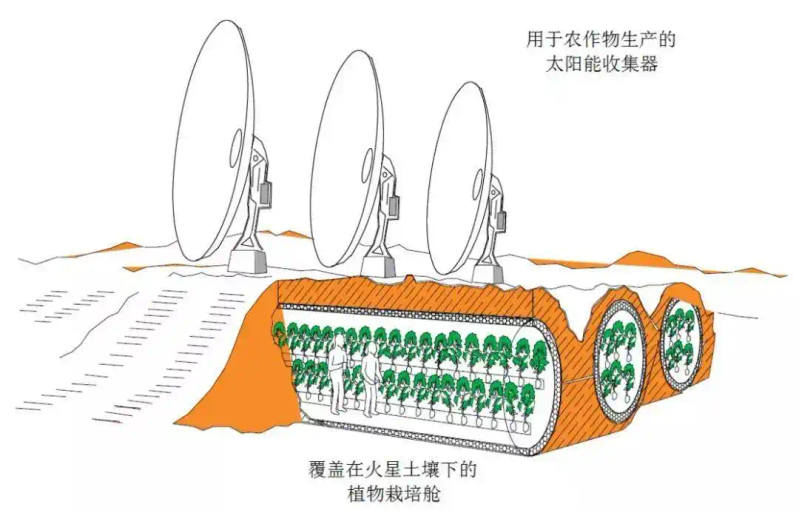
The mars base's controlled eco-survival scenario. Figure source: space-controlled eco-life support technology (ed. By guo jiu)
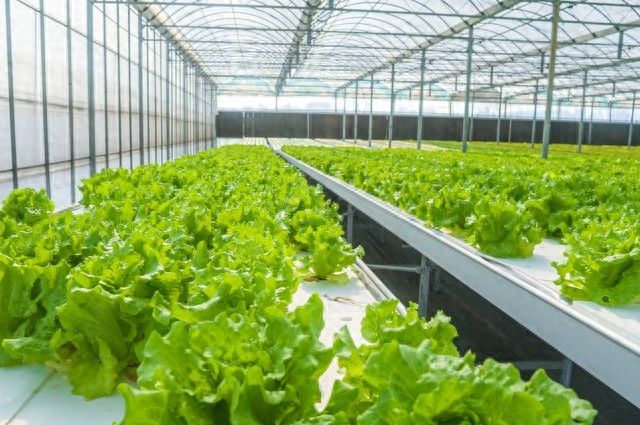
“at present, 80 per cent of oxygen and water can be recovered within the station. Recovering cold condensed water, even urine, from human outbursts and sweating, and bringing out a small fraction of it for plant cultivation.” guo zheng said to tide journalists, in terms of vegetable varieties, considering how astronauts can eat easily does not need to cook." emphasis is placed on the development of salad-type vegetables, such as lettuce, cabbage, barley, cabbage, tomatoes and peppers, which can be eaten, and on the development of strawberries. Large future stations, even the moon and mars bases, are expected to grow large areas of food and oil crops such as wheat, rice, soybeans, peas and peanuts.”
Guo's twin students have been studying moon farms and mars farms for many years. “in outer space, we not only plant, but also breed animals, including small milk pigs, meat/egg chickens, quail, as well as fish, all characterized by small heads, fast-growing sizes, large numbers of meat-producing eggs and more food than we can eat — what we call the harvest index. Also, candidate animals can't smell too much. In the future, food fungi such as mushrooms and microalgae such as spirulina and small algae shall be cultivated to ensure the diversity and balance of nutrition.”
Astronauts who returned to the earth told guo that when a small, closed space station full of metal and plastics appeared, he/she was satisfied with the oil and felt a feeling of return to the earth, and felt more happy at once。
You see, humans are the children of the earth. No matter how far away the child is from home, she still lives in love with her mother and home。